
Ingredients & Spices · The complete guide
Icing sugar
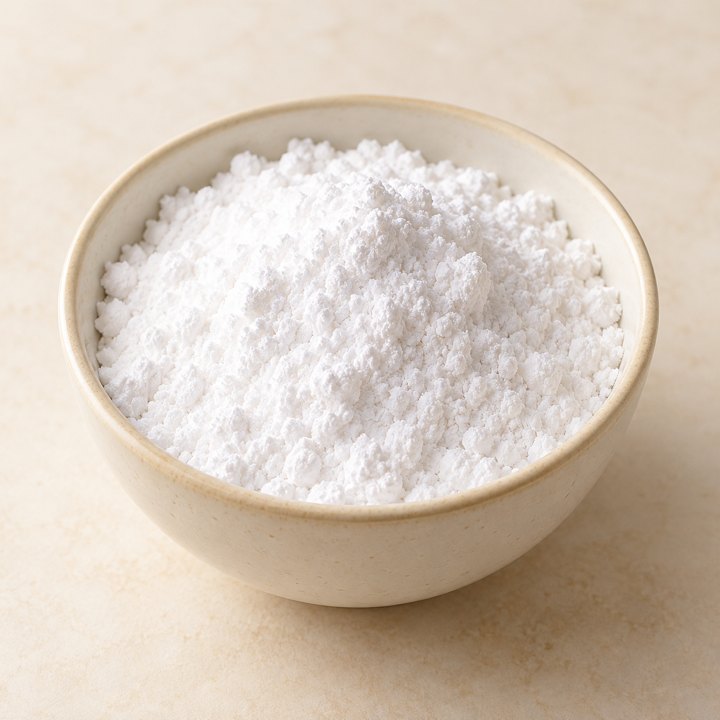
Icing sugar is very finely ground sugar, also called powdered or confectioners’ sugar. Pakistani bakers usually use the English name.
What it is and local names
Icing sugar is very finely ground sugar, also called powdered or confectioners’ sugar. Pakistani bakers usually use the English name. Many commercial versions include a little starch to reduce clumping; it is not the same grain size as caster sugar.
Origins and documented history
It developed from sugar refining, milling and confectionery techniques rather than from a new sugar crop. Mechanical milling made consistently fine powder easier to obtain. A single inventor cannot be assigned to every powdered-sugar preparation.
Reference: USDA ARS: History of sugar and sweeteners.
Types and manufacture
Refined sugar is milled and commonly blended with an anticaking starch. Some products are pure milled sugar; others contain maize or another starch. Snow or non-melting dusting sugars are specially formulated products and may behave differently from ordinary icing sugar.
Production, trade and Pakistan
It is milled in many countries from cane or beet sugar. Pakistan’s sugar industry provides base sugar, while specialized baking brands may be imported. Check local packs for the carrier and specification rather than assuming every white powder is identical.
How to use it
Sift before making a smooth glaze, buttercream or fine sweet mixture. In cham cham or pinni, follow the recipe’s intended texture rather than adding a coarse sugar that may remain gritty. A decorative dusting can dissolve rapidly on a wet dessert.
Nutrition, benefits and limits
Its fine texture does not reduce its sugar content. Small amounts of starch are for handling rather than a meaningful fibre contribution. A light-looking dusting can still add sweetness, so include it in the complete dessert.
Drawbacks, allergens and precautions
Avoid breathing the powder cloud while sifting. Check the starch source for a relevant dietary need. Humidity creates lumps, and wet contamination can support spoilage; do not store a damp spoon in the bag.
Substitutions and storage
Finely grind ordinary sugar for some home uses, then sieve, recognizing a household grinder may not achieve commercial fineness. Caster sugar cannot replace icing sugar in a no-cook glaze without a texture change. Special dusting sugar is preferable where a lasting white finish is required.
Keep tightly sealed and completely dry. Sift minor dry lumps just before use. Discard mouldy, insect-contaminated or damp stock rather than trying to rescue it by drying.
What sugar does in a recipe
Sweetness is only one job of a sugar ingredient. Dissolved sugar binds some of the available water, changes the freezing behaviour of desserts and affects the tenderness of baked goods. Its concentration also determines whether a syrup stays pourable, coats a spoon or sets into a confection. These functions explain why replacing a measured sugar ingredient with a few drops of an intense sweetener rarely gives the same result. Work by weight when consistency matters, especially for sweets in which small changes in water content alter the final texture.
Controlling syrup and browning
Dissolve crystals over moderate heat before a syrup reaches a vigorous boil. For a smooth confection, avoid scraping dry crystals from the upper wall of the pan back into the liquid. If a recipe calls for caramel, use a pan that lets you see the colour clearly and take it off the heat before the residual heat makes it bitter. Hot concentrated sugar sticks to skin and causes serious burns. Cool a sample on a plate before tasting; never put a finger into boiling syrup to test its thread.
Benefits, limits and buying checks
A familiar sweetener can make a small serving of plain food enjoyable and can preserve a traditional flavour, but that is different from a medical benefit. Brown colour, a rustic appearance or a plant-based origin does not make a sugar ingredient suitable for unrestricted use. Trace minerals do not cancel its sugar content. Compare products by the ingredient list, the serving size and the function needed in the recipe. Buy clean, food-grade stock with intact packaging; dampness, insects and unidentifiable loose additives are reasons to choose another pack.
Weighing and replacing a sweetener
A tightly packed moist sugar and a loose dry sugar can have very different weights in the same cup. Break up lumps before weighing and follow whether a recipe specifies packed, sifted or granulated sugar. Replacing a dry sugar with a liquid sweetener adds water, so it can change baking time, spread and setting. Replacing a syrup with crystals removes water and may leave undissolved grains. For a casual drink, adjustment by taste is reasonable; for a pulled sweet, meringue or brittle, use a tested formula designed for that particular sweetener.
Recipes and the Pakistani pantry
Use this ingredient in Cham Cham, Pinni. Explore related ingredients in the Pakistani ingredients and spices pantry.
Names and forms used in our recipes
View the recipe names covered by this guide
- icing sugar
- powdered sugar
Frequently Asked Questions
What should I check when buying icing sugar?
Check that the powder is icing sugar and identify any starch carrier. Special non-melting dusting sugar behaves differently.
What can replace icing sugar in a recipe?
Finely grind ordinary sugar for some home uses, then sieve, recognizing a household grinder may not achieve commercial fineness. Caster sugar cannot replace icing sugar in a no-cook glaze without a texture change.
How should icing sugar be stored?
Keep tightly sealed and completely dry. Sift minor dry lumps just before use.
Keep Exploring
Related places and stories on DailyLife.pk

How we know this
- Type Explainer
- Sources 4 (3 official/academic)
- Reviewed November 2026
- Disputed points None
