
Ingredients & Spices · The complete guide
Halal hot dogs
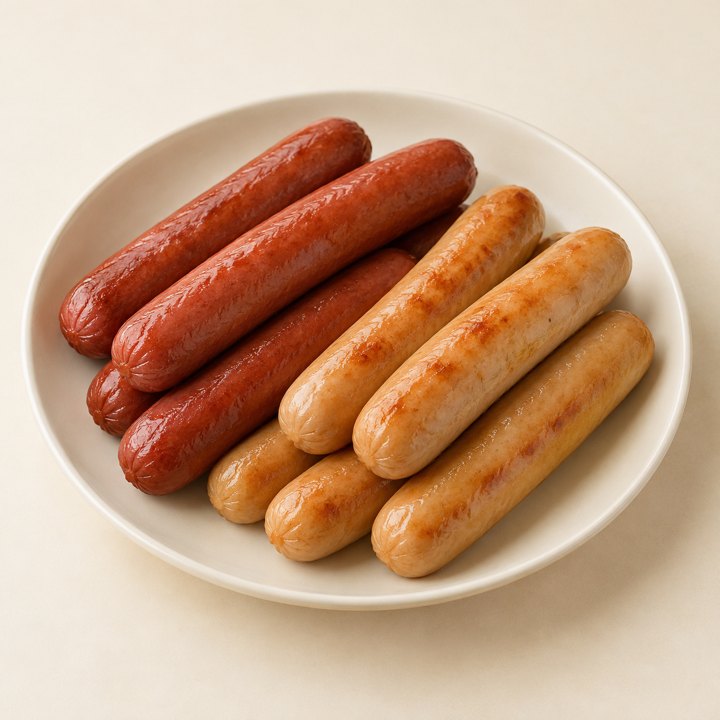
Halal hot dogs are seasoned sausages made from permitted meat, often chicken or beef, in a suitable casing. The halal description does not establish whether a particular product is fully cooked.
What it is and what to ask for
Halal hot dogs are seasoned sausages made from permitted meat, often chicken or beef, in a suitable casing. The halal description does not establish whether a particular product is fully cooked.
Check the meat species, casing, certification, storage directions and added allergens such as milk, soy or wheat. Keep the pack's opening date so leftovers are not treated like unopened stock.
History, production and the Pakistan context
Hot dogs developed from European sausage traditions and later industrial frankfurter production. Halal formulations adapt meat sourcing, processing and ingredients to a specific dietary requirement.
Pakistan and many other countries manufacture halal sausages. Imported brands require a credible certification and an ingredient check rather than reliance on a familiar sausage shape.
How to use it successfully
Read whether the pack says fully cooked, ready to eat or raw. Heat according to those instructions; score only if the recipe calls for it, since deep cuts can release juices and split the casing.
A sausage can be smoked for flavour yet still require cooking. Preserve the pack's preparation instructions until the meal is made, particularly if transferring links into another container. For children's servings, cut into appropriate small pieces rather than serving coin-shaped rounds or a whole cylindrical link, which can pose a choking hazard.
Nutrition, benefits and limits
Hot dogs can contain appreciable sodium and fat; they are convenience foods rather than a superior protein source. Halal status concerns permitted production, not a guarantee of lower salt or lower disease risk.
Choosing a replacement
A halal chicken or beef sausage with similar size works if its cooking status is known. A plain cooked chicken strip makes a less processed filling with different seasoning.
When changing the cut, compare tenderness, fat, bone content and whether the meat will be chopped or kept whole. Preserve the recipe’s cooking logic rather than only its ingredient weight. A replacement can be successful without tasting identical, but its own safe cooking guidance must still be followed.
Safe handling and storage
Keep the original pack or a photograph of its cooking and storage directions. Ready-to-eat, fully cooked, smoked, cured and raw are different descriptions and cannot safely be inferred from colour. If a pack requires cooking, use the specified method and an appropriate thermometer rather than treating a brief warming step as sufficient.
After opening, follow the producer’s refrigerated-use limit and note the date. Use clean tongs or a clean knife rather than hands that have handled raw meat. Separate the product from raw poultry and meat preparation. Freezing may preserve quality for a later meal but will not make an improperly stored ready-to-eat food safe again.
People at increased risk of Listeria illness should follow current official advice for deli meats and hot dogs, including reheating as appropriate until steaming hot or to 74°C/165°F. Read the full label for ingredients beyond the named meat, particularly dairy, soy, wheat and flavourings. Compare sodium per comparable serving rather than assuming all turkey, chicken or halal processed meats are nutritionally alike.
Planning, portions and serving
A hot dog bun, sausage, sauce and toppings all contribute to the meal's salt and energy. Add crunchy vegetables and use sauces deliberately rather than assuming a poultry sausage makes the whole meal light. Keep raw sausages away from buns and salad until cooked if the product is not ready to eat. For children, consider texture and choking risk as well as portion size when choosing the shape of the cut pieces.
Recipes and pantry links
Use halal hot dogs according to the form specified in the linked recipe: raw versus cooked, bone-in versus boneless, sweetened versus plain, and the stated cut or processing style all affect the result. The ingredient discussion above explains which differences matter most here. Read the complete recipe before shopping, then measure the prepared usable quantity rather than assuming every package has the same yield.
For related ingredient names, local terminology and flavour pairings, browse the Pakistani ingredients and spices pantry guide.
Names and forms used in our recipes
View the recipe names covered by this guide
- fully cooked beef hot dogs
- halal fully cooked beef or chicken hot dogs
Frequently Asked Questions
Does smoked mean ready to eat?
No. Smoking can provide flavour without completing a safe cooking process. Check whether the pack says raw, fully cooked or ready to eat and follow its actual preparation instructions.
What should I check before buying halal hot dogs for these recipes?
Check the meat species, casing, certification, storage directions and added allergens such as milk, soy or wheat. Keep the pack's opening date so leftovers are not treated like unopened stock. Keep the recipe’s cut and prepared weight in mind, because changing them affects cooking and serving yield.
What is a practical substitute for halal hot dogs?
A halal chicken or beef sausage with similar size works if its cooking status is known. A plain cooked chicken strip makes a less processed filling with different seasoning. Make a small test where binding, melting or a delicate final texture is central, and adjust the recipe rather than treating different ingredients as identical.
Keep Exploring
Related places and stories on DailyLife.pk

How we know this
- Type Explainer
- Sources 7 (5 official/academic)
- Reviewed November 2026
- Disputed points None
