
Ingredients & Spices · The complete guide
Green tea
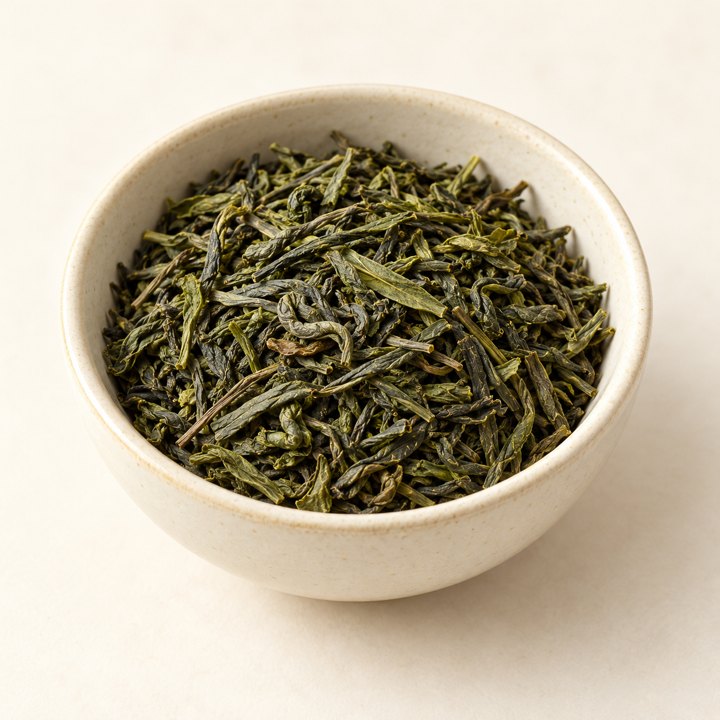
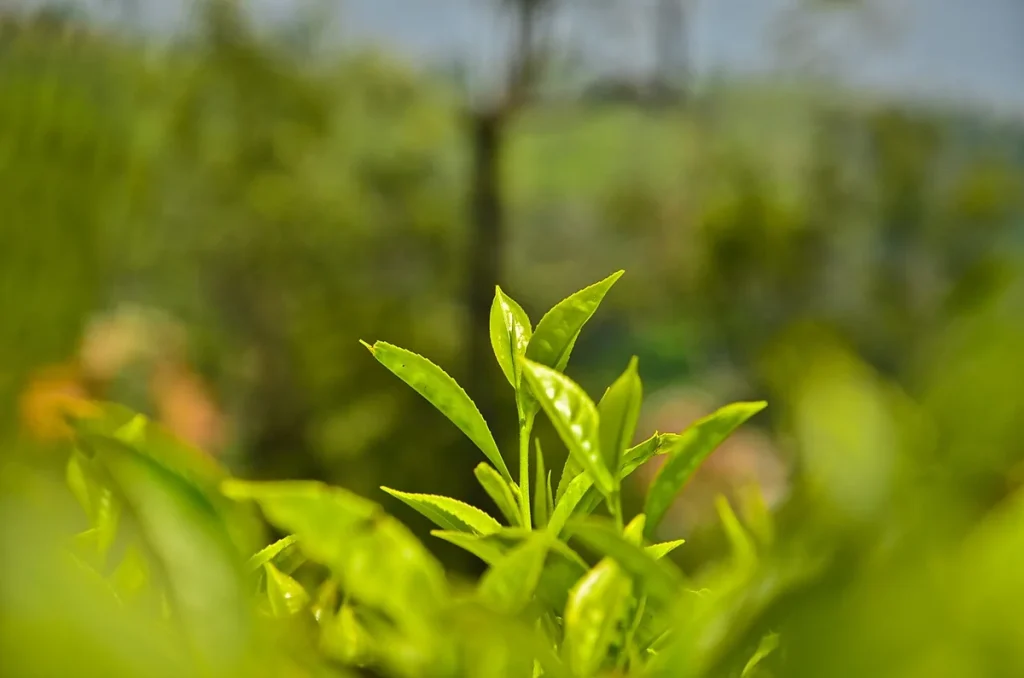
Green tea is Camellia sinensis leaf heated early in processing to limit oxidation. In Pakistan it may be called sabz chai, and its brewed preparations include qehwa or kahwa.
What it is and local names
Green tea is Camellia sinensis leaf heated early in processing to limit oxidation. In Pakistan it may be called sabz chai, and its brewed preparations include qehwa or kahwa. A cup called qehwa may also include spices, so the drink name alone does not identify the leaf.
Origins and documented history
Green tea belongs to the long history of tea processing in China and later traditions elsewhere in Asia. Different steaming and pan-heating methods developed over time. Legends about tea’s first discoverer are not a documented date for green-tea manufacture.
Reference: FAO: Tea, markets and trade.
Types and manufacture
Fresh leaf is heated, shaped and dried. Pan-fired, steamed, rolled and broken-leaf teas have different aromas and extraction rates. Matcha is a powdered tea used differently from ordinary loose leaf; flavoured tea may include flowers or other plants.
Production, trade and Pakistan
China and Japan are established producers, with other tea-growing countries making green tea too. Pakistan obtains tea through imports and retail blending. A pack marketed for Kashmiri chai or qehwa describes a culinary use rather than proving its cultivation origin.
Reference: FAO: Tea, markets and trade; World Bank WITS and UN Comtrade: Pakistan tea imports by country, 2022.
How to use it
For a clear qehwa, avoid an unnecessarily long boil that makes the drink harsh. Kashmiri chai uses a particular leaf and method, including controlled alkalinity and milk; do not expect every delicate green tea to reproduce the same colour.
Nutrition, benefits and limits
Unsweetened green tea has little energy and provides polyphenols. Research on extracts should not be transferred directly to a household cup. It is not a dependable weight-loss treatment, and the sugar added to a sweet tea remains relevant.
Drawbacks, allergens and precautions
It contains caffeine. Concentrated green-tea supplements have different risks from ordinary brewed tea, including reported liver injury and medicine interactions. People taking medication should not treat extracts as interchangeable with a beverage.
Substitutions and storage
Another suitable green tea may work with adjusted steeping. Black tea gives a different oxidized flavour and usually another colour. An herbal infusion may be enjoyable but is not equivalent when a recipe relies on tea-leaf chemistry.
Store dry, airtight and away from light and strong smells. Use fresh small packs for delicate aroma. Strain brewed tea and chill any milk-containing preparation promptly.
Brewing for the intended result
The same leaf can taste mild or aggressively bitter depending on the quantity, temperature and contact time. Measure the leaf and water for the first brew and adjust one variable on the next attempt. Small broken particles release flavour quickly; large rolled leaves generally open more slowly. Strain when the desired flavour develops rather than leaving wet leaves in the serving pot indefinitely. A stronger cup is better made with an appropriate dose than with uncontrolled boiling that loses delicate aromas and concentrates astringency.
Milk, spices and serving choices
For a milk tea, use a blend with enough body to remain noticeable after dilution. Whole spices release their flavour more slowly than powdered spices; simmering them separately for a short time gives better control over the final cup. Add sweetener after tasting whenever the recipe allows. In a clear tea, an oily or soapy vessel is immediately noticeable, so rinse the pot well. When a recipe relies on an alkaline reaction for colour, follow that recipe carefully instead of treating every tea leaf as interchangeable.
Benefits and realistic limits
Unsweetened tea can provide an enjoyable drink with little energy, and tea leaves contain polyphenols. This does not establish a reliable weight-loss or disease-treatment effect from a household cup. Tea contains caffeine unless it has been decaffeinated, and even decaffeinated products can retain a little. Very strong tea can bother a sensitive stomach, and drinking it with a meal may reduce absorption of non-haem iron. People advised to limit caffeine or separate tea from iron supplements should follow that individual guidance rather than counting all cups as identical.
Buying and keeping aromatic leaf
Buy enough leaf for a reasonable turnover rather than choosing a very large open bag solely for its price. Tea absorbs neighbouring odours, so a cupboard beside strong spices, detergent or perfume is unsuitable. Use a dry spoon and close the package before taking it near a boiling kettle. Moisture, visible mould or a stale musty smell are reasons to discard it. A labelled tea blend provides more useful information than a colour description alone: origin, leaf size, flavour additions and whether it is decaffeinated all help explain how it will behave in a recipe.
Recipes and the Pakistani pantry
Use this ingredient in Peshawari Qehwa, Kashmiri Chai, Kashmiri Kahwa. Explore related ingredients in the Pakistani ingredients and spices pantry.
Names and forms used in our recipes
View the recipe names covered by this guide
- green tea
- green tea leaves
- kashmiri green tea leaves
Frequently Asked Questions
What should I check when buying green tea?
Choose leaf intended for the drink being made. A delicate clear-tea leaf and a blend sold for Kashmiri chai may need different methods.
What can replace green tea in a recipe?
Another suitable green tea may work with adjusted steeping. Black tea gives a different oxidized flavour and usually another colour.
How should green tea be stored?
Store dry, airtight and away from light and strong smells. Use fresh small packs for delicate aroma.
Keep Exploring
Related places and stories on DailyLife.pk

How we know this
- Type Explainer
- Sources 5 (4 official/academic)
- Reviewed November 2026
- Disputed points None
5 sources
Photo credits (1)
- Tea Leaves.jpg, Sathish, CC BY 3.0, via Wikimedia Commons
