
Ingredients & Spices · The complete guide
Glucose syrup
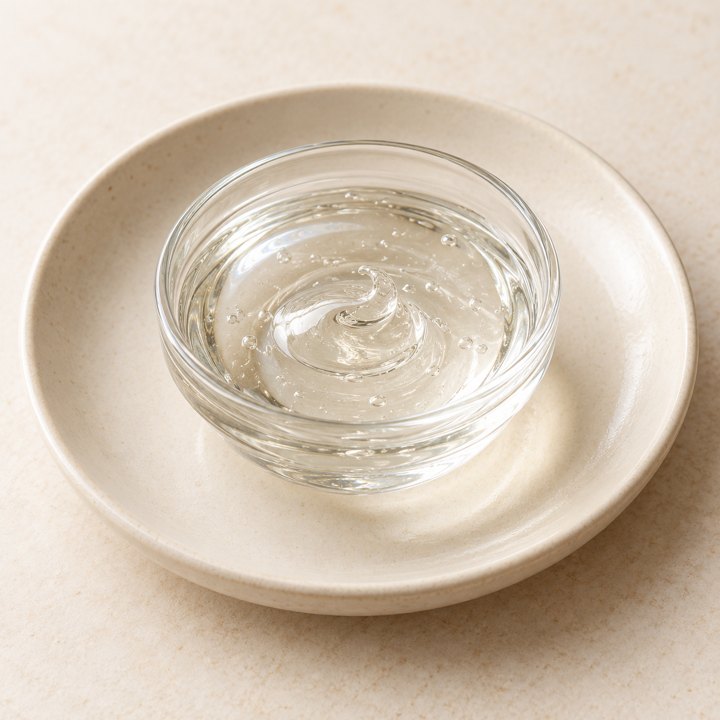
Glucose syrup is a thick liquid made by breaking down food starch into a mixture of sugars and shorter carbohydrate chains. Pakistani confectionery suppliers commonly call it liquid glucose.
What it is and local names
Glucose syrup is a thick liquid made by breaking down food starch into a mixture of sugars and shorter carbohydrate chains. Pakistani confectionery suppliers commonly call it liquid glucose. It is not necessarily pure glucose, and it is different from high-fructose corn syrup.
Origins and documented history
Its history belongs to industrial starch conversion and confectionery manufacture, particularly from the nineteenth century onward. The old use of plant sweeteners does not establish an ancient invention of modern glucose syrup. No single discoverer of all starch-syrup formulations is claimed here.
Types and manufacture
Maize, wheat, cassava or other starch is hydrolysed using acid, enzymes or combinations, then purified and concentrated. The degree of conversion affects sweetness and viscosity. Dextrose equivalent is a processing specification rather than a direct statement of the percentage of free glucose.
Reference: FAO: Cassava processing and utilization.
Production, trade and Pakistan
Starch-processing industries in countries including China, the United States and European states supply syrup internationally. Pakistan’s confectioners obtain it through ingredient distributors and domestic supply chains. Check the crop source where dietary requirements make that relevant.
How to use it
In patisa and other sweets it helps control sucrose crystallization and gives workable texture. Measure by weight with a clean utensil. Slight warming can make it easier to pour; excessive extra water changes the confection’s cooking endpoint.
Nutrition, benefits and limits
It is a concentrated carbohydrate ingredient and a source of energy. Being less sweet than table sugar in some formulations does not mean it is sugar-free or suitable for unrestricted consumption. It supplies no substantial fibre.
Drawbacks, allergens and precautions
Check the actual specification and allergen statement, especially if the source is wheat. Do not assume every starch-derived product has the same residual protein status. Sticky spills and boiling syrup require burn precautions.
Substitutions and storage
Light corn syrup can replace some glucose syrups when concentration and flavour are appropriate. Honey or invert syrup changes flavour and browning. For a pulled or crystallization-sensitive sweet, use a tested formula rather than a casual equal-volume swap.
Keep tightly closed, clean and protected from moisture. Follow the supplier’s temperature directions. Do not dilute the whole container to make dispensing easier; contamination and concentration changes reduce its predictability.
What sugar does in a recipe
Sweetness is only one job of a sugar ingredient. Dissolved sugar binds some of the available water, changes the freezing behaviour of desserts and affects the tenderness of baked goods. Its concentration also determines whether a syrup stays pourable, coats a spoon or sets into a confection. These functions explain why replacing a measured sugar ingredient with a few drops of an intense sweetener rarely gives the same result. Work by weight when consistency matters, especially for sweets in which small changes in water content alter the final texture.
Controlling syrup and browning
Dissolve crystals over moderate heat before a syrup reaches a vigorous boil. For a smooth confection, avoid scraping dry crystals from the upper wall of the pan back into the liquid. If a recipe calls for caramel, use a pan that lets you see the colour clearly and take it off the heat before the residual heat makes it bitter. Hot concentrated sugar sticks to skin and causes serious burns. Cool a sample on a plate before tasting; never put a finger into boiling syrup to test its thread.
Benefits, limits and buying checks
A familiar sweetener can make a small serving of plain food enjoyable and can preserve a traditional flavour, but that is different from a medical benefit. Brown colour, a rustic appearance or a plant-based origin does not make a sugar ingredient suitable for unrestricted use. Trace minerals do not cancel its sugar content. Compare products by the ingredient list, the serving size and the function needed in the recipe. Buy clean, food-grade stock with intact packaging; dampness, insects and unidentifiable loose additives are reasons to choose another pack.
Weighing and replacing a sweetener
A tightly packed moist sugar and a loose dry sugar can have very different weights in the same cup. Break up lumps before weighing and follow whether a recipe specifies packed, sifted or granulated sugar. Replacing a dry sugar with a liquid sweetener adds water, so it can change baking time, spread and setting. Replacing a syrup with crystals removes water and may leave undissolved grains. For a casual drink, adjustment by taste is reasonable; for a pulled sweet, meringue or brittle, use a tested formula designed for that particular sweetener.
Recipes and the Pakistani pantry
Use this ingredient in Patisa. Explore related ingredients in the Pakistani ingredients and spices pantry.
Names and forms used in our recipes
View the recipe names covered by this guide
- glucose syrup
Frequently Asked Questions
What should I check when buying glucose syrup?
Choose a food-grade confectionery syrup with a known concentration and starch source. Liquid glucose is not necessarily pure glucose or high-fructose syrup.
What can replace glucose syrup in a recipe?
Light corn syrup can replace some glucose syrups when concentration and flavour are appropriate. Honey or invert syrup changes flavour and browning.
How should glucose syrup be stored?
Keep tightly closed, clean and protected from moisture. Follow the supplier’s temperature directions.
Keep Exploring
Related places and stories on DailyLife.pk

How we know this
- Type Explainer
- Sources 4 (2 official/academic)
- Reviewed November 2026
- Disputed points None
