
Ingredients & Spices · The complete guide
Garlic chives
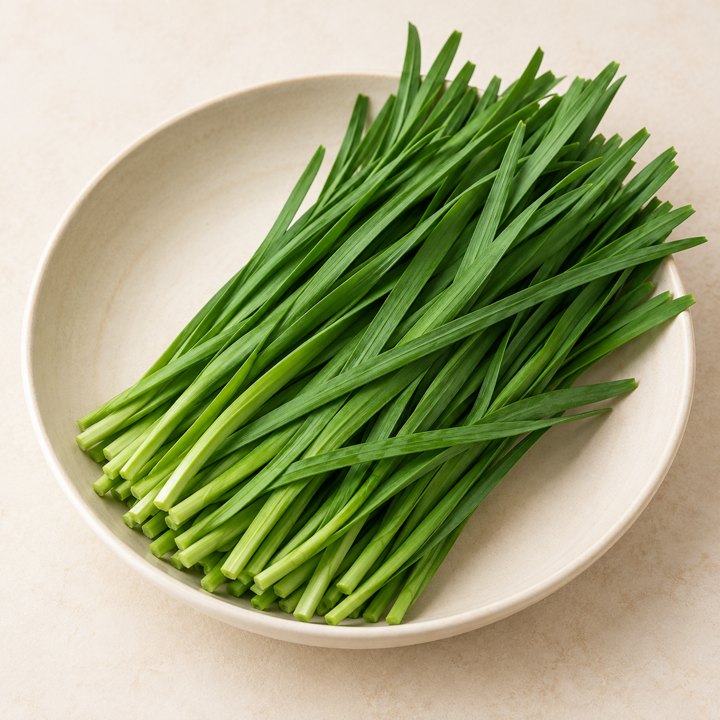
Garlic chives are Allium tuberosum, with flat strap-like leaves and a clear garlic aroma. They differ from hollow common chives and from spring onion.
What it is and names to know
Garlic chives are Allium tuberosum, with flat strap-like leaves and a clear garlic aroma. They differ from hollow common chives and from spring onion. Asian recipes may also use the tender flower stalks.
Origins, producing regions and Pakistan context
The species has roots in the Himalayan to Chinese region and longstanding East Asian culinary use. Its modern botanical description is much later than its food tradition and is not an invention date.
Cultivation is established in China and other East Asian countries and has spread widely. Pakistani buyers may need a specialist vegetable supplier or a plant grown specifically for culinary use.
Background: Royal Botanic Gardens, Kew: plant identity and range.

Types and buying advice
Look for flat leaves with a garlic scent. Hollow onion-like common chives and spring onion tops are different ingredients.
How to cook with it
Chop into dumpling fillings, omelettes, stir-fries or savoury pancakes. Add toward the end of a quick stir-fry to keep some green colour and texture, rather than cooking as long as onion bulbs.
Wash between the flat leaves and cut into lengths appropriate to the dish. For fillings, drain thoroughly to avoid introducing unnecessary water.
The broad flat leaves can retain water after washing. Dry them before adding to dumpling filling or a hot wok, where excess moisture changes the cooking method. Tender flower stalks may be used when a recipe specifically calls for them, but should not be assumed to have the same cooking time as finely cut leaves. To keep the character fresh, add them after firmer vegetables have largely cooked rather than treating them as the first onion base.
Try the ingredient in Pad Thai. Follow each recipes specified form and quantity, since whole pieces and fine powder season food differently.
For related pantry ingredients, see the Pakistani ingredients and spices guide.
For a savoury pancake, slice the washed dried leaves into short lengths and mix them evenly through the batter. Very long strands can tangle and make neat portions difficult. In a dumpling filling, finely chop the leaves and combine them with cooled ingredients before wrapping. For a stir-fry, the leaves can remain longer because the finished dish is eaten with that texture in mind. Tender unopened flower stalks are another culinary form; trim tough ends and use a recipe suited to their firmer structure. A packet labelled merely chives may contain common onion-flavoured chives, so confirm which herb is intended.
Nutrition and realistic benefits
Fresh leaves add aroma, variety and some micronutrients to food. The nutritional contribution depends on whether you eat a few garnish leaves or a substantial chopped-herb portion. They cannot replace the volume and diversity of vegetables in a meal. Their most useful everyday role is making ordinary dishes enjoyable with a fresh aromatic finish. Claims based on isolated oils, extracts or laboratory tests should not be transferred to a spoonful of chopped leaves or an everyday homemade tea.
Disadvantages and precautions
Buy an identified edible plant rather than gathering similar leaves. Allium allergy remains relevant even when a herb is served only as a garnish.
Clean handling matters even for a small garnish. FDA food-safety guidance explains practical handling. Buying from a traceable food supplier is more dependable than trying to judge safety from appearance alone.
Substitutions and storage
Spring onion greens plus a little minced garlic is a practical adaptation. Common chives alone are milder and more onion-like.
Choose sound leaves with a clear characteristic aroma, and discard rotten or slimy material. Rinse under fresh running water before use and dry gently; household soap and detergent are unsuitable for washing food. Keep most fresh herbs chilled with their moisture controlled so leaves do not sit wet. Tender basil is particularly sensitive to cold and bruising. Freezing can preserve a surplus for cooked dishes, though thawed leaves usually lose the texture needed for an attractive raw garnish.
Names and forms used in our recipes
View the recipe names covered by this guide
- garlic chives
Frequently Asked Questions
Should washed garlic chives be dried before cooking?
The broad flat leaves can retain water after washing. Dry them before adding to dumpling filling or a hot wok, where excess moisture changes the cooking method.
What can I use instead of garlic chives?
Spring onion greens plus a little minced garlic is a practical adaptation. Common chives alone are milder and more onion-like.
What is the main caution with garlic chives?
Buy an identified edible plant rather than gathering similar leaves. Allium allergy remains relevant even when a herb is served only as a garnish.
Keep Exploring
Related places and stories on DailyLife.pk

How we know this
- Type Explainer
- Sources 3 (1 official/academic)
- Reviewed November 2026
- Disputed points None
3 sources
Photo credits (1)
- I-11 Sabze Mande, Islamabad.jpg, Pakieditor, CC BY-SA 4.0, via Wikimedia Commons
