
Ingredients & Spices · The complete guide
Feta
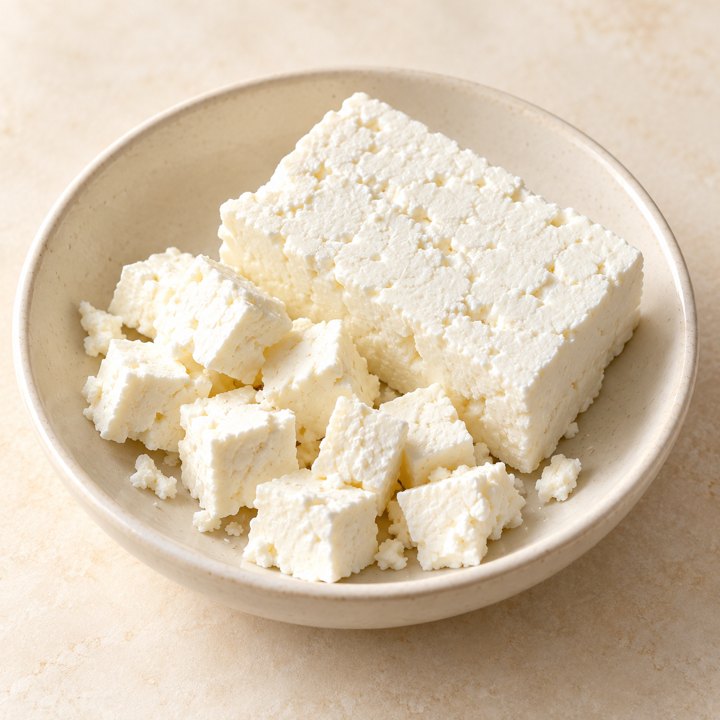
Feta is a white brined cheese associated with Greece, traditionally based on sheep milk or sheep-and-goat milk. Similar cow-milk white cheeses are often sold as feta-style products.
What it is and what to ask for
Feta is a white brined cheese associated with Greece, traditionally based on sheep milk or sheep-and-goat milk. Similar cow-milk white cheeses are often sold as feta-style products.
Check milk type, brine condition, pasteurisation and rennet suitability. A dry, heavily salted block may need different handling from a creamy cheese in brine.
History, production and the Pakistan context
Brined cheeses have a long eastern Mediterranean history. The protected European name feta has a defined geographic and production meaning distinct from the broader family of white salad cheeses.
Greece produces protected feta; other countries manufacture white brined cheeses. In Pakistan, the label may say feta-style, Danish white or salad cheese, each with potentially different ingredients.
How to use it successfully
Crumble over salads or add to fillings, allowing for its salt before seasoning. It softens when heated but does not give the stretchy melt of mozzarella, so it suits crumbly rather than elastic fillings.
Brine helps maintain the cheese's characteristic moisture and salt balance. Follow the manufacturer's instructions after opening rather than topping up a pack with an arbitrary homemade liquid. Crumble immediately before assembly when visible pieces matter. For a smoother spread, mash with a little appropriate dairy ingredient rather than expecting feta to melt into an elastic sauce.
Nutrition, benefits and limits
Feta supplies protein and calcium but can contribute considerable sodium. Sheep or goat milk does not automatically make it safe for someone with cow-milk protein allergy.
Choosing a replacement
Another pasteurised white brined cheese is the closest substitute. Paneer supplies cubes but lacks the acidity and salt; add those thoughtfully rather than calling the products identical.
When changing a dairy product, compare moisture, fat, acidity, sweetness and whether it must melt, whip or hold its shape. Preserve the recipe’s functional balance rather than only the spoonful count. A substitute should also meet the household’s actual dietary requirement; similar texture does not establish identical allergen suitability.
Safe handling and storage
Choose a product made from pasteurised dairy ingredients and keep it refrigerated according to the pack. Fresh high-moisture cheeses need particularly careful cold handling. Use clean utensils, reseal promptly and note the opening date; the unopened shelf life does not continue unchanged after a container has been opened.
Follow specific storage directions for liquid-packed or brined cheese rather than assuming every soft cheese should be stored in water. A product intended for baking may have a different moisture level from a spreadable tub. If mould or another clear spoilage change develops in soft cheese, do not scrape the surface and use the rest; its moisture allows contamination beyond the visible spot.
Freezing can alter graininess, whey separation and the ability to spread smoothly, so reserve frozen portions for cooked uses only when the producer permits it and quality remains acceptable. Milk allergy is different from lactose intolerance: a lower-lactose cheese can still contain allergenic proteins. Compare portions by weight when judging fat, sodium or protein because a loosely crumbled spoonful is not equivalent to a dense block of the same apparent volume.
Planning, portions and serving
Feta is useful in a meal where a small salty component contrasts with mild grains, beans or vegetables. Crumble close to service and taste the complete dish before adding more salt. Rinsing or soaking may change the product's characteristic flavour and should follow a recipe rather than being a presumed health fix. A lower-salt meal is more reliably designed by controlling the amount of cheese and choosing less salty accompanying ingredients.
Recipes and pantry links
Use feta according to the form specified in the linked recipe: raw versus cooked, bone-in versus boneless, sweetened versus plain, and the stated cut or processing style all affect the result. The ingredient discussion above explains which differences matter most here. Read the complete recipe before shopping, then measure the prepared usable quantity rather than assuming every package has the same yield.
For related ingredient names, local terminology and flavour pairings, browse the Pakistani ingredients and spices pantry guide.
Names and forms used in our recipes
View the recipe names covered by this guide
- feta cheese
Frequently Asked Questions
Is every white salad cheese genuine feta?
No. Protected feta has a defined Greek origin and sheep or sheep-and-goat milk specification. Cow-milk white brined cheeses may be useful substitutes but should be identified by their actual label.
What should I check before buying feta for these recipes?
Check milk type, brine condition, pasteurisation and rennet suitability. A dry, heavily salted block may need different handling from a creamy cheese in brine. Match the stated plain or flavoured form and read the storage directions before opening the pack.
What is a practical substitute for feta?
Another pasteurised white brined cheese is the closest substitute. Paneer supplies cubes but lacks the acidity and salt; add those thoughtfully rather than calling the products identical. Make a small test where binding, melting or a delicate final texture is central, and adjust the recipe rather than treating different ingredients as identical.
Keep Exploring
Related places and stories on DailyLife.pk

How we know this
- Type Explainer
- Sources 9 (3 official/academic)
- Reviewed November 2026
- Disputed points None
9 sources
- FAO: dairy product types and characteristics
- FAO: milk processing
- FAO: traditional milk products in developing countries
- FAO: milk and dairy products in human nutrition
- OECD–FAO: dairy production and trade context
- FDA: raw milk questions and answers
- NIDDK: lactose intolerance definition and facts
- FDA: food allergies
- European Commission: feta PDO identity and origin
Photo credits (1)
- Milk glass.jpg, Stefan Kühn, CC BY-SA 3.0, via Wikimedia Commons
