
Ingredients & Spices · The complete guide
Dried dates (Chhuhare)
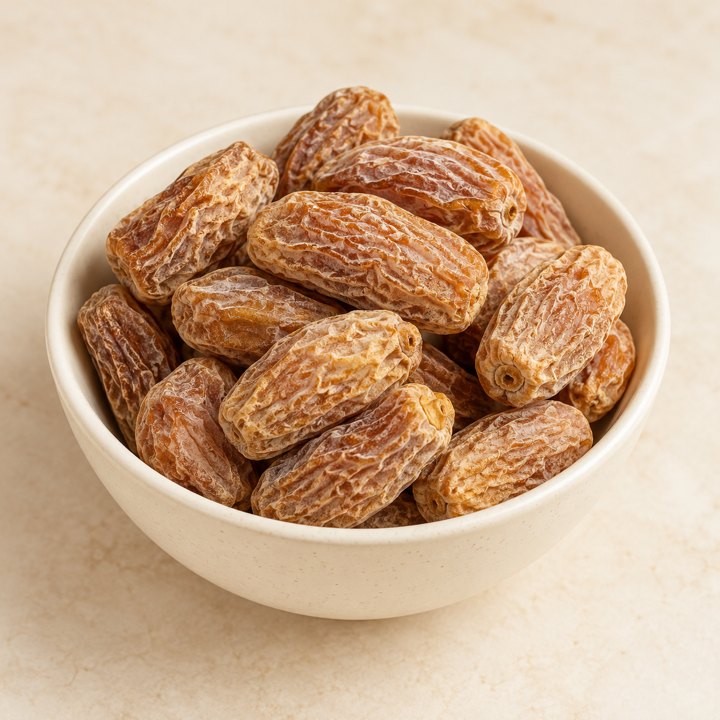
Dried dates are firm dried Phoenix dactylifera fruit, called chhuhare or chuare. Its eating character is concentrated caramel-like sweetness with a dense fibrous bite.
What is dried dates? Names, flavour and types
Dried dates are firm dried Phoenix dactylifera fruit, called chhuhare or chuare. Its eating character is concentrated caramel-like sweetness with a dense fibrous bite.
The main forms to recognise are hard dried whole dates, pitted pieces and sliced chhuhare; cultivar and drying method change hardness. Choose the form and ripeness specified by the recipe.
Origins, cultivation and the Pakistan market
Date palms have been cultivated for millennia in the Middle East; drying made their fruit suitable for travel and long storage. The relevant botanical or crop background is documented in Date palm - Phoenix dactylifera | Kew.
Growing conditions and producing countries: Date palms suit hot dry climates with irrigation; Egypt, Saudi Arabia, Iran and Pakistan produce dates. Sindh and Balochistan supply dates, while retail chhuhare may be locally processed or imported. Dried fruit is traded separately from fresh orchard fruit and can pass through a processor or packing country. Read origin, drying treatment and added-sugar information where supplied; a brand’s address does not necessarily identify the orchard country.

How to prepare, cook and substitute it
Check for stones, split carefully and soak firm pieces in warm water or milk before simmering in sheer khurma; chop after softening if necessary
Hard dried dates need time to absorb liquid before they become pleasant to chew. Splitting them also reveals the stone and makes later slicing safer. Soak in clean water or a portion of the recipe’s milk as directed, keeping the food cold if it will stand for a prolonged period. Add the softened pieces at the stage specified so they finish tender without making the whole dessert excessively thick. Soft khajoor requires less softening and can break down much more readily.
Drying reduces water, so a handful contains more fruit solids than the same volume of fresh fruit. Weigh the amount when consistency matters in rice, desserts or drinks. Soaking changes texture and weight without reversing the original concentration. Start with a small amount of liquid, then add more if the fruit remains hard. In a recipe containing sugar, taste after the fruit has softened: some of its sweetness and acidity will have moved into the surrounding liquid. Check carefully for stones and stray stems before serving.
A useful starting substitute is soft dates, added later because they disintegrate faster, or raisins for a different texture. Adjust the recipe for the replacement’s texture and moisture.
Buying and storing it well
Look for clean fruit without insects, sour odour or visible mould. Buy an amount that can be used while its texture is still suitable for the intended dish. Trim away ordinary damaged portions where appropriate, but reject a product showing active decay or an abnormal smell rather than hiding it in a strongly spiced preparation.
For storage, keep airtight and dry; refrigerate in hot humid conditions; refrigerate after soaking. Keep prepared portions separate from unwashed produce and raw animal foods. Use a clean covered container for cut or cooked food, and label frozen portions so the oldest batch is used first. The condition at purchase, kitchen temperature and packaging all affect keeping quality; a fixed number of days is not a guarantee of safety.
Nutrition, benefits and practical cautions
The nutritional contribution is carbohydrate, fibre and potassium; a concentrated food rather than a low-sugar fruit portion. USDA FoodData Central distinguishes raw, cooked, dried and processed forms. Recipe totals must also account for added oil, cream, sugar or syrup.
Hard pieces and stones present choking or dental hazards; portion size matters for carbohydrate management. Its role in a balanced meal depends on portion size and preparation. Whole foods and concentrated supplements are different products and should not be treated as interchangeable.
Recipes using dried dates
Use the linked recipes to match preparation to the finished dish. Check whether the ingredient quantity means whole purchased weight, peeled edible weight, drained weight or a cooked portion before shopping. This is especially helpful when a recipe needs a thick filling or a carefully balanced drink.
For related Urdu names, pantry ingredients and cooking combinations, see the Pakistani ingredients and spices guide.
Names and forms used in our recipes
View the recipe names covered by this guide
- dried dates (chhuhare)
Frequently Asked Questions
Why do chhuhare need soaking for sheer khurma?
Hard dried dates need time to absorb liquid before they become pleasant to chew. Splitting them also reveals the stone and makes later slicing safer. Soak in clean water or a portion of the recipe’s milk as directed, keeping the food cold if it will stand for a prolonged period. Add the softened pieces at the stage specified so they finish tender without making the whole dessert excessively thick. Soft khajoor requires less softening and can break down much more readily.
How should I store dried dates?
Keep airtight and dry; refrigerate in hot humid conditions; refrigerate after soaking.
What should I consider before serving dried dates?
Hard pieces and stones present choking or dental hazards; portion size matters for carbohydrate management.
Keep Exploring
Related places and stories on DailyLife.pk

How we know this
- Type Explainer
- Sources 5 (3 official/academic)
- Reviewed November 2026
- Disputed points None
5 sources
Photo credits (1)
- I-11 Sabze Mande, Islamabad.jpg, Pakieditor, CC BY-SA 4.0, via Wikimedia Commons
