
Ingredients & Spices · The complete guide
Dried chickpeas (Safed chana)
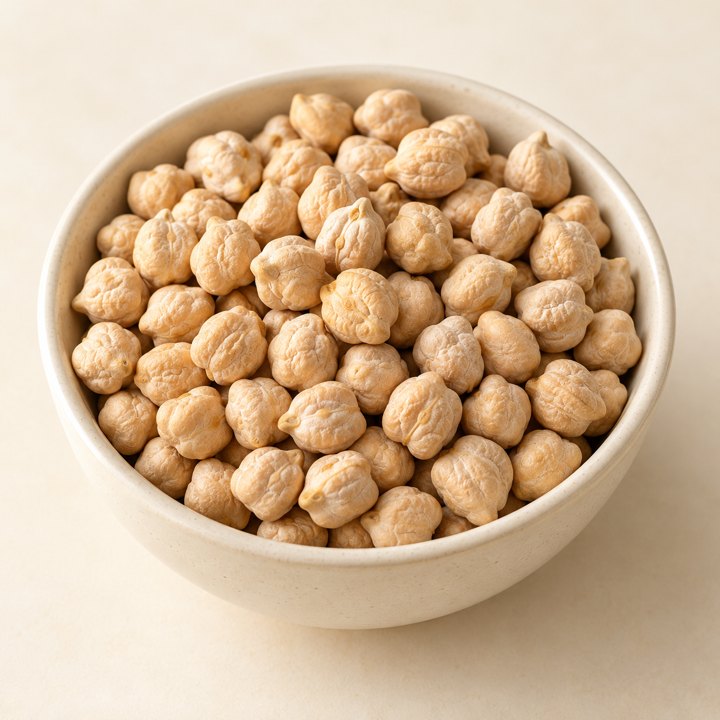
Dried chickpeas here means pale whole kabuli or safed chana. Their skin encloses a firm, starchy interior that becomes creamy with enough cooking.
What it is and what to buy
Dried chickpeas here means pale whole kabuli or safed chana. Their skin encloses a firm, starchy interior that becomes creamy with enough cooking. A large seed can look impressive in chana masala, while smaller chickpeas may give a more even spoonful. Very old dried chickpeas may remain stubbornly hard, so reliable stock rotation matters. They are not interchangeable with dry split chana dal or with a can of already cooked chickpeas.
Chickpeas are seeds of Cicer arietinum, a legume, and are called chana in Pakistan. Pale, relatively large kabuli chickpeas and smaller, darker desi chickpeas are important market groups. Splitting and removing the coat produces chana dal, while milling produces gram flour. Processing changes soaking, texture and cooking behaviour; the same crop can therefore appear as a whole pulse, a flour, a cooked convenience food or a crunchy snack.
Origins and food history
Chickpea is associated with the early farming cultures of the Fertile Crescent, where archaeological evidence places it among the founder crops of agriculture. It later spread through South Asia, the Mediterranean and other regions. No individual discoverer is documented. Desi and kabuli categories describe crop types and trade traditions; they should not be used to claim that every modern packet came from the place implied by its market name.
Reference: Kew: chickpea origin.
Growing regions, trade and Pakistan
Chickpeas are grown in India, Pakistan, Australia, Türkiye, Ethiopia and Mexico, among other origins. Pakistani production includes important rainfed growing areas, while imported pulses supplement domestic supplies. Traders distinguish crop size, colour, seed calibre and processing grade. Flour, roasted gram and canned chickpeas have additional processing costs, so their retail price is not directly comparable with a kilogram of dry seed. Check the stated origin and packer rather than treating the name kabuli as proof of Afghan origin.
Reference: Punjab Agriculture: pulse crops in Pakistan.
How to prepare and cook it
Soak the chickpeas in plenty of water, refrigerated if the kitchen is warm, then drain and cook in fresh water until fully tender. Add acidic tomatoes, tamarind or lemon after the beans have softened if tenderness is a problem. For falafel, a traditional method often uses soaked but uncooked chickpeas that are ground and then fully cooked during frying; canned chickpeas have a different moisture and starch structure and can make that mixture collapse. Follow the specific falafel method rather than assuming cooked beans are always an improvement.
Put this form of the ingredient to work in Falafel; Chana Masala; Safed Chana. The method in each recipe determines whether it should be raw, soaked, ground, freshly cooked or chilled before it enters the dish.
Nutrition, benefits and their limits
Chickpeas provide plant protein, starch, fibre, folate and minerals. Whole seed coats contribute fibre; dehulling and milling change the texture and distribution of these components. Their iron is non-haem iron, whose absorption varies with the meal; adding vitamin-C-rich vegetables or lemon is useful. They can make a filling alternative to part of the meat or refined starch in a meal, but a chickpea sweet or deep-fried snack also reflects its added sugar and fat.
Allergies, disadvantages and safe handling
Chickpea allergy is possible, including in people with other legume allergies, although an allergy to one legume does not automatically establish allergy to all. Fermentable carbohydrates can cause gas, especially after a sudden large increase in intake. Soaking, thorough cooking and starting with smaller portions may help. Neither soaking nor roasting guarantees an allergen-free food. Dry chickpeas and ordinary chickpea flour require appropriate cooking; only a product specifically sold as ready to eat should be used without further heat.
Practical substitutions
Cooked chickpeas save time in a curry when added late and with liquid adjusted, but they are not a universal substitute for soaked raw chickpeas in falafel. Kala chana gives a smaller, firmer, darker result. White beans can fill a similar role in a stew but change its flavour and identity.
Keeping it fresh
Dry chickpeas keep best in sealed, dry containers protected from insects. Very old pulses can remain hard after prolonged cooking, so stock rotation matters even when there is no obvious spoilage. Flour and roasted gram should be protected from humidity and strong smells. Refrigerate cooked chickpeas promptly in a covered container and use within a short leftover window, or freeze in meal-size portions with a little cooking liquid. Move opened canned chickpeas into a clean covered food container and follow the package storage instructions.
For related ingredients and shopping terms, see the Pakistani ingredients and spices pantry guide.
Working with other forms of this ingredient
Cooked chickpeas
Cooked chickpeas are whole chana already hydrated and heat-treated until tender. They may be home-boiled or commercially canned. For chaat, pale kabuli chickpeas should be tender throughout while retaining their shape. A can’s total weight includes liquid; use the drained weight when comparing quantities. Chickpeas in a ready-made sauce are not equivalent to the plain cooked, drained beans listed in these recipes.
Chickpeas are seeds of Cicer arietinum, a legume, and are called chana in Pakistan. Pale, relatively large kabuli chickpeas and smaller, darker desi chickpeas are important market groups. Splitting and removing the coat produces chana dal, while milling produces gram flour. Processing changes soaking, texture and cooking behaviour; the same crop can therefore appear as a whole pulse, a flour, a cooked convenience food or a crunchy snack.
Drain canned chickpeas and rinse if the recipe needs a neutral flavour or less surface salt. Home-cooked chickpeas may need a little cooking liquid retained for a curry. In chaat, let freshly cooked beans cool safely before adding yoghurt and raw garnishes. In a pulao or meat dish, add already tender beans at a stage that heats them through without crushing them. Taste before salting because canned brine and seasoned cooking water can already contribute a significant amount.
Put this form of the ingredient to work in Mantu; Papri Chaat; Chana Puri. The method in each recipe determines whether it should be raw, soaked, ground, freshly cooked or chilled before it enters the dish.
Roasted chickpeas
Roasted chickpeas, often called bhuna chana, are chickpeas processed into a dry, crisp snack. Products may retain the skin, have it removed, be split, or carry oil and seasoning. They differ from simply boiled chickpeas and from partially toasted raw dry beans. The ready-to-eat roasted gram specified for nimco should already be properly processed and crisp. A darkened exterior does not by itself prove a homemade raw chickpea is tender or safely prepared inside.
Chickpeas are seeds of Cicer arietinum, a legume, and are called chana in Pakistan. Pale, relatively large kabuli chickpeas and smaller, darker desi chickpeas are important market groups. Splitting and removing the coat produces chana dal, while milling produces gram flour. Processing changes soaking, texture and cooking behaviour; the same crop can therefore appear as a whole pulse, a flour, a cooked convenience food or a crunchy snack.
For nimco, choose plain roasted chickpeas and combine them with other cooled, crisp components. If they are salted, account for that before seasoning the whole mixture. Add delicate spices at a temperature that develops aroma without burning them. Keep wet ingredients out of a storage batch; fresh lemon and onion belong on an immediately served portion. A ready-to-eat roasted product normally does not need to be simmered, and adding it to a wet curry will soften the crunch it was bought to provide.
Put this form of the ingredient to work in Nimco. The method in each recipe determines whether it should be raw, soaked, ground, freshly cooked or chilled before it enters the dish.
Sattu
Sattu in this recipe means ready-to-eat flour made from roasted chickpeas. In different regions, the word can also describe roasted barley, mixed grains or other roasted flours. That makes the ingredient list essential: a grain-based sattu may contain gluten even when chickpea sattu does not. The drink requires a product explicitly suitable for eating without further cooking, rather than ordinary raw besan given a new name.
Chickpeas are seeds of Cicer arietinum, a legume, and are called chana in Pakistan. Pale, relatively large kabuli chickpeas and smaller, darker desi chickpeas are important market groups. Splitting and removing the coat produces chana dal, while milling produces gram flour. Processing changes soaking, texture and cooking behaviour; the same crop can therefore appear as a whole pulse, a flour, a cooked convenience food or a crunchy snack.
Start by mixing a small amount of sattu with cool potable water into a smooth paste, then dilute to the desired consistency. Stir well before each serving because the fine particles settle. Lemon, salt and spices can suit a savoury drink, while a sweet version needs sugar judged separately. Prepare close to serving time and keep chilled if held. Raw besan is not an acceptable shortcut for a cold sattu drink; its flavour and food-safety status are different.
Put this form of the ingredient to work in Sattu Drink. The method in each recipe determines whether it should be raw, soaked, ground, freshly cooked or chilled before it enters the dish.
Names and forms used in our recipes
View the recipe names covered by this guide
- boiled chickpeas (kabuli chana)
- canned chickpeas
- cooked chickpeas
- cooked chickpeas (kabuli chana)
- cooked kabuli chickpeas, drained
- cooked, drained kabuli chickpeas
- cooked, drained white chickpeas
- dried chickpeas
- dried kabuli chickpeas
- dried white kabuli chickpeas
- ready-to-eat roasted chickpea sattu
- roasted chickpeas
Frequently Asked Questions
Why will my chickpeas not soften?
Age, hard water, insufficient cooking and early acidic ingredients can contribute. Use a fresh batch and cook until the centre is creamy.
Can I use canned chickpeas for falafel?
Only in a recipe designed for them. A traditional soaked-dry-chickpea recipe depends on a different moisture level and structure.
Keep Exploring
Related places and stories on DailyLife.pk

How we know this
- Type Explainer
- Sources 7 (3 official/academic)
- Reviewed November 2026
- Disputed points None
7 sources
Photo credits (1)
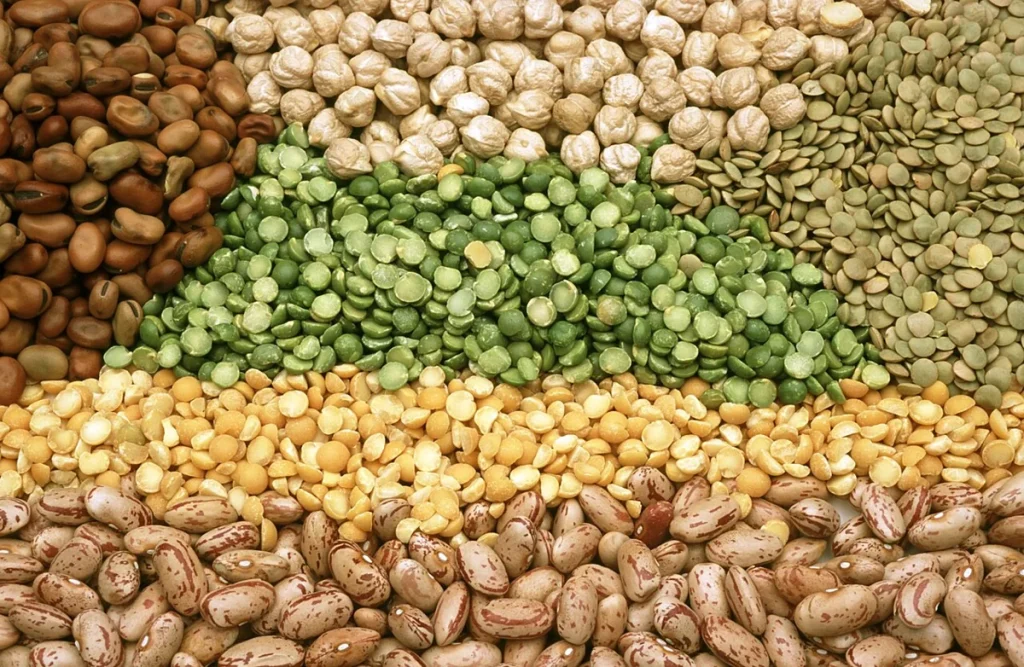
- CSIRO ScienceImage 3224 Pulses and legumes.jpg, division, CSIRO, CC BY 3.0, via Wikimedia Commons
