
Ingredients & Spices · The complete guide
Dried barberries
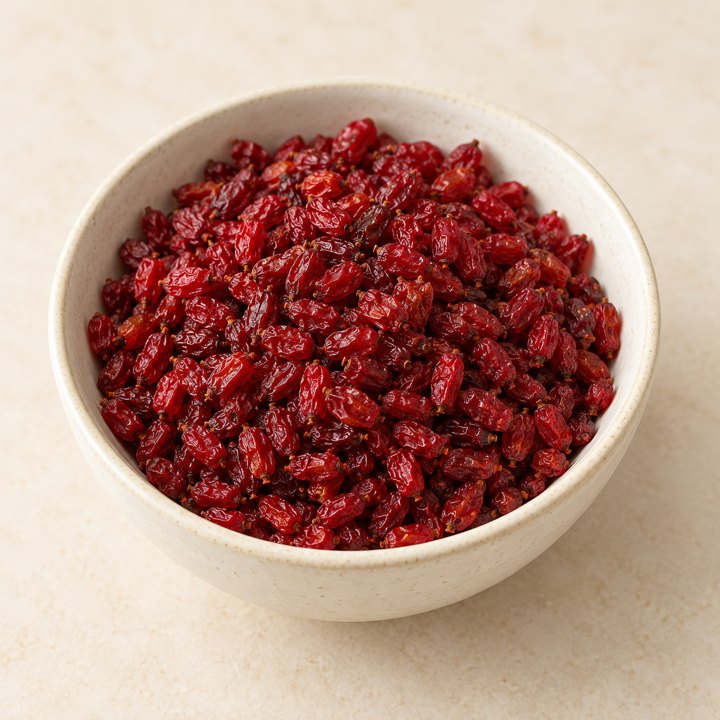
Dried barberries are small tart Berberis fruits, sold as zereshk; cultivated Iranian edible barberries are commonly associated with Berberis vulgaris. Its eating character is intensely tart, lightly fruity and delicate, with little pulp.
What is dried barberries? Names, flavour and types
Dried barberries are small tart Berberis fruits, sold as zereshk; cultivated Iranian edible barberries are commonly associated with Berberis vulgaris. Its eating character is intensely tart, lightly fruity and delicate, with little pulp.
The main forms to recognise are seedless culinary zereshk and seeded wild forms that are not interchangeable without identification. Choose the form and ripeness specified by the recipe.
Origins, cultivation and the Pakistan market
Barberry shrubs occur across parts of Eurasia; drying and culinary selection developed regionally rather than through one documented invention. The relevant botanical or crop background is documented in Berberis vulgaris L. | Plants of the World Online | Kew Science.
Growing conditions and producing countries: A shrub crop especially associated with Iran's dry eastern regions; small-scale gathering occurs elsewhere. Often a specialty imported ingredient for Persian-style rice rather than a daily Pakistani pantry item. Dried fruit is traded separately from fresh orchard fruit and can pass through a processor or packing country. Read origin, drying treatment and added-sugar information where supplied; a brand’s address does not necessarily identify the orchard country.

How to prepare, cook and substitute it
Sort out stems and grit, rinse quickly, drain and warm briefly in butter or oil. Add to zereshk polo late because the berries scorch easily
The small berries have little mass and can burn rapidly in hot fat, especially with added sugar. Brief warming is often enough to brighten their colour and soften their surface before scattering over rice. Sort carefully first: small stems and grit are easier to remove from dry berries than from the finished dish. A heavy long fry can turn the flavour bitter. Sweet dried cranberries can supply colour in an emergency, but their size and sugar level need adjustment and they are not an exact zereshk replacement.
Drying reduces water, so a handful contains more fruit solids than the same volume of fresh fruit. Weigh the amount when consistency matters in rice, desserts or drinks. Soaking changes texture and weight without reversing the original concentration. Start with a small amount of liquid, then add more if the fruit remains hard. In a recipe containing sugar, taste after the fruit has softened: some of its sweetness and acidity will have moved into the surrounding liquid. Check carefully for stones and stray stems before serving.
A useful starting substitute is finely chopped unsweetened dried cranberries, with extra acidity as needed, but the flavour remains different. Adjust the recipe for the replacement’s texture and moisture.
Buying and storing it well
Look for red to dark red sound berries without damp clumps or mould. Buy an amount that can be used while its texture is still suitable for the intended dish. Trim away ordinary damaged portions where appropriate, but reject a product showing active decay or an abnormal smell rather than hiding it in a strongly spiced preparation.
For storage, keep airtight and cool, preferably refrigerated for better colour and flavour. Keep prepared portions separate from unwashed produce and raw animal foods. Use a clean covered container for cut or cooked food, and label frozen portions so the oldest batch is used first. The condition at purchase, kitchen temperature and packaging all affect keeping quality; a fixed number of days is not a guarantee of safety.
Nutrition, benefits and practical cautions
The nutritional contribution is some fibre and plant pigments in a small garnish-sized serving. USDA FoodData Central distinguishes raw, cooked, dried and processed forms. Recipe totals must also account for added oil, cream, sugar or syrup.
Culinary berries are not equivalent to berberine supplements or bark preparations; avoid unidentified wild berries. Its role in a balanced meal depends on portion size and preparation. Whole foods and concentrated supplements are different products and should not be treated as interchangeable.
Recipes using dried barberries
Use the linked recipes to match preparation to the finished dish. Check whether the ingredient quantity means whole purchased weight, peeled edible weight, drained weight or a cooked portion before shopping. This is especially helpful when a recipe needs a thick filling or a carefully balanced drink.
For related Urdu names, pantry ingredients and cooking combinations, see the Pakistani ingredients and spices guide.
Names and forms used in our recipes
View the recipe names covered by this guide
- dried barberries
Frequently Asked Questions
Why are barberries added to rice near the end?
The small berries have little mass and can burn rapidly in hot fat, especially with added sugar. Brief warming is often enough to brighten their colour and soften their surface before scattering over rice. Sort carefully first: small stems and grit are easier to remove from dry berries than from the finished dish. A heavy long fry can turn the flavour bitter. Sweet dried cranberries can supply colour in an emergency, but their size and sugar level need adjustment and they are not an exact zereshk replacement.
How should I store dried barberries?
Keep airtight and cool, preferably refrigerated for better colour and flavour.
What should I consider before serving dried barberries?
Culinary berries are not equivalent to berberine supplements or bark preparations; avoid unidentified wild berries.
Keep Exploring
Related places and stories on DailyLife.pk

How we know this
- Type Explainer
- Sources 4 (2 official/academic)
- Reviewed November 2026
- Disputed points None
4 sources
Photo credits (1)
- I-11 Sabze Mande, Islamabad.jpg, Pakieditor, CC BY-SA 4.0, via Wikimedia Commons
