
Ingredients & Spices · The complete guide
Dark chocolate
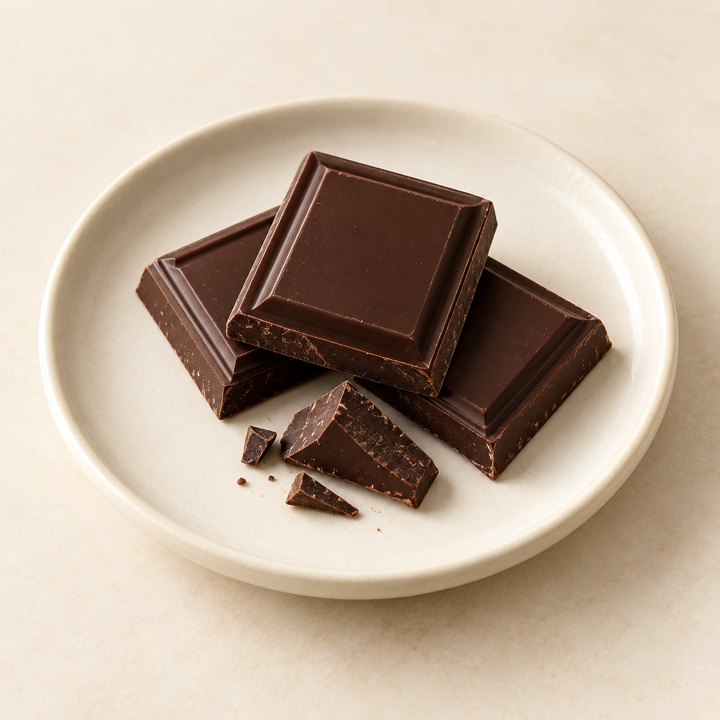
Dark chocolate combines cocoa solids, cocoa butter and sugar, sometimes with emulsifier and flavouring. Pakistani shops usually use the English term.
What it is and local names
Dark chocolate combines cocoa solids, cocoa butter and sugar, sometimes with emulsifier and flavouring. Pakistani shops usually use the English term. Bittersweet, semisweet, couverture and compound coating describe different formulations; dark colour alone cannot identify any of them.
Origins and documented history
Cacao beverages have deep roots in the Americas, while sweet solid eating chocolate developed through later European processing and manufacturing. Dark chocolate is not a single ancient recipe or a product with one documented universal inventor.
Types and manufacture
Processed cocoa mass is blended with sugar and additional cocoa butter as required, refined and conched. Tempering controls cocoa-butter crystallization for shine and snap. A stated cocoa percentage includes cocoa butter as well as non-fat cocoa solids, so two equal percentages can taste different.
Reference: International Cocoa Organization: Processing Cocoa.
Production, trade and Pakistan
Cocoa farming occurs in tropical countries including Côte d’Ivoire, Ghana and Ecuador. Chocolate manufacture is international and may be distant from farms. Pakistan imports cocoa ingredients and finished chocolate and also has local confectionery manufacture.
Reference: International Cocoa Organization: Production and origins FAQ; State Bank of Pakistan: Import of goods by commodity, 2025.
How to use it
For hot chocolate, chop finely and whisk into warm milk gradually. For ganache, match the recipe’s cocoa percentage because a very dark bar may need another liquid ratio. For coating, temper real chocolate when a stable glossy finish is required.
Nutrition, benefits and limits
It supplies fat, sugar and some cocoa minerals and compounds. Higher cocoa content can mean less sugar but does not make a large serving low in energy. It is better treated as a flavourful food than prescribed as a health supplement.
Drawbacks, allergens and precautions
Dark chocolate may contain milk or traces from shared equipment. Soy and nuts are other possible label issues. It also contains caffeine and theobromine. A milk-free claim and a halal requirement should be checked on the actual product.
Substitutions and storage
Semisweet baking chocolate can substitute if sweetness is adjusted. Cocoa powder needs added fat and usually sugar, so it is not an equal-weight replacement. Compound coating gives a different texture and should be used where the recipe permits it.
Store cool, dry and well wrapped away from spices. Protect from repeated melting and condensation. Bloom can affect appearance and texture, while mould, off smells or damaged packaging require separate judgement.
Choosing chocolate for the job
A chocolate product made to hold its shape in a cookie is not automatically the best product for a thin glaze. Check whether the label describes chocolate, a cocoa-based coating or a compound coating made with other vegetable fats. These products can differ sharply in melting behaviour and texture. For a ganache or a mousse, begin with the kind specified in the recipe because the proportion of cocoa solids, sugar and fat changes the amount of liquid needed. For garnish, taste the chocolate with the finished dessert rather than evaluating bitterness in isolation.
Managing heat and moisture
Chocolate scorches more readily than its solid appearance suggests. Chop large pieces evenly and melt gently, stirring between short heating intervals. Keep bowls and utensils dry when melting plain chocolate: a small accidental splash can make the mixture thicken into a grainy paste. A properly designed sauce deliberately includes enough liquid, which is a different situation. Cool a melted mixture before folding it into whipped ingredients. A dull surface or pale bloom can reflect changes in fat or sugar crystals; it is not the same observation as visible mould or an unpleasant spoiled smell.
Nutrition without a health halo
Cocoa-containing foods can contribute flavour and some minerals, but a sweetened chocolate ingredient also brings sugar and often substantial fat. Cocoa percentage does not by itself describe the serving size, calorie content or suitability for a particular diet. Enjoy it for the culinary result and keep the portion consistent with the whole dessert. Check labels for milk, soy, nuts and cross-contact statements. A product described as dark, dairy-free or premium should still be checked individually when allergies or halal certification matter.
Substituting with an understanding of fat
Cocoa powder, plain chocolate and a sweetened drinking mix are not equal-volume substitutes. Cocoa powder supplies concentrated cocoa solids with less fat than chocolate, while a drink mix may contain a high proportion of sugar or milk powder. A replacement changes more than chocolate intensity: it changes fat, sweetness and often the liquid required. Choose a tested conversion for a cake batter, and use a small trial for a sauce. A compound coating may set conveniently without tempering, but it can give a different mouthfeel and should be named accurately when serving.
Recipes and the Pakistani pantry
Use this ingredient in Hot Chocolate. Explore related ingredients in the Pakistani ingredients and spices pantry.
Names and forms used in our recipes
View the recipe names covered by this guide
- dark chocolate
Frequently Asked Questions
What should I check when buying dark chocolate?
Check cocoa percentage, ingredients and whether it is real chocolate or a compound coating. Match the product to melting, filling or coating.
What can replace dark chocolate in a recipe?
Semisweet baking chocolate can substitute if sweetness is adjusted. Cocoa powder needs added fat and usually sugar, so it is not an equal-weight replacement.
How should dark chocolate be stored?
Store cool, dry and well wrapped away from spices. Protect from repeated melting and condensation.
Keep Exploring
Related places and stories on DailyLife.pk

How we know this
- Type Explainer
- Sources 5 (2 official/academic)
- Reviewed November 2026
- Disputed points None
