
Ingredients & Spices · The complete guide
Cream cheese
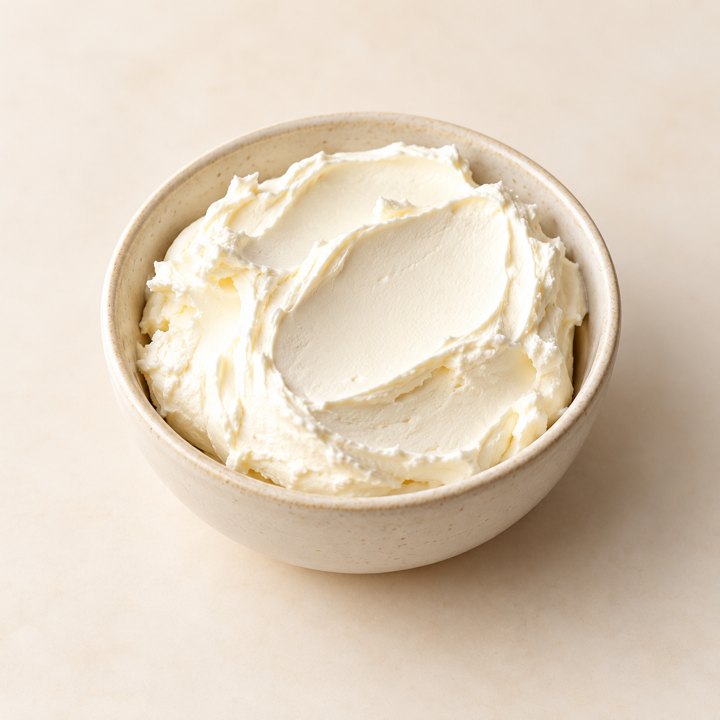
Cream cheese is a soft, fresh, unripened cheese with a smooth texture and mild acidity. A firm baking block and a spreadable tub can contain different moisture and stabiliser levels.
What it is and what to ask for
Cream cheese is a soft, fresh, unripened cheese with a smooth texture and mild acidity. A firm baking block and a spreadable tub can contain different moisture and stabiliser levels.
For cheesecake, choose the style specified in the recipe rather than an aerated spread. Check added herbs, salt and halal suitability of ingredients before using it in a sweet dessert.
History, production and the Pakistan context
Commercial cream cheese developed from fresh cheese making, with modern processing producing a consistent smooth texture. It should not inherit the long maturation history of cheddar or hard grating cheeses.
The United States, European countries and regional dairy manufacturers produce cream cheese; Pakistani retailers carry local and imported forms. Product composition is more important than an assumed national style.
How to use it successfully
Bring baking cream cheese to the recipe's specified softness before mixing to avoid lumps. In a hot sauce, loosen with a little warm liquid and add gradually; excessive heating can affect the emulsion.
Cold cream cheese can leave visible lumps in a batter, while over-warm cheese may make frosting slack. Soften only as needed and work within a recipe's temperature instructions. Adding more sugar to fix a warm frosting changes sweetness without addressing the temperature; chill and reassess texture before altering the formula.
Nutrition, benefits and limits
Cream cheese supplies some dairy nutrients but is often relatively high in fat. It is not interchangeable nutritionally with a serving of milk or high-protein strained yoghurt.
Choosing a replacement
Mascarpone is richer and milder; strained yoghurt is tangier and often wetter. Either requires recipe adjustments instead of a blind one-to-one swap in a baked cake.
When changing a dairy product, compare moisture, fat, acidity, sweetness and whether it must melt, whip or hold its shape. Preserve the recipe’s functional balance rather than only the spoonful count. A substitute should also meet the household’s actual dietary requirement; similar texture does not establish identical allergen suitability.
Safe handling and storage
Choose a product made from pasteurised dairy ingredients and keep it refrigerated according to the pack. Fresh high-moisture cheeses need particularly careful cold handling. Use clean utensils, reseal promptly and note the opening date; the unopened shelf life does not continue unchanged after a container has been opened.
Follow specific storage directions for liquid-packed or brined cheese rather than assuming every soft cheese should be stored in water. A product intended for baking may have a different moisture level from a spreadable tub. If mould or another clear spoilage change develops in soft cheese, do not scrape the surface and use the rest; its moisture allows contamination beyond the visible spot.
Freezing can alter graininess, whey separation and the ability to spread smoothly, so reserve frozen portions for cooked uses only when the producer permits it and quality remains acceptable. Milk allergy is different from lactose intolerance: a lower-lactose cheese can still contain allergenic proteins. Compare portions by weight when judging fat, sodium or protein because a loosely crumbled spoonful is not equivalent to a dense block of the same apparent volume.
Planning, portions and serving
For frosting, start with a recipe suited to the product's firmness and the room temperature where it will be served. A spreadable tub and a firm block may produce very different stability. Keep a filled or frosted cake appropriately chilled when its ingredients require it; the sugar is not a universal preservation guarantee. In a savoury filling, finely cut herbs and modest salt allow the cheese's tang to show without an excessively heavy layer.
Recipes and pantry links
Use cream cheese according to the form specified in the linked recipe: raw versus cooked, bone-in versus boneless, sweetened versus plain, and the stated cut or processing style all affect the result. The ingredient discussion above explains which differences matter most here. Read the complete recipe before shopping, then measure the prepared usable quantity rather than assuming every package has the same yield.
For related ingredient names, local terminology and flavour pairings, browse the Pakistani ingredients and spices pantry guide.
Names and forms used in our recipes
View the recipe names covered by this guide
- cream cheese
- full-fat cream cheese
- plain cream cheese
Frequently Asked Questions
Can I use any cream-cheese tub for cheesecake?
A spreadable or aerated tub can contain more moisture and a different stabiliser system from baking cream cheese. Choose the style specified in the recipe or adjust the formula deliberately to avoid a soft set.
What should I check before buying cream cheese for these recipes?
For cheesecake, choose the style specified in the recipe rather than an aerated spread. Check added herbs, salt and halal suitability of ingredients before using it in a sweet dessert. Match the stated plain or flavoured form and read the storage directions before opening the pack.
What is a practical substitute for cream cheese?
Mascarpone is richer and milder; strained yoghurt is tangier and often wetter. Either requires recipe adjustments instead of a blind one-to-one swap in a baked cake. Make a small test where binding, melting or a delicate final texture is central, and adjust the recipe rather than treating different ingredients as identical.
Keep Exploring
Related places and stories on DailyLife.pk

How we know this
- Type Explainer
- Sources 8 (3 official/academic)
- Reviewed November 2026
- Disputed points None
8 sources
- FAO: dairy product types and characteristics
- FAO: milk processing
- FAO: traditional milk products in developing countries
- FAO: milk and dairy products in human nutrition
- OECD–FAO: dairy production and trade context
- FDA: raw milk questions and answers
- NIDDK: lactose intolerance definition and facts
- FDA: food allergies
Photo credits (1)
- Milk glass.jpg, Stefan Kühn, CC BY-SA 3.0, via Wikimedia Commons
