
Ingredients & Spices · The complete guide
Cooked noodles
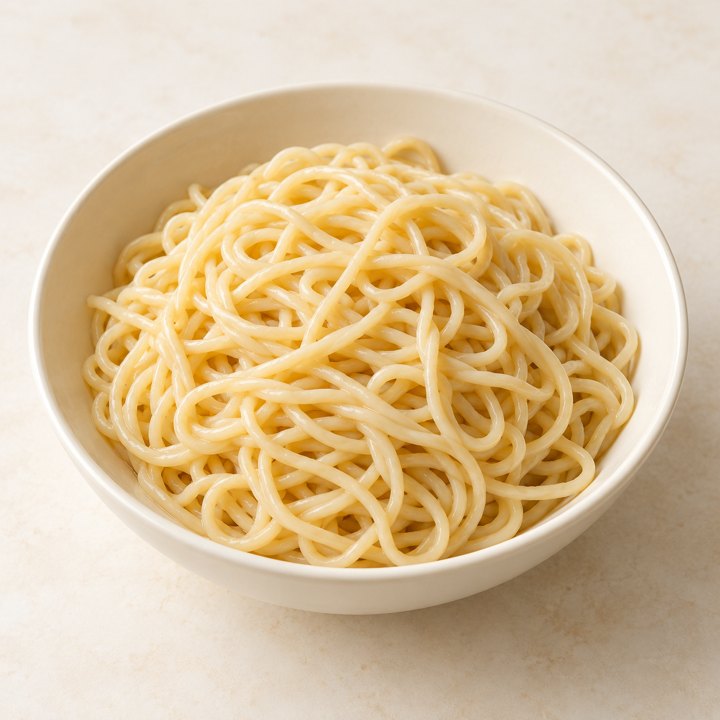
Cooked noodles are hydrated, prepared strands ready for a final dish. They may be wheat, egg, rice or starch noodles, so the underlying type still matters.
What it is and names used in Pakistan
Cooked noodles are hydrated, prepared strands ready for a final dish. They may be wheat, egg, rice or starch noodles, so the underlying type still matters.
Origin and historical context
Noodle traditions developed across Asia; a bowl of cooked strands is a preparation state, not a separate crop with its own discovery.
Types, manufacture and buying
Dry noodles are boiled or soaked according to type and drained. Fresh noodles may need only brief cooking; instant products are already processed and differ from raw dough strands.
Identify whether the pack is dry, fresh, precooked or instant before planning the recipe. These forms can look similar after cooking but have quite different preparation requirements. Check strand thickness, ingredient list and any separate seasoning sachets. A plain noodle can be comparatively simple while its accompanying powder introduces salt, sugar, milk or seafood ingredients. Where egg content or gluten matters, use explicit ingredient and allergen information rather than relying on the product’s yellow colour or an informal shop description.
Reference: Roland Foods: Asian noodle and pasta types.
Production, trade and the Pakistani pantry
Pakistan produces wheat noodles and imports specialised Asian noodles; country of packing does not necessarily identify the grain’s origin.
Cooking uses and practical substitutions
For spring-roll filling, cool and drain thoroughly, then cut long strands so the filling portions neatly. Avoid wet noodles that soften wrappers. Cooked thin wheat noodles or rice vermicelli may substitute when compatible with the filling.
Use enough space for strands to separate and stir gently early in cooking. Test the texture rather than assuming every brand follows the same minute count. Noodles that will finish in a hot sauce or soup should generally be slightly firmer at the first stage. Drain thoroughly for stir-fried fillings so water does not dilute seasoning. For a clearer soup, cooking noodles separately can keep loose starch out of the broth. Cut exceptionally long strands only when the dish benefits from easier portioning; avoid crushing a dry block into uneven fragments unless intended.
Nutrition, benefits and limitations
Most plain noodles are primarily a carbohydrate food, with protein and fibre determined by the flour and any added egg or pulses. They do not become a complete balanced meal simply because a packet includes vegetable flavouring. Pair them with a meaningful portion of vegetables and a protein source such as lentils, tofu, chicken, fish or eggs as appropriate. Added oil and concentrated sauces can contribute more fat and sodium than the plain strands. Compare nutrition on the same basis, since dry weights and cooked weights differ greatly after water absorption.
Cooked noodles should be cooled promptly and refrigerated; reheating cannot reliably rescue a batch left warm for many hours.
Practical notes and common mistakes
For a spring-roll filling, noodle moisture is as important as noodle quantity. Spread cooked strands briefly on a clean tray to release steam, then combine with a cooled filling rather than trapping heat inside the wrapper. A small amount of oil can reduce sticking if the recipe permits it, but an oily mixture may interfere with sealing. Separate the portion required for the rolls before adding any strong sauce to the remaining noodles. This avoids making the filling unexpectedly salty or staining every wrapper.
Storage and safe handling
Store dry noodles sealed in a cool dry cupboard, protected from insects and moisture. Fresh and chilled precooked noodles need the refrigeration stated on the pack; vacuum-packing does not necessarily mean shelf stability. Cool cooked leftovers promptly in shallow containers and refrigerate at 4°C or below. General leftover guidance is three to four days, but follow any shorter packet instruction. Freeze portions if appropriate for the product rather than keeping a large cooked batch warm for repeated meals. Reheat thoroughly; heating does not undo every hazard created by poor temperature control.
Recipes and related pantry reading
Use the form and quantity specified in each recipe, then adjust for the concentration, salt and moisture of the product you have bought. These dishes show where the ingredient fits in a complete preparation.
For related local names and pantry ingredients, see the Pakistani ingredients and spices guide.
Names and forms used in our recipes
View the recipe names covered by this guide
- cooked plain noodles
Frequently Asked Questions
Why must noodles cool before filling spring rolls?
Hot moist noodles release steam that weakens the wrappers and makes assembly difficult.
Are cooked noodles safe overnight on the counter?
No. Cool promptly and refrigerate; reheating cannot undo every hazard of prolonged warm storage.
Keep Exploring
Related places and stories on DailyLife.pk

How we know this
- Type Explainer
- Sources 3 (2 official/academic)
- Reviewed November 2026
- Disputed points None
