
Ingredients & Spices · The complete guide
Coconut oil
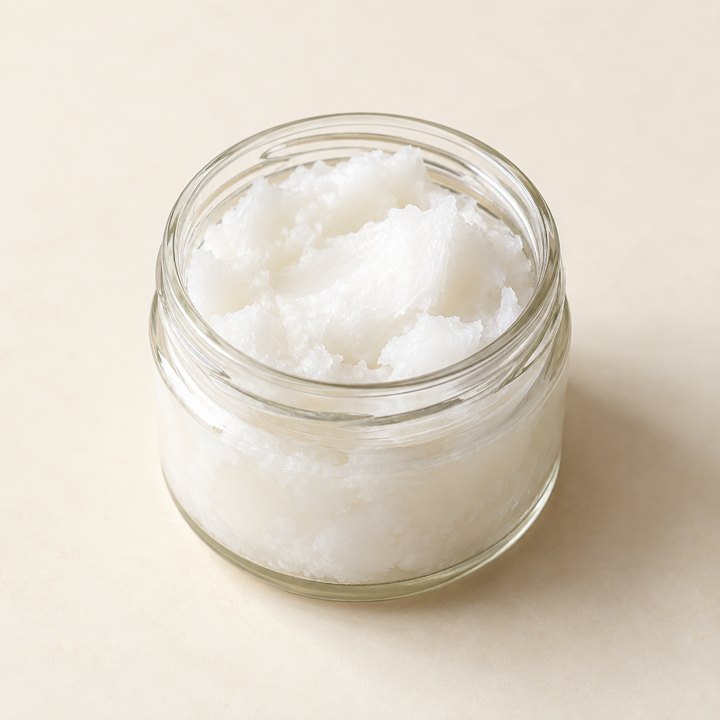
Coconut oil is fat extracted from coconut flesh. Virgin versions retain coconut aroma, while refined oil is usually milder; both may turn solid in a cool kitchen without being spoiled.
What it is and what to ask for
Coconut oil is fat extracted from coconut flesh. Virgin versions retain coconut aroma, while refined oil is usually milder; both may turn solid in a cool kitchen without being spoiled.
Choose food-grade oil and distinguish virgin, refined and blended products. Colour and solidity depend on temperature and processing, so neither alone proves purity.
History, production and the Pakistan context
Coconut cultivation and oil extraction have deep roots in tropical coastal food systems. Industrial refining later produced a neutral version for different culinary and manufacturing uses.
The Philippines, Indonesia, India and Sri Lanka produce coconuts and coconut oil. Pakistani cooks usually encounter bottled or jarred products whose grade should be read rather than inferred from the brand.

How to use it successfully
Use virgin oil where coconut aroma supports a South Indian fish curry. Melt gently before measuring into a batter if the recipe assumes liquid fat, and expect the food to firm as the oil cools.
The same jar can be clear liquid in hot weather and opaque solid in cool weather. That physical change is normal, but it affects how evenly the fat mixes into cold ingredients. For baking, use the form specified and avoid pouring hot melted oil directly onto chilled ingredients where it may set into small waxy lumps.
Nutrition, benefits and limits
Coconut oil is high in saturated fat. It is not nutritionally equivalent to unsaturated olive or canola oil, and health claims about it should not replace attention to the overall diet.
Choosing a replacement
Neutral oil works where coconut flavour is optional. Ghee changes the aroma to dairy; coconut milk adds water and solids and cannot replace coconut oil in equal amounts.
When changing a cooking fat, compare flavour, water content, solidity and the method of heating. Preserve the recipe’s functional balance rather than only the apparent spoonful size. A substitute should meet the household’s actual dietary requirement, and its own food-grade and storage instructions remain relevant even when the quantity is small.
Safe handling and storage
Choose a sealed food-grade product and store it away from heat, light and damp according to the producer. Keep the bottle capped and use a clean dry measure. A small bottle is often more practical for a specialty finishing oil than a large cheap bottle that remains open long after its aroma has faded.
Refining, roasting and extraction influence flavour and heating suitability. Follow the actual product guidance instead of assigning one smoke point to every oil with the same plant name. Avoid visible smoking and do not regard a smoking step as a method to remove toxins or make a non-food oil edible. Oil used with wet ingredients also needs different preservation precautions from a plain dry bottled oil.
All cooking oils supply concentrated energy. Their fatty-acid profiles differ, but a switch from one oil to another should be considered within the whole diet and the quantity used. Extracted oil does not retain the fibre and protein of the original seed or nut. For allergy, check the source and processing; a culinary oil should not be assumed safe merely because it looks clear. Discard rancid oil rather than attempting to hide stale flavours with spices.
Planning, portions and serving
Its aroma works naturally with curry leaves, coconut milk and some southern Indian spice combinations, but it can distract from a recipe designed around neutral fat. If making a substitution, try a small batch before changing a large pot. In chilled desserts, its firming effect can be useful, although the result may feel waxy if too much is added. Keep coconut oil distinct from coconut cream, which contributes both water and non-fat solids.
Recipes and pantry links
Use coconut oil according to the form specified in the linked recipe: raw versus cooked, bone-in versus boneless, sweetened versus plain, and the stated cut or processing style all affect the result. The ingredient discussion above explains which differences matter most here. Read the complete recipe before shopping, then measure the prepared usable quantity rather than assuming every package has the same yield.
For related ingredient names, local terminology and flavour pairings, browse the Pakistani ingredients and spices pantry guide.
Names and forms used in our recipes
View the recipe names covered by this guide
- coconut oil
Frequently Asked Questions
Has coconut oil spoiled if it turns white and solid?
Not necessarily. Coconut oil naturally changes between liquid and solid with kitchen temperature. Check storage history and signs such as rancid odour; physical solidity alone is not a reliable spoilage test.
What should I check before buying coconut oil for these recipes?
Choose food-grade oil and distinguish virgin, refined and blended products. Colour and solidity depend on temperature and processing, so neither alone proves purity. Match the stated plain or flavoured form and read the storage directions before opening the pack.
What is a practical substitute for coconut oil?
Neutral oil works where coconut flavour is optional. Ghee changes the aroma to dairy; coconut milk adds water and solids and cannot replace coconut oil in equal amounts. Make a small test where binding, melting or a delicate final texture is central, and adjust the recipe rather than treating different ingredients as identical.
Keep Exploring
Related places and stories on DailyLife.pk

How we know this
- Type Explainer
- Sources 3 (2 official/academic)
- Reviewed November 2026
- Disputed points None
3 sources
Photo credits (1)
- Vegetable oils, plantaardige oliën.jpg, Rasbak, CC BY-SA 3.0, via Wikimedia Commons
