
Ingredients & Spices · The complete guide
Cocoa
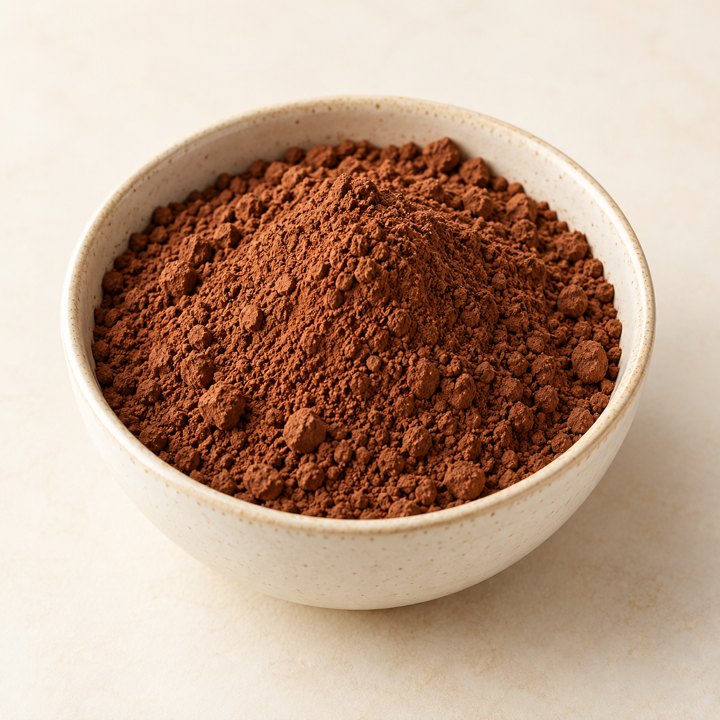
Cocoa powder is ground cocoa press cake after part of the bean’s fat has been removed. Unsweetened cocoa has no added sugar.
What it is and local names
Cocoa powder is ground cocoa press cake after part of the bean’s fat has been removed. Unsweetened cocoa has no added sugar. In Pakistan the name cocoa powder is usual; drinking chocolate and sweetened cocoa mixes are separate composite products.
Origins and documented history
Cacao use originated in the Americas and predates European chocolate manufacture. Pressed cocoa powder became important with nineteenth-century processing technology. That history is different from the ancient use of fermented cacao seeds and should not be collapsed into a single invention story.
Types and manufacture
Beans are fermented, dried, roasted, shelled and ground. Pressing separates cocoa butter from cake, which is milled into powder. Natural cocoa is acidic; alkalized or Dutch-process cocoa has been treated to change colour and flavour. Fat content also varies.
Reference: International Cocoa Organization: Processing Cocoa.
Production, trade and Pakistan
Côte d’Ivoire, Ghana, Ecuador and other tropical countries grow cocoa. Grinding and powder manufacture can occur elsewhere. Pakistan generally obtains cocoa ingredients through imports and food-manufacturing supply chains rather than a large domestic cacao-growing industry.
Reference: International Cocoa Organization: Production and origins FAQ; State Bank of Pakistan: Import of goods by commodity, 2025.
How to use it
Whisk with a little warm liquid or sugar first to disperse lumps before adding the rest. In cakes, match natural or alkalized cocoa to the recipe’s leavening system. Blooming in hot liquid deepens dispersion but does not remove the need to control bitterness.
Nutrition, benefits and limits
Unsweetened cocoa supplies fibre and minerals in concentrated form, but typical servings are small. Sweetened desserts made with it can still contain substantial sugar and fat. It is not a substitute for medical treatment.
Drawbacks, allergens and precautions
It contains stimulant compounds, including theobromine and some caffeine. Allergen cross-contact and heavy-metal control depend on the supplier; buy reputable food-grade stock. Do not confuse a pale surface clump with proof of contamination or proof of safety.
Substitutions and storage
Baking chocolate can replace cocoa only when fat and sugar are recalculated. Sweetened drink powder requires much more adjustment and may contain milk. Natural and Dutch-process powders are not always interchangeable in chemically leavened cakes.
Keep tightly sealed, dry and away from heat and odours. Use a dry spoon. Discard powder with mould, insect contamination or a rancid or musty smell.
Dispersing powder smoothly
Cocoa powder is dry and resists wetting if a large quantity is dumped into a jug of cold milk. Mix it first with a little sugar or a small amount of warm liquid to make a smooth paste, then whisk in the remainder. Sieve stubborn lumps before making a delicate icing. For a milkshake, prepare a small cocoa slurry or use the blender’s method rather than leaving dry islands on the surface. Sugar improves dispersion but also changes sweetness, so measure it as part of the recipe.
Natural and alkalized cocoa in baking
Natural cocoa and Dutch-process cocoa differ in acidity and colour. A cake recipe may rely on that acidity to react with baking soda; replacing it without checking the rest of the leavening system can change rise and flavour. When a recipe uses baking powder, substitutions can be more forgiving, but results still vary by formula. Strongly alkalized black cocoa gives a particularly dark colour and a different flavour. It should not be added merely to make every chocolate cake darker without considering the intended balance.
Cocoa fat and finished texture
Cocoa powders can contain different amounts of residual cocoa butter. A higher-fat powder may give a richer impression in a sauce or cake, while a lower-fat powder contributes a different balance of dry solids. The label or supplier’s specification is more informative than colour alone. A sweetened drinking mix may also contain milk powder, flavouring and considerable sugar. It therefore cannot replace unsweetened cocoa in equal weight while leaving the rest of a cake formula unchanged. Use a tested recipe when changing the type substantially.
Judging quality and keeping the flavour
Buy food-grade cocoa from a traceable supplier with suitable contaminant controls. Keep the opened packet dry and away from spices because the powder can pick up odours. A clean scoop prevents a small wet spot from contaminating the whole container. Normal colour ranges from reddish brown to deep brown depending on processing; colour alone does not prove purity or cocoa strength. Taste cocoa only in an appropriate prepared mixture because the dry powder is intensely bitter. Record the brand and type when a cake or hot chocolate has the balance you want.
Recipes and the Pakistani pantry
Use this ingredient in Chocolate Milkshake, Hot Chocolate, Chocolate Cake. Explore related ingredients in the Pakistani ingredients and spices pantry.
Names and forms used in our recipes
View the recipe names covered by this guide
- cocoa
- unsweetened cocoa
- unsweetened cocoa powder
Frequently Asked Questions
What should I check when buying cocoa?
Buy unsweetened cocoa and match natural or alkalized cocoa to the recipe. Sweetened drinking chocolate is a different blend.
What can replace cocoa in a recipe?
Baking chocolate can replace cocoa only when fat and sugar are recalculated. Sweetened drink powder requires much more adjustment and may contain milk.
How should cocoa be stored?
Keep tightly sealed, dry and away from heat and odours. Use a dry spoon.
Keep Exploring
Related places and stories on DailyLife.pk

How we know this
- Type Explainer
- Sources 5 (2 official/academic)
- Reviewed November 2026
- Disputed points None
