
Ingredients & Spices · The complete guide
Cloves (Laung)
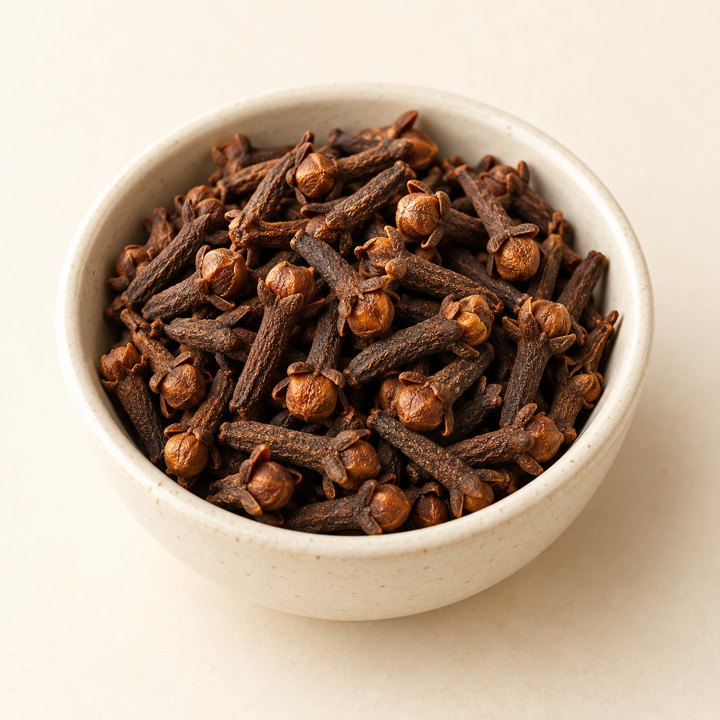
Cloves, laung, are the dried unopened flower buds of Syzygium aromaticum. The little nail-shaped spice has a penetrating, sweet, warming aroma associated with eugenol.
What it is and names to know
Cloves, laung, are the dried unopened flower buds of Syzygium aromaticum. The little nail-shaped spice has a penetrating, sweet, warming aroma associated with eugenol. Whole buds and fine powder have different measuring behaviour.
Origins, producing regions and Pakistan context
The tree is native to the Maluku Islands of Indonesia. Cloves were traded across Asia long before the European colonial spice trade. Their older regional use should not be credited to the later traders who sought control of production.
Indonesia, Madagascar, Tanzania, including Zanzibar, Sri Lanka and India have clove-growing traditions. Pakistani suppliers offer whole buds and ground products through international spice trade. The Netherlands is an importing, processing and re-exporting market for this spice group, as CBI explains; a Dutch dispatch address does not establish that a tropical crop was grown there.
Background: Spices Board: crop and ingredient reference.
Trade context: CBI: spice production and trade context.
Types and buying advice
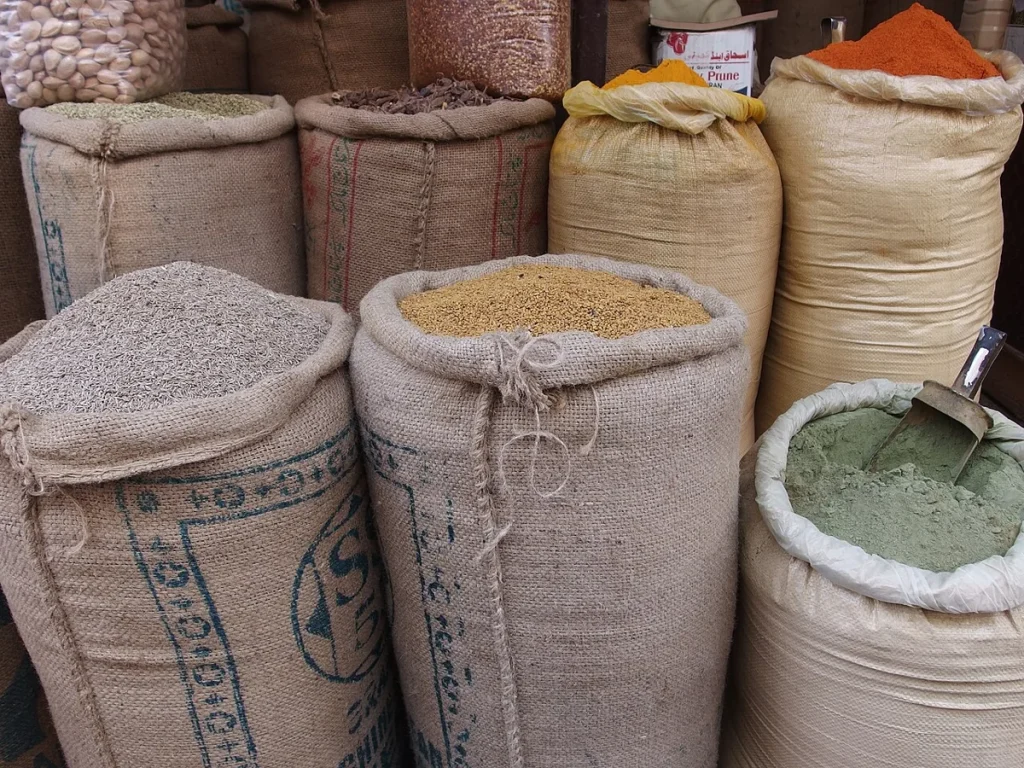
Look for intact aromatic buds rather than a packet mostly of stems and fragments. Buy powder in small quantities if used only occasionally.
How to cook with it
Use a few buds in biryani, pulao, yakhni, chai or a rich meat gravy. Ground clove belongs in small amounts in spice blends and baking, where its intensity is evenly dispersed.
Keep the number of whole buds modest and remove visible buds when serving children. If grinding a blend, weigh or count the cloves rather than treating a spoonful as a neutral addition.
Whole cloves are easy to count but can be difficult to see in dark gravy. A spice pouch helps when diners should not encounter them. In a fine blend, grind cloves with a larger quantity of other spices so the grinder can process them evenly. If a mixture smells overwhelmingly of clove, adjust it before adding to meat. Once dispersed, the spice cannot be removed, and extra chilli will not restore the missing aromatic balance.
Try the ingredient in Chicken Biryani, Haleem. Follow each recipes specified form and quantity, since whole pieces and fine powder season food differently.
For related pantry ingredients, see the Pakistani ingredients and spices guide.
For a rice pot, whole cloves can travel in the same spice pouch as peppercorns and cardamom. Remove it before fluffing the rice. In a ground blend, disperse the powder thoroughly through the other spices first so a tiny concentrated clove clump does not enter one serving.
Nutrition and realistic benefits
At the quantities usually used in a household dish, the main benefit is flavour rather than a large contribution of protein, vitamins or minerals. Composition tables often describe 100 grams, far more than an ordinary serving. A small seasoning quantity should not be advertised as a practical way to meet a daily mineral requirement. Aromatic food can help make simple lentils, vegetables and rice appealing, but the whole meals balance of ingredients, salt and fat still matters.
Disadvantages and precautions
Clove oil is concentrated and can harm when misused; it is not a cooking equivalent of whole cloves. Do not offer culinary cloves as treatment for tooth pain or infection.
Dry spices are not sterile foods. FDA food-safety guidance explains practical handling. Buying from a traceable food supplier is more dependable than trying to judge safety from appearance alone.
Substitutions and storage
Allspice provides related warmth. A tiny amount of cinnamon and nutmeg can be used, but neither supplies exactly the same aroma.
Keep in a clean, tightly closed food container in a cool dry cupboard, away from the cooker and direct sun. Whole pieces generally retain aroma better than the same spice left ground. Date the jar when opened and buy an amount you can use while fragrant. Crush a small sample periodically: fading aroma means weaker flavour, while dampness, insects or a musty smell are reasons to discard it. Never tip a wet spoon into a dry-spice jar.
Working with other forms of this ingredient
Ground cloves
Cloves, laung, are the dried unopened flower buds of Syzygium aromaticum. The little nail-shaped spice has a penetrating, sweet, warming aroma associated with eugenol. Whole buds and fine powder have different measuring behaviour.
Ground cloves distribute the flavour of laung very evenly. They are convenient for a fine masala and baking, but the powder is potent and cannot be removed once stirred in. Begin with a small pinch rather than a whole teaspoon.
Use a few buds in biryani, pulao, yakhni, chai or a rich meat gravy. Ground clove belongs in small amounts in spice blends and baking, where its intensity is evenly dispersed.
Keep the number of whole buds modest and remove visible buds when serving children. If grinding a blend, weigh or count the cloves rather than treating a spoonful as a neutral addition.
Whole cloves are easy to count but can be difficult to see in dark gravy. A spice pouch helps when diners should not encounter them. In a fine blend, grind cloves with a larger quantity of other spices so the grinder can process them evenly. If a mixture smells overwhelmingly of clove, adjust it before adding to meat. Once dispersed, the spice cannot be removed, and extra chilli will not restore the missing aromatic balance.
Try the ingredient in Chicken Mandi. Follow each recipes specified form and quantity, since whole pieces and fine powder season food differently.
For related pantry ingredients, see the Pakistani ingredients and spices guide.
Names and forms used in our recipes
View the recipe names covered by this guide
- cloves
- ground cloves
- whole cloves
Frequently Asked Questions
How do I keep whole cloves out of a serving?
Whole cloves are easy to count but can be difficult to see in dark gravy. A spice pouch helps when diners should not encounter them.
What can I use instead of cloves?
Allspice provides related warmth. A tiny amount of cinnamon and nutmeg can be used, but neither supplies exactly the same aroma.
What is the main caution with cloves?
Clove oil is concentrated and can harm when misused; it is not a cooking equivalent of whole cloves. Do not offer culinary cloves as treatment for tooth pain or infection.
Keep Exploring
Related places and stories on DailyLife.pk

How we know this
- Type Explainer
- Sources 5 (1 official/academic)
- Reviewed November 2026
- Disputed points None
5 sources
Photo credits (1)
- Spice market @ Walled City @ Lahore (15449651456).jpg, Guilhem Vellut from Annecy, France, CC BY 2.0, via Wikimedia Commons
