
Ingredients & Spices · The complete guide
Cinnamon (Dar chini)
Cinnamon or dar chini is aromatic inner bark from Cinnamomum trees. Ceylon cinnamon is Cinnamomum verum; cassia types include other species.
What it is and names to know
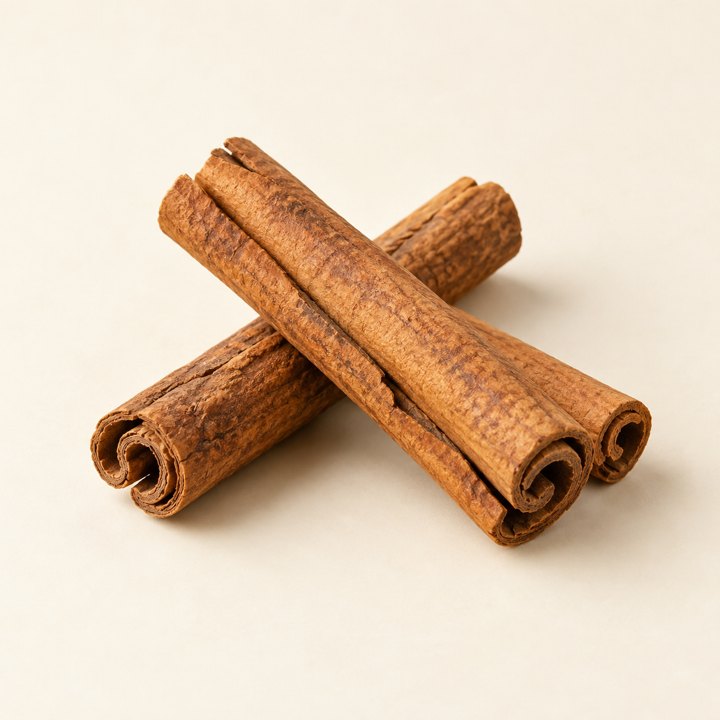
Cinnamon or dar chini is aromatic inner bark from Cinnamomum trees. Ceylon cinnamon is Cinnamomum verum; cassia types include other species. Thin layered Ceylon quills differ from the thick, hard bark commonly sold as cassia.
Origins, producing regions and Pakistan context
Cinnamon was known in ancient trade, including ancient Egyptian uses, long before European traders sought its sources. Botanical origin and the earliest surviving written mention are different questions; neither justifies inventing a discoverer.
Sri Lanka is strongly associated with Ceylon cinnamon. Cassia types are produced in countries including China, Indonesia and Vietnam. Pakistani retail bark may be sold simply as dar chini without species detail. The Netherlands is an importing, processing and re-exporting market for this spice group, as CBI explains; a Dutch dispatch address does not establish that a tropical crop was grown there.
Background: Spices Board: crop and ingredient reference.
Trade context: CBI: spice production and trade context.

Types and buying advice
Select thin layered Ceylon quills or thicker cassia bark deliberately. Ground spice needs a reliable species label because visual comparison is harder.
How to cook with it
Use a short piece in pulao, biryani, chai and meat masala; ground cinnamon suits carrot cake, porridge and sweet fillings. Remove large bark pieces from food before serving.
Choose bark by its aroma and the recipe rather than size alone. A small cassia piece can be assertive. Ground spice cannot be strained out and should be measured more carefully.
For a rice dish, measure a bark piece by the recipes approximate size but also consider the thickness and species. A tightly rolled Ceylon quill and a thick cassia shard do not weigh the same. In baking, disperse powder with the dry ingredients to avoid pockets. If a simmered dish becomes excessively woody, remove the bark promptly; sugar will not erase the flavour already extracted, although dilution with the unseasoned base can soften it.
Try the ingredient in Chicken Biryani, Carrot Cake, Aloo Biryani. Follow each recipes specified form and quantity, since whole pieces and fine powder season food differently.
For related pantry ingredients, see the Pakistani ingredients and spices guide.
In chai, simmer a short bark piece with the liquid, then strain along with the tea leaves. Powder behaves differently: it remains suspended or settles in the cup rather than infusing cleanly. Choose the whole form when a clear strained drink is the goal.
Nutrition and realistic benefits
At the quantities usually used in a household dish, the main benefit is flavour rather than a large contribution of protein, vitamins or minerals. Composition tables often describe 100 grams, far more than an ordinary serving. A small seasoning quantity should not be advertised as a practical way to meet a daily mineral requirement. Aromatic food can help make simple lentils, vegetables and rice appealing, but the whole meals balance of ingredients, salt and fat still matters.
Disadvantages and precautions
Cassia can contain substantially more coumarin than Ceylon cinnamon. Routine culinary use differs from repeated large doses; cinnamon is not an established diabetes treatment.
Dry spices are not sterile foods. FDA food-safety guidance explains practical handling. Buying from a traceable food supplier is more dependable than trying to judge safety from appearance alone.
Substitutions and storage
Other warm spices can support a dish, but cloves and nutmeg are stronger and should not replace cinnamon in equal amounts. Omission is reasonable in a complex savoury masala.
Keep in a clean, tightly closed food container in a cool dry cupboard, away from the cooker and direct sun. Whole pieces generally retain aroma better than the same spice left ground. Date the jar when opened and buy an amount you can use while fragrant. Crush a small sample periodically: fading aroma means weaker flavour, while dampness, insects or a musty smell are reasons to discard it. Never tip a wet spoon into a dry-spice jar.
Working with other forms of this ingredient
Ground cinnamon
Cinnamon or dar chini is aromatic inner bark from Cinnamomum trees. Ceylon cinnamon is Cinnamomum verum; cassia types include other species. Thin layered Ceylon quills differ from the thick, hard bark commonly sold as cassia.
Ground cinnamon is finely milled Cinnamomum bark. Species identification is harder after grinding, so a Ceylon or cassia label is useful. Add to cake batter or sweet filling rather than expecting to remove it as you would a whole bark piece.
Use a short piece in pulao, biryani, chai and meat masala; ground cinnamon suits carrot cake, porridge and sweet fillings. Remove large bark pieces from food before serving.
Choose bark by its aroma and the recipe rather than size alone. A small cassia piece can be assertive. Ground spice cannot be strained out and should be measured more carefully.
For a rice dish, measure a bark piece by the recipes approximate size but also consider the thickness and species. A tightly rolled Ceylon quill and a thick cassia shard do not weigh the same. In baking, disperse powder with the dry ingredients to avoid pockets. If a simmered dish becomes excessively woody, remove the bark promptly; sugar will not erase the flavour already extracted, although dilution with the unseasoned base can soften it.
Try the ingredient in Haldi Doodh. Follow each recipes specified form and quantity, since whole pieces and fine powder season food differently.
For related pantry ingredients, see the Pakistani ingredients and spices guide.
Names and forms used in our recipes
View the recipe names covered by this guide
- cinnamon
- cinnamon stick
- cinnamon stick, approximately 5 cm
- ground cinnamon
- small cinnamon stick
Frequently Asked Questions
Does every cinnamon stick have the same strength?
For a rice dish, measure a bark piece by the recipes approximate size but also consider the thickness and species. A tightly rolled Ceylon quill and a thick cassia shard do not weigh the same.
What can I use instead of cinnamon?
Other warm spices can support a dish, but cloves and nutmeg are stronger and should not replace cinnamon in equal amounts. Omission is reasonable in a complex savoury masala.
What is the main caution with cinnamon?
Cassia can contain substantially more coumarin than Ceylon cinnamon. Routine culinary use differs from repeated large doses; cinnamon is not an established diabetes treatment.
Keep Exploring
Related places and stories on DailyLife.pk

How we know this
- Type Explainer
- Sources 6 (2 official/academic)
- Reviewed November 2026
- Disputed points None
6 sources
Photo credits (1)
- Spice market @ Walled City @ Lahore (15449651456).jpg, Guilhem Vellut from Annecy, France, CC BY 2.0, via Wikimedia Commons
