
Ingredients & Spices · The complete guide
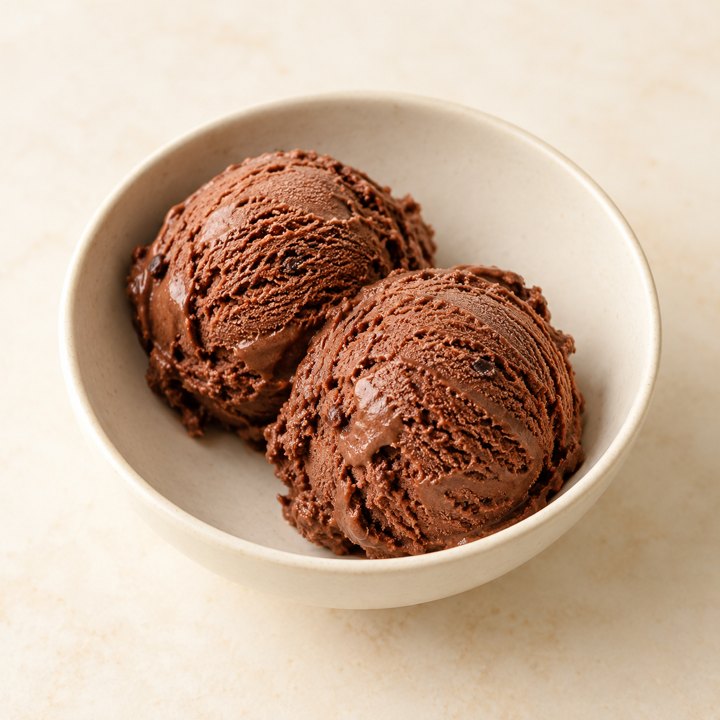
Chocolate ice cream
Chocolate ice cream is a frozen dairy dessert flavoured with cocoa or chocolate, generally containing added sugar and air incorporated during freezing. Frozen desserts made with vegetable fat can be sold separately and need label checking.
What it is and what to ask for
Chocolate ice cream is a frozen dairy dessert flavoured with cocoa or chocolate, generally containing added sugar and air incorporated during freezing. Frozen desserts made with vegetable fat can be sold separately and need label checking.
Check for milk, egg, soy, nuts or shared-equipment warnings and verify halal suitability of emulsifiers and flavour carriers where relevant. Ice crystals can indicate quality loss from temperature fluctuation.
History, production and the Pakistan context
Ice cream developed through several stages of chilled and frozen dessert making. Refrigeration and industrial freezers made consistent chocolate versions widely available; no single person invented all chocolate ice cream.
Pakistan makes ice cream locally, while multinational and regional brands sell across many countries. Local manufacture versus import matters less than an intact frozen supply chain and a clear ingredient label.
How to use it successfully
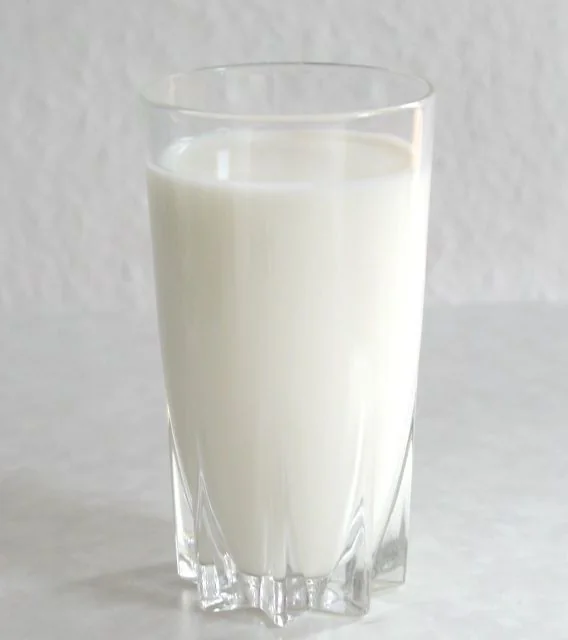
For a chocolate milkshake, soften only enough to scoop and add milk gradually. A product with a high air content gives a lighter shake, while dense premium ice cream needs less additional liquid.
Cocoa bitterness, added chocolate pieces and sweetness vary by brand. Taste the ice cream before adding chocolate syrup to a milkshake, since an already sweet product can become cloying. Small scoops blend faster than a hard block, reducing the need for extra milk and preserving the thick texture that the recipe is designed to deliver.
Nutrition, benefits and limits
Treat it as dessert rather than a primary calcium or protein strategy. Added sugar, saturated fat and serving size matter more than the presence of antioxidant compounds in cocoa.
Choosing a replacement
Vanilla ice cream plus cocoa changes sweetness and cocoa intensity; a dairy-free chocolate frozen dessert works only if its label meets the dietary requirement.
When changing a dairy product, compare moisture, fat, acidity, sweetness and whether it must melt, whip or hold its shape. Preserve the recipe’s functional balance rather than only the spoonful count. A substitute should also meet the household’s actual dietary requirement; similar texture does not establish identical allergen suitability.
Safe handling and storage
Keep the tub fully frozen according to its label and take out only the portion needed for serving. Use a clean scoop and close the lid promptly. Large ice crystals or a collapsed texture can indicate temperature fluctuation, but appearance alone cannot reconstruct how long a melted tub was warm.
Do not refreeze ice cream that has substantially melted or been held unsafely warm. Portioning into chilled bowls reduces the time the main container sits out during a meal. A milkshake made with ice cream becomes a perishable dairy drink; it should not be left on a desk for hours simply because one ingredient began frozen.
Read the full ingredient list for milk, eggs, nuts, soy and other additions, along with halal suitability where needed. A vegetable-fat frozen dessert can still contain milk solids, so its name does not establish that it is dairy-free. Compare nutrition by the same weight or clearly defined serving, because air content affects the size of a scoop. Pair dessert with a varied overall diet rather than treating flavour ingredients as a health claim.
Planning, portions and serving
For a milkshake, cold milk and a chilled glass help retain thickness without using more ice cream simply to counter warm equipment. Blend only until smooth; a long blend warms and thins the mixture. Add toppings in portions rather than pouring syrup into the glass without measuring. If serving alongside a rich cake, a smaller scoop can provide temperature and texture contrast without turning the whole dessert into an oversized combination.
Recipes and pantry links
Use chocolate ice cream according to the form specified in the linked recipe: raw versus cooked, bone-in versus boneless, sweetened versus plain, and the stated cut or processing style all affect the result. The ingredient discussion above explains which differences matter most here. Read the complete recipe before shopping, then measure the prepared usable quantity rather than assuming every package has the same yield.
For related ingredient names, local terminology and flavour pairings, browse the Pakistani ingredients and spices pantry guide.
Names and forms used in our recipes
View the recipe names covered by this guide
- chocolate ice cream
Frequently Asked Questions
Do I need chocolate syrup in a chocolate milkshake?
Not always. Taste the ice cream first: cocoa intensity and sweetness vary. Add milk gradually and use syrup only if the desired chocolate flavour cannot be achieved without making the drink excessively sweet.
What should I check before buying chocolate ice cream for these recipes?
Check for milk, egg, soy, nuts or shared-equipment warnings and verify halal suitability of emulsifiers and flavour carriers where relevant. Ice crystals can indicate quality loss from temperature fluctuation. Match the stated plain or flavoured form and read the storage directions before opening the pack.
What is a practical substitute for chocolate ice cream?
Vanilla ice cream plus cocoa changes sweetness and cocoa intensity; a dairy-free chocolate frozen dessert works only if its label meets the dietary requirement. Make a small test where binding, melting or a delicate final texture is central, and adjust the recipe rather than treating different ingredients as identical.
Keep Exploring
Related places and stories on DailyLife.pk

How we know this
- Type Explainer
- Sources 8 (3 official/academic)
- Reviewed November 2026
- Disputed points None
8 sources
- FAO: dairy product types and characteristics
- FAO: milk processing
- FAO: traditional milk products in developing countries
- FAO: milk and dairy products in human nutrition
- OECD–FAO: dairy production and trade context
- FDA: raw milk questions and answers
- NIDDK: lactose intolerance definition and facts
- FDA: food allergies
Photo credits (1)
- Milk glass.jpg, Stefan Kühn, CC BY-SA 3.0, via Wikimedia Commons
