
Ingredients & Spices · The complete guide
Chicken lollipops
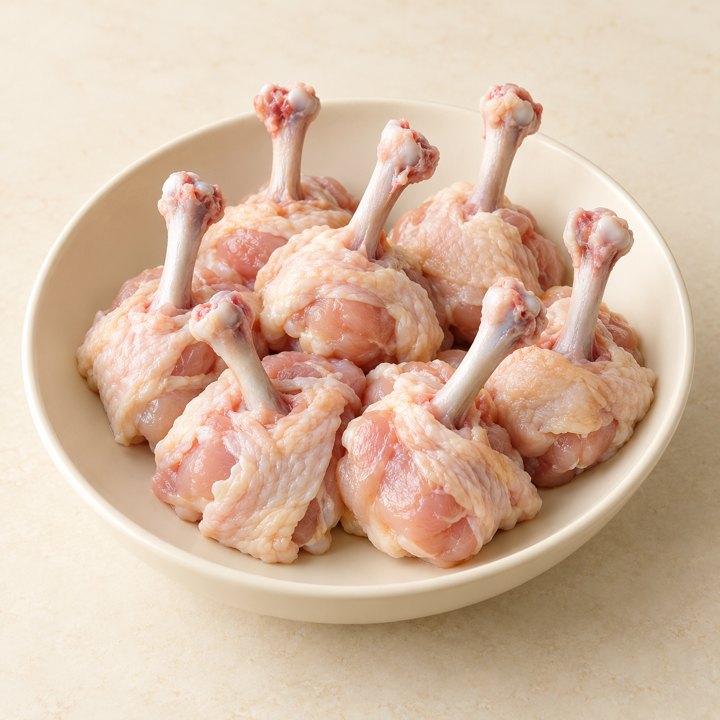
Chicken lollipops are prepared wing portions with meat pushed toward one end of the bone. They are a butchered presentation, not a special breed or an already cooked snack.
What it is and what to ask for
Chicken lollipops are prepared wing portions with meat pushed toward one end of the bone. They are a butchered presentation, not a special breed or an already cooked snack.
Ask whether the pieces are raw or ready to heat. Check for sharp splinters after trimming, and count actual pieces because a weight dominated by bone gives a different edible yield.
History, production and the Pakistan context
The lollipop shape became associated with restaurant and Indo-Chinese appetiser cooking. Its precise first maker is not securely documented, so a specific inventor should not be claimed.
The raw material comes from ordinary chicken production in Pakistan and other poultry-producing countries. Packaged restaurant-style products may be raw, marinated or partially cooked.
How to use it successfully
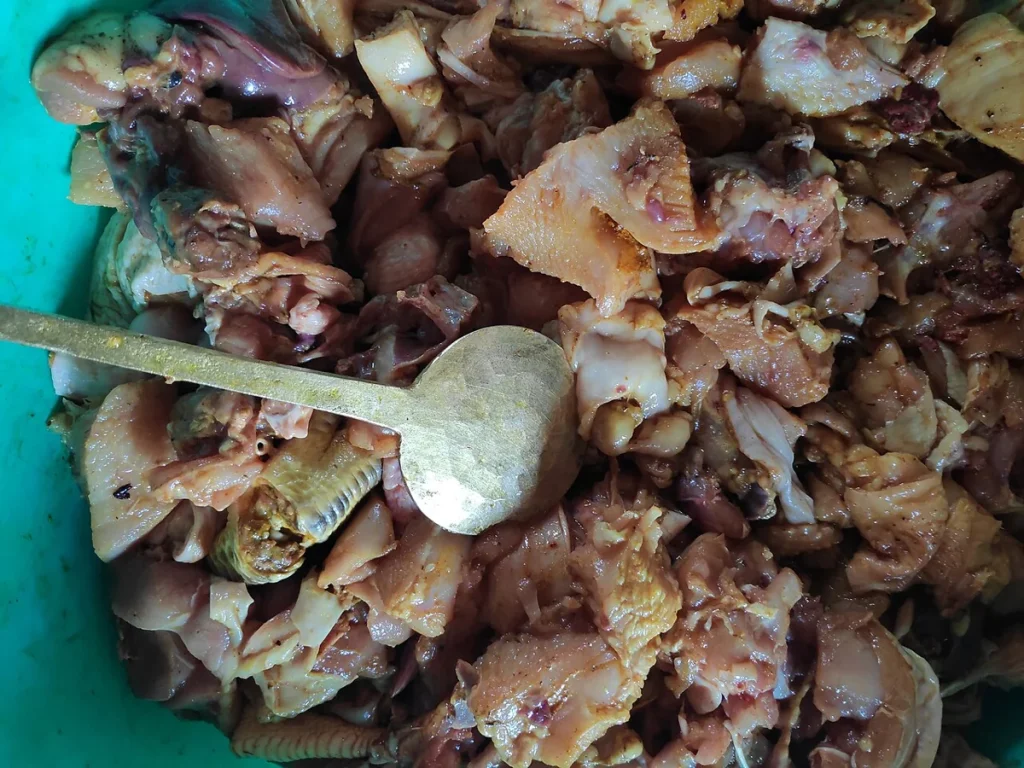
Dry the prepared pieces before coating and leave room in the frying pan. The compact ball of meat can cook more slowly than its browned crust suggests, so verify the centre rather than judging by the exposed bone.
Prepared lollipops can vary greatly in size even within one pack. Group similar pieces so smaller ones do not overcook while the largest remains underdone. A wet marinade needs draining before a dry coating is applied. Keep the exposed bone handle free of pooled batter where possible, then present cooked pieces on a clean serving plate.
Nutrition, benefits and limits
Chicken contributes protein, while batter and absorbed frying oil add energy. A small bone handle does not make the fried portion nutritionally small, and sauces may add considerable sodium.
Choosing a replacement
Ordinary wing drumettes are the closest practical substitute. Boneless thigh chunks make an easier appetiser but lack the handle and require adjusted portioning.
When changing the cut, compare tenderness, fat, bone content and whether the meat will be chopped or kept whole. Preserve the recipe’s cooking logic rather than only its ingredient weight. A replacement can be successful without tasting identical, but its own safe cooking guidance must still be followed.
Safe handling and storage
Keep raw poultry in a covered leakproof container on a low refrigerator shelf, separate from salads and ready-to-eat food. USDA advises using or freezing raw chicken within one to two days. Thaw in the refrigerator rather than on a warm kitchen counter; reserve enough time for the centre of a thick piece or whole bird to thaw.
Do not wash raw chicken under running water, which can spread contaminated droplets around the sink. Wash hands and clean the board, knife and worktop after preparation. Keep a portion of marinade separate before raw poultry enters it if that portion will be served as a sauce; a used raw-meat marinade needs an appropriate cooking step.
FoodSafety.gov specifies 74°C/165°F for chicken, including whole birds and pieces. Measure in the thickest edible part away from bone, checking more than one location for a whole bird. Refrigerate cooked portions promptly in shallow containers rather than leaving a large hot pot on the counter. Properly chilled cooked chicken is generally kept for three to four days under USDA guidance.
Planning, portions and serving
Keep a clear distinction between preparation tools and service tools: the raw bone handle can carry juices even though diners later hold the cooked one. Wipe the serving platter clean and use fresh tongs. A dry spice coating, a batter and a sticky glaze each give a different result, so avoid applying all three heavily without a recipe. Serve a modest portion with a fresh dip and vegetables rather than making the coating the main bulk.
Recipes and pantry links
Use chicken lollipops according to the form specified in the linked recipe: raw versus cooked, bone-in versus boneless, sweetened versus plain, and the stated cut or processing style all affect the result. The ingredient discussion above explains which differences matter most here. Read the complete recipe before shopping, then measure the prepared usable quantity rather than assuming every package has the same yield.
For related ingredient names, local terminology and flavour pairings, browse the Pakistani ingredients and spices pantry guide.
Names and forms used in our recipes
View the recipe names covered by this guide
- prepared chicken wing lollipops
Frequently Asked Questions
Are shop-bought chicken lollipops already cooked?
Not necessarily. The name usually describes a shaped wing portion, and it may be raw or only marinated. Check the pack or butcher and verify full cooking in the thick ball of meat.
What should I check before buying chicken lollipops for these recipes?
Ask whether the pieces are raw or ready to heat. Check for sharp splinters after trimming, and count actual pieces because a weight dominated by bone gives a different edible yield. Keep the recipe’s cut and prepared weight in mind, because changing them affects cooking and serving yield.
What is a practical substitute for chicken lollipops?
Ordinary wing drumettes are the closest practical substitute. Boneless thigh chunks make an easier appetiser but lack the handle and require adjusted portioning. Make a small test where binding, melting or a delicate final texture is central, and adjust the recipe rather than treating different ingredients as identical.
Keep Exploring
Related places and stories on DailyLife.pk

How we know this
- Type Explainer
- Sources 6 (4 official/academic)
- Reviewed November 2026
- Disputed points None
6 sources
Photo credits (1)
- Chicken Meat.jpg, Gaurav Dhwaj Khadka, CC BY-SA 4.0, via Wikimedia Commons
