
Ingredients & Spices · The complete guide
Celery
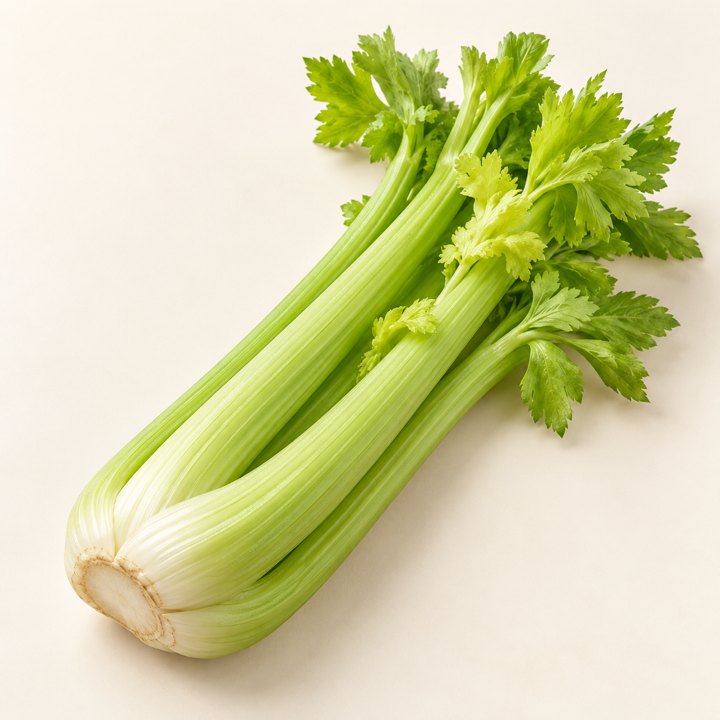
Celery is Apium graveolens, grown here for its crisp petioles or stalks, rather than celeriac root. Its eating character is crisp, salty-tasting and strongly aromatic.
What is celery? Names, flavour and types
Celery is Apium graveolens, grown here for its crisp petioles or stalks, rather than celeriac root. Its eating character is crisp, salty-tasting and strongly aromatic.
The main forms to recognise are green stalk celery, pale blanched types and leaf celery with thinner stems. Choose the form and ripeness specified by the recipe.
Origins, cultivation and the Pakistan market
Wild relatives occur around the Mediterranean and western Asia; cultivated stalk forms followed older aromatic and medicinal uses. The relevant botanical or crop background is documented in Apium graveolens L. | Plants of the World Online | Kew Science.
Growing conditions and producing countries: A cool-season crop needing reliable water; China, Spain, Italy and the United States cultivate it. Specialty shops may carry imported or locally grown stalks; ajmod seeds are a different ingredient. Fresh, frozen and canned versions are separate market products. The best choice depends on the intended texture and whether the product is already cooked, salted or packed in liquid. Compare usable trimmed weight as well as purchase price when deciding between them.

How to prepare, cook and substitute it
Separate stalks to wash trapped soil; pull coarse strings from mature stalks. Cut diagonally for chicken cashew nuts and cook briefly to preserve crunch
Tender leaves can flavour stock, soup or a garnish, but their aroma is stronger than that of the pale stalk. Coarse strings are unpleasant in a quickly cooked stir-fry and can be pulled away before slicing. Thin diagonal cuts shorten any remaining fibres. Wash the base particularly carefully because several stalks overlap there. Do not mistake celery leaf for coriander in an allergy-sensitive meal: their flavours, botanical identity and allergen implications differ even if both appear as small green additions.
Prepare pieces of similar thickness and decide whether the dish needs a crisp bite or a fully softened texture. In a stir-fry, water left on washed ingredients can cool the pan and dilute the sauce. In a soup or curry, a little extra moisture may instead be useful. Keep the prepared ingredient separate from raw meat until the recipe’s cooking stage, and use clean utensils for the final garnish. A small test portion can establish cooking time when the available market variety is unfamiliar or noticeably more mature than usual.
A useful starting substitute is fennel bulb for aromatic crunch, or cucumber in a cold salad with milder flavour. Adjust the recipe for the replacement’s texture and moisture.
Buying and storing it well
Look for firm ribs and fresh leaf tips without brown wet bases. Buy an amount that can be used while its texture is still suitable for the intended dish. Trim away ordinary damaged portions where appropriate, but reject a product showing active decay or an abnormal smell rather than hiding it in a strongly spiced preparation.
For storage, refrigerate wrapped to retain moisture while avoiding pooled water. Keep prepared portions separate from unwashed produce and raw animal foods. Use a clean covered container for cut or cooked food, and label frozen portions so the oldest batch is used first. The condition at purchase, kitchen temperature and packaging all affect keeping quality; a fixed number of days is not a guarantee of safety.
Nutrition, benefits and practical cautions
The nutritional contribution is water, a little fibre and vitamin K; ordinary portions are not a detox treatment. USDA FoodData Central distinguishes raw, cooked, dried and processed forms. Recipe totals must also account for added oil, cream, sugar or syrup.
Celery is an important recognised allergen; cooking does not make it reliably safe for allergic people. Its role in a balanced meal depends on portion size and preparation. Whole foods and concentrated supplements are different products and should not be treated as interchangeable.
Recipes using celery
Use the linked recipes to match preparation to the finished dish. Check whether the ingredient quantity means whole purchased weight, peeled edible weight, drained weight or a cooked portion before shopping. This is especially helpful when a recipe needs a thick filling or a carefully balanced drink.
For related Urdu names, pantry ingredients and cooking combinations, see the Pakistani ingredients and spices guide.
Names and forms used in our recipes
View the recipe names covered by this guide
- celery
Frequently Asked Questions
Can celery leaves and strings be used in cooking?
Tender leaves can flavour stock, soup or a garnish, but their aroma is stronger than that of the pale stalk. Coarse strings are unpleasant in a quickly cooked stir-fry and can be pulled away before slicing. Thin diagonal cuts shorten any remaining fibres. Wash the base particularly carefully because several stalks overlap there. Do not mistake celery leaf for coriander in an allergy-sensitive meal: their flavours, botanical identity and allergen implications differ even if both appear as small green additions.
How should I store celery?
Refrigerate wrapped to retain moisture while avoiding pooled water.
What should I consider before serving celery?
Celery is an important recognised allergen; cooking does not make it reliably safe for allergic people.
Keep Exploring
Related places and stories on DailyLife.pk

How we know this
- Type Explainer
- Sources 6 (2 official/academic)
- Reviewed November 2026
- Disputed points None
6 sources
Photo credits (1)
- I-11 Sabze Mande, Islamabad.jpg, Pakieditor, CC BY-SA 4.0, via Wikimedia Commons
