
Ingredients & Spices · The complete guide
Brewed coffee
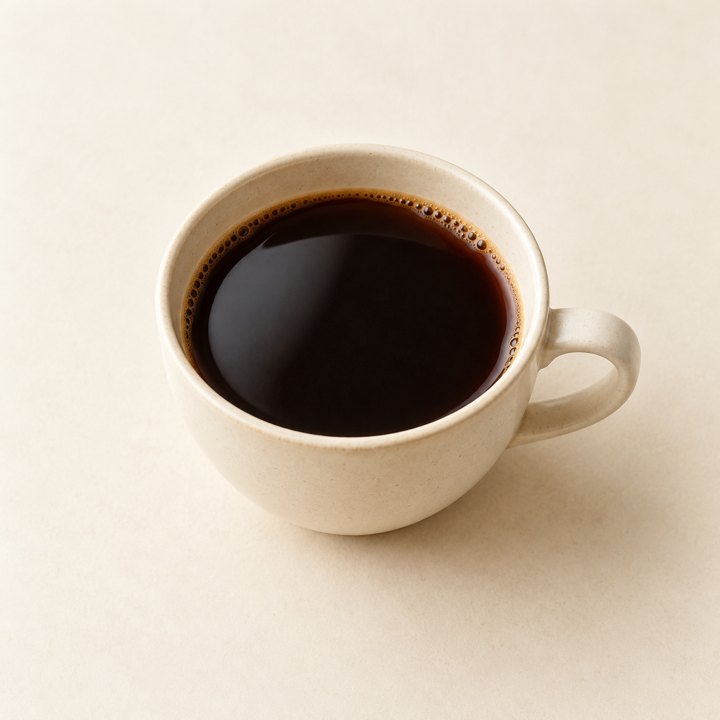
Brewed coffee is a liquid extract of roasted ground coffee. This entry covers strong brewed coffee and espresso used in drinks or desserts.
What it is and local names
Brewed coffee is a liquid extract of roasted ground coffee. This entry covers strong brewed coffee and espresso used in drinks or desserts. In Pakistani cafés, espresso names a pressure-brewed preparation; it is not a botanical variety or a synonym for instant granules.
Origins and documented history
Coffee’s botanical history centres on northeastern Africa, while documented coffee drinking and cultivation became established around Yemen and the Red Sea. Espresso belongs to much later machine development in Italy. The familiar goat-herder discovery tale should be treated as a story.
Reference: Kew Plants of the World Online: Coffea arabica; World Coffee Research: Yemeni coffee and its genetic diversity.
Types and manufacture
Water extracts soluble compounds from grounds through immersion, filtration or pressurized brewing. Espresso produces a small concentrated serving; a filter brew is more dilute. Cold brew uses a different extraction schedule, while instant coffee is dried brewed extract.
Production, trade and Pakistan
Beans come from coffee-growing countries such as Brazil, Vietnam, Colombia and Ethiopia. Pakistan roasts and serves imported coffee in cafés and homes; brewing in Pakistan does not make the underlying coffee a locally grown crop.
Reference: FAO: Coffee, markets and trade; State Bank of Pakistan: Import of goods by commodity, 2025.
How to use it
Use a measured strong brew in latte, iced latte or alcohol-free tiramisu. Cool coffee before soaking biscuits or combining it with chilled cream. A large weak brew can add too much water to a dessert that expects a small espresso.
Nutrition, benefits and limits
Plain brewed coffee has little energy. Milk and syrups change that profile. Caffeine content varies widely, so a recipe cannot reliably infer an exact dose from the word espresso alone.
Drawbacks, allergens and precautions
People sensitive to caffeine may experience poor sleep, anxiety or palpitations. Milky coffee is perishable. Clean brewing equipment matters because retained grounds and oils deteriorate and spoil flavour.
Substitutions and storage
Dissolved instant coffee can replace brewed coffee in a dessert when adjusted to the same liquid quantity and suitable strength. Decaffeinated coffee preserves much of the roasted flavour where caffeine is unwanted.
Brew close to use for best aroma. If preparing an iced drink, cool promptly in a clean covered container. Refrigerate milk-containing leftovers promptly and avoid keeping coffee warm for prolonged periods.
Matching extraction to the drink
Coffee strength describes how concentrated the drink is; extraction describes how much soluble material has moved out of the grounds. Increasing the dose can make a cup stronger without correcting an unsuitable grind. Very fine particles in a slow brewing method often give muddy, harsh results, while coarse particles in a brief method can give a thin cup. Change one variable at a time, using the same water and cup size. This is more useful than assuming that a dark colour or a thick crema guarantees a better extraction.
Cooking with coffee
In a milk drink, add the coffee to a measured amount of milk, then sweeten after tasting. For cakes and creams, cool brewed coffee before adding it to temperature-sensitive ingredients. A hot splash can melt whipped cream or soften butter unevenly. In a soaked dessert, apply coffee gradually: biscuits continue absorbing liquid after the surface looks wet. In chocolate recipes, a small amount can deepen the roasted flavour; a large amount changes the dessert into a coffee dessert. Record the strength used so that the next batch is comparable.
Caffeine and dietary context
Plain coffee contributes very little energy until milk, sugar, cream or flavoured syrup is added. It contains caffeine, and the amount depends on bean type, dose, preparation and serving size. A small espresso is concentrated, but a large mug can contain more total caffeine. Decaffeinated coffee is not necessarily caffeine-free. People who find coffee disrupts sleep, causes palpitations or aggravates reflux can reduce the serving or choose decaffeinated products. Total caffeine includes tea, cola, chocolate and supplements as well as coffee; individual tolerance and medical advice matter.
Water and serving temperature
Use potable water and clean brewing equipment; stale oils on a filter holder or grinder can spoil a fresh batch. A paper filter gives a different body from a metal screen because it retains more fine particles and oils. Serve freshly prepared coffee, or cool it promptly in a clean covered container if it will become an iced drink. Leaving a milky coffee warm on a counter is a food-safety issue as well as a flavour problem. For an iced latte, cool the coffee first or allow explicitly for the ice that the hot coffee will melt.
Recipes and the Pakistani pantry
Use this ingredient in Latte, Iced Latte, Tiramisu Alcohol Free. Explore related ingredients in the Pakistani ingredients and spices pantry.
Names and forms used in our recipes
View the recipe names covered by this guide
- espresso coffee
- fresh espresso
- strong brewed coffee
Frequently Asked Questions
What should I check when buying brewed coffee?
Use a cleanly prepared brew of the strength the recipe needs. Espresso and a large weak filter coffee add different amounts of water.
What can replace brewed coffee in a recipe?
Dissolved instant coffee can replace brewed coffee in a dessert when adjusted to the same liquid quantity and suitable strength. Decaffeinated coffee preserves much of the roasted flavour where caffeine is unwanted.
How should brewed coffee be stored?
Brew close to use for best aroma. If preparing an iced drink, cool promptly in a clean covered container.
Keep Exploring
Related places and stories on DailyLife.pk

How we know this
- Type Explainer
- Sources 6 (3 official/academic)
- Reviewed November 2026
- Disputed points None
