
Ingredients & Spices · The complete guide
Breadcrumbs
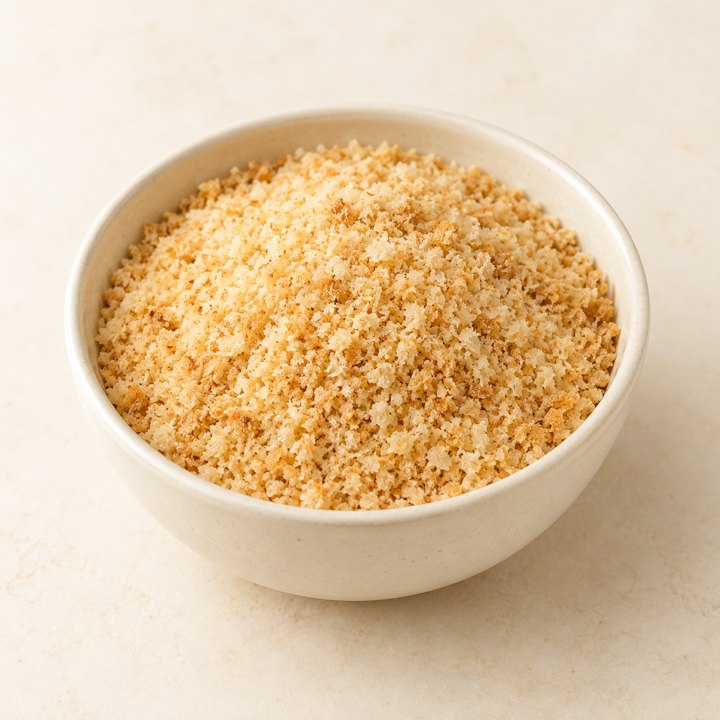
Breadcrumbs are small particles of bread used for coating, binding or topping. Plain dry crumbs differ from fresh soft crumbs and airy panko.
What it is and names used in Pakistan
Breadcrumbs are small particles of bread used for coating, binding or topping. Plain dry crumbs differ from fresh soft crumbs and airy panko.
Origin and historical context
They developed as a practical way to reuse sound bread in many cuisines; no credible single inventor applies to this broad ingredient.
Types, manufacture and buying
Commercial crumbs come from baked bread dried and milled to selected sizes. Home crumbs can be made from completely dried bread; seasoned packs may include herbs, cheese or flavourings.
Match crumb size to the intended result. Fine crumbs make a more continuous coating or smooth binder; larger flakes create a rougher crisp surface. Plain products offer more seasoning control than cheese- or herb-flavoured versions. Read the full bread ingredient list where available, because crumbs can carry milk, egg, sesame, soy and wheat from their source loaf. A product called golden may have seasoning or colour added. Compare dry products with other dry products; fresh crumbs contain more water and should not be substituted blindly by weight.
Reference: Kikkoman: Panko ingredients and product description.
Production, trade and the Pakistani pantry
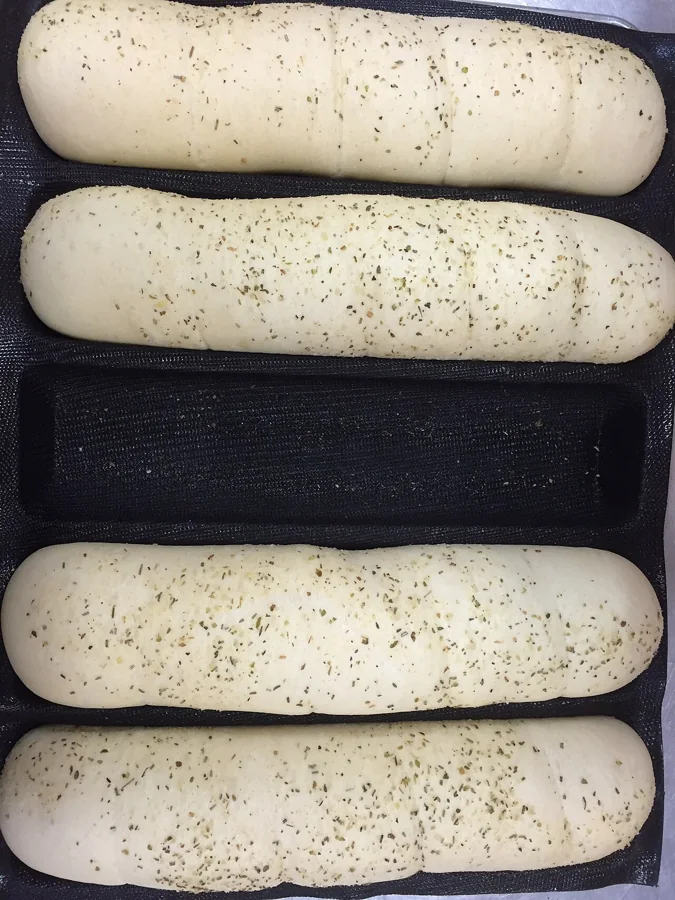
Bakeries and food factories produce crumbs wherever bread is made, including Pakistan; imported panko is a distinct alternative.
Cooking uses and practical substitutions
Use dry crumbs for fish fingers; add gradually to vegetable kofta until the mixture holds. A binder should not overwhelm the vegetables. Crushed crackers can coat food, but adjust salt; fresh crumbs absorb differently.
For a coating, dry the food’s surface, apply any flour and wet binder in an even thin layer, then press on the crumbs. Leave excess loose crumbs behind so they do not burn in the pan. For a kofta or patty binder, add gradually and allow a short rest before deciding whether more is needed; hydration changes the texture. A large addition can make a mixture heavy. When topping a bake, a small amount of fat helps browning, but monitor closely because dry crumbs can scorch before the filling heats fully.
Nutrition, benefits and limitations
Crumbs are bread in a smaller physical form, so their nutrients depend on the flour and recipe used. Refined wheat versions provide mostly carbohydrate with some protein, while wholegrain versions can contain more fibre. A fluffy volume does not necessarily mean fewer calories by weight. Deep frying introduces additional fat and depends on coating, temperature and handling. For someone avoiding gluten, using a verified gluten-free crumb is only one step: flour dusting, wet binders, shared oil and preparation surfaces also need to be compatible.
Wheat is usual, while milk, egg, sesame and other ingredients depend on the original bread. Gluten-free crumbs need verified labelling.
Practical notes and common mistakes
For fish fingers, set up separate dishes for flour, wet coating and crumbs, then keep one hand mostly dry to avoid making sticky clumps. Press the crumbs on gently rather than burying the food in a thick loose layer. For kofta, cook a small test piece after adding a modest quantity of crumbs; it reveals whether the mix holds and whether the seasoning needs adjustment. More crumbs are not always the answer to a wet mixture: draining the vegetables may produce a better texture.
Storage and safe handling
Dry crumbs need an airtight container in a cool dry place, away from steam and insects. Homemade crumbs should be fully dried and cooled before sealing; residual moisture shortens keeping quality. Fresh soft crumbs should be refrigerated briefly or frozen rather than treated like a dry cupboard ingredient. Discard musty, mouldy or rancid crumbs. Once crumbs have contacted raw meat, fish, egg or a wet coating mixture, do not return them to the clean storage jar. Keep a small working portion separate and discard contaminated leftovers.
Recipes and related pantry reading
Use the form and quantity specified in each recipe, then adjust for the concentration, salt and moisture of the product you have bought. These dishes show where the ingredient fits in a complete preparation.
For related local names and pantry ingredients, see the Pakistani ingredients and spices guide.
Names and forms used in our recipes
View the recipe names covered by this guide
- breadcrumbs
- dry breadcrumbs
- plain dry breadcrumbs
Frequently Asked Questions
Can dry and fresh breadcrumbs be exchanged equally?
Not reliably. Their moisture and absorption differ, especially when binding a kofta or patty.
What should I do with crumbs used on raw fish?
Discard the contaminated working portion; never return it to the clean storage container.
Keep Exploring
Related places and stories on DailyLife.pk

How we know this
- Type Explainer
- Sources 3 (1 official/academic)
- Reviewed November 2026
- Disputed points None
3 sources
Photo credits (1)
- Bread Dough.jpg, Krish Dulal, CC BY-SA 4.0, via Wikimedia Commons
