
Ingredients & Spices · The complete guide
Boiled eggs
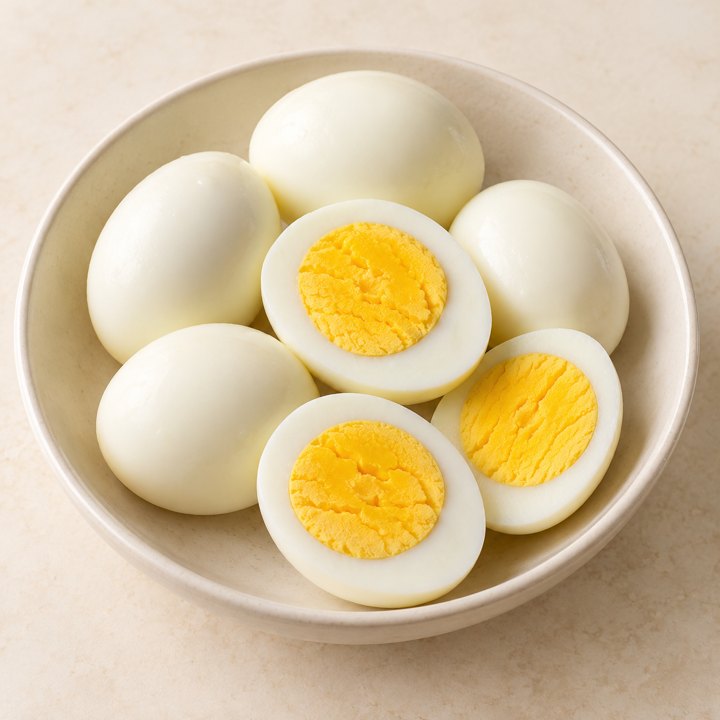
Boiled eggs are hen eggs cooked in their shells until the white and yolk set. Ublay anday are used whole, halved or chopped; this entry means hard-boiled eggs, not soft-centred eggs.
What it is and what to ask for
Boiled eggs are hen eggs cooked in their shells until the white and yolk set. Ublay anday are used whole, halved or chopped; this entry means hard-boiled eggs, not soft-centred eggs.
Start with uncracked eggs and clean handling. Very fresh eggs can be harder to peel; a damaged shell after boiling is a storage concern rather than a reason to extend time at room temperature.
History, production and the Pakistan context
Egg eating is older than modern poultry farming. Shell boiling is a simple cooking process developed in many places, so there is no defensible single inventor.
Pakistan, China, India and the United States maintain poultry and egg industries. Once cooked and peeled, an egg is a perishable prepared food rather than a shelf-stable pantry ingredient.
How to use it successfully
Lower eggs gently into the pot and cool after cooking. For murgh musallam, cook and peel them separately before using them as a filling, so that the chicken and eggs can each receive appropriate treatment.
Rapid cooling makes handling easier and helps stop residual cooking. Peel with clean hands and keep the eggs covered after peeling so their surfaces do not dry or pick up refrigerator odours. If adding them to a finished curry, use gentle heat: prolonged hard boiling can toughen the whites without improving the sauce.
Nutrition, benefits and limits
Eggs provide protein, choline and B12, while yolks contain most of the egg's fat. Hard boiling does not remove the egg allergen, and greenish yolk rings usually reflect prolonged heating rather than extra nutrition.
Choosing a replacement
Firm paneer cubes can replace the garnish in some vegetarian meals, but will not give the same yolk richness. A recipe requiring whole stuffed eggs needs a more substantial redesign.
When changing the cut, compare tenderness, fat, bone content and whether the meat will be chopped or kept whole. Preserve the recipe’s cooking logic rather than only its ingredient weight. A replacement can be successful without tasting identical, but its own safe cooking guidance must still be followed.
Safe handling and storage
Buy clean uncracked eggs and keep them refrigerated in their carton, away from raw-meat leaks. Crack eggs with clean hands and utensils, then wash after handling shells or raw contents. Do not assume an intact clean-looking shell guarantees that the egg is free of Salmonella; the handling and cooking steps still matter.
FDA advises cooking ordinary shell eggs until white and yolk are firm and egg dishes to 71°C/160°F. A dish containing poultry may require the higher poultry endpoint. Use pasteurised eggs or egg products for recipes served raw or lightly cooked, including some sauces, desserts and drinks, rather than relying on lemon juice or sugar to control pathogens.
Hard-cooked eggs, peeled or in the shell, should be refrigerated and used within one week under FDA guidance. Other prepared egg dishes have their own storage limits. Cool and refrigerate promptly, especially in a hot kitchen, and discard food with unsafe time or temperature history rather than trying to rescue it by reheating. Egg allergy remains relevant even when yolk or white has been separated.
Planning, portions and serving
Halves expose yolks to drying and crumbling, while whole eggs are more robust in a stuffed chicken or a curry. Cut shortly before service when a neat appearance matters, using a clean knife wiped between cuts. A chopped egg filling can be moistened with a little suitable dressing, but does not need to become mostly mayonnaise. Add vegetables separately if their water would make a stored sandwich filling soggy.
Recipes and pantry links
Use boiled eggs according to the form specified in the linked recipe: raw versus cooked, bone-in versus boneless, sweetened versus plain, and the stated cut or processing style all affect the result. The ingredient discussion above explains which differences matter most here. Read the complete recipe before shopping, then measure the prepared usable quantity rather than assuming every package has the same yield.
For related ingredient names, local terminology and flavour pairings, browse the Pakistani ingredients and spices pantry guide.
Names and forms used in our recipes
View the recipe names covered by this guide
- hard-boiled eggs, shelled
Frequently Asked Questions
How long can I keep hard-boiled eggs?
FDA guidance is up to one week refrigerated, whether peeled or still in the shell. Refrigerate promptly after cooking and do not use the full week if the eggs were held unsafely warm.
What should I check before buying boiled eggs for these recipes?
Start with uncracked eggs and clean handling. Very fresh eggs can be harder to peel; a damaged shell after boiling is a storage concern rather than a reason to extend time at room temperature. Keep the recipe’s cut and prepared weight in mind, because changing them affects cooking and serving yield.
What is a practical substitute for boiled eggs?
Firm paneer cubes can replace the garnish in some vegetarian meals, but will not give the same yolk richness. A recipe requiring whole stuffed eggs needs a more substantial redesign. Make a small test where binding, melting or a delicate final texture is central, and adjust the recipe rather than treating different ingredients as identical.
Keep Exploring
Related places and stories on DailyLife.pk

How we know this
- Type Explainer
- Sources 4 (3 official/academic)
- Reviewed November 2026
- Disputed points None
