
Ingredients & Spices · The complete guide
Black tea (Chai patti)
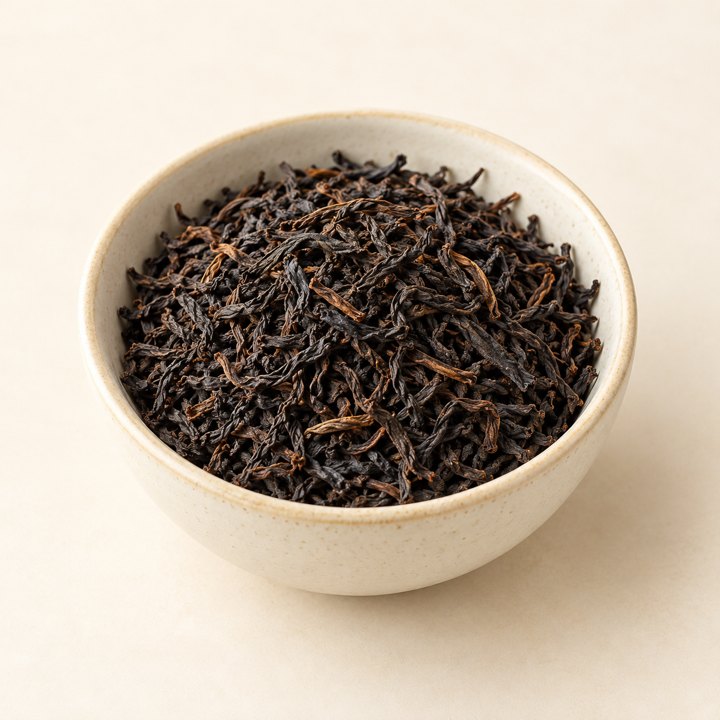
Black tea is processed leaf of Camellia sinensis, with oxidation allowed before final drying. Chai patti is the everyday Pakistani name.
What it is and local names
Black tea is processed leaf of Camellia sinensis, with oxidation allowed before final drying. Chai patti is the everyday Pakistani name. Black describes the tea style, not a separate plant species, and masala tea is a preparation made from it.
Origins and documented history
Tea drinking developed in China before spreading through Asian and later global trade. Fully oxidized black-tea manufacture is a later development within that history. Popular legends about a named ancient discoverer are not evidence for the first cup of black tea.
Reference: FAO: Tea, markets and trade.
Types and manufacture
Leaf is withered, rolled or cut, oxidized and dried. Orthodox leaf and CTC granules differ in particle size and extraction. Blends may combine origins to achieve consistent strength; flavoured tea adds another ingredient rather than another botanical species.
Production, trade and Pakistan
China, India, Kenya and Sri Lanka are established tea-producing countries. Pakistan is a significant tea-drinking market supplied largely through international trade, including East African teas. Do not infer leaf origin from a Pakistani blending or packing address.
Reference: FAO: Tea, markets and trade; World Bank WITS and UN Comtrade: Pakistan tea imports by country, 2022.
How to use it
Broken leaf and CTC suit robust doodh patti and masala chai. Larger leaf can suit clear Turkish-style brewing. Simmering, milk ratio and leaf size need adjustment together; a delicate leaf should not simply be boiled like a strong breakfast blend.
Nutrition, benefits and limits
Unsweetened tea supplies little energy and contains polyphenols. Milk adds its own nutrients and sugar adds energy. A cup’s caffeine depends on the leaf dose and brewing, not simply its dark colour.
Drawbacks, allergens and precautions
Caffeine can disturb sleep or cause jitters in sensitive people. Very strong tea with meals can reduce absorption of plant iron. Milk tea also carries the allergens and storage needs of its milk.
Substitutions and storage
Use another black-tea blend for a similar milk tea. Green tea gives a different flavour and oxidation profile; herbal infusions may contain no tea at all and are not a direct replacement in a recipe relying on black-tea strength.
Keep leaf airtight, dry and away from spices. Strain brewed tea to stop continued extraction. Chill tea containing milk promptly and make fresh portions when practical.
Brewing for the intended result
The same leaf can taste mild or aggressively bitter depending on the quantity, temperature and contact time. Measure the leaf and water for the first brew and adjust one variable on the next attempt. Small broken particles release flavour quickly; large rolled leaves generally open more slowly. Strain when the desired flavour develops rather than leaving wet leaves in the serving pot indefinitely. A stronger cup is better made with an appropriate dose than with uncontrolled boiling that loses delicate aromas and concentrates astringency.
Milk, spices and serving choices
For a milk tea, use a blend with enough body to remain noticeable after dilution. Whole spices release their flavour more slowly than powdered spices; simmering them separately for a short time gives better control over the final cup. Add sweetener after tasting whenever the recipe allows. In a clear tea, an oily or soapy vessel is immediately noticeable, so rinse the pot well. When a recipe relies on an alkaline reaction for colour, follow that recipe carefully instead of treating every tea leaf as interchangeable.
Benefits and realistic limits
Unsweetened tea can provide an enjoyable drink with little energy, and tea leaves contain polyphenols. This does not establish a reliable weight-loss or disease-treatment effect from a household cup. Tea contains caffeine unless it has been decaffeinated, and even decaffeinated products can retain a little. Very strong tea can bother a sensitive stomach, and drinking it with a meal may reduce absorption of non-haem iron. People advised to limit caffeine or separate tea from iron supplements should follow that individual guidance rather than counting all cups as identical.
Buying and keeping aromatic leaf
Buy enough leaf for a reasonable turnover rather than choosing a very large open bag solely for its price. Tea absorbs neighbouring odours, so a cupboard beside strong spices, detergent or perfume is unsuitable. Use a dry spoon and close the package before taking it near a boiling kettle. Moisture, visible mould or a stale musty smell are reasons to discard it. A labelled tea blend provides more useful information than a colour description alone: origin, leaf size, flavour additions and whether it is decaffeinated all help explain how it will behave in a recipe.
Recipes and the Pakistani pantry
Use this ingredient in Masala Chai, Salted Butter Tea, Turkish Tea. Explore related ingredients in the Pakistani ingredients and spices pantry.
Names and forms used in our recipes
View the recipe names covered by this guide
- black tea
- black tea leaves
- plain loose turkish black tea
Frequently Asked Questions
What should I check when buying black tea?
For strong milk tea, choose a blend with suitable body and leaf size. Check origin and any added flavours on the actual packet.
What can replace black tea in a recipe?
Use another black-tea blend for a similar milk tea. Green tea gives a different flavour and oxidation profile; herbal infusions may contain no tea at all and are not a direct replacement in a recipe relying on black-tea strength.
How should black tea be stored?
Keep leaf airtight, dry and away from spices. Strain brewed tea to stop continued extraction.
Keep Exploring
Related places and stories on DailyLife.pk

How we know this
- Type Explainer
- Sources 4 (3 official/academic)
- Reviewed November 2026
- Disputed points None
4 sources
Photo credits (1)
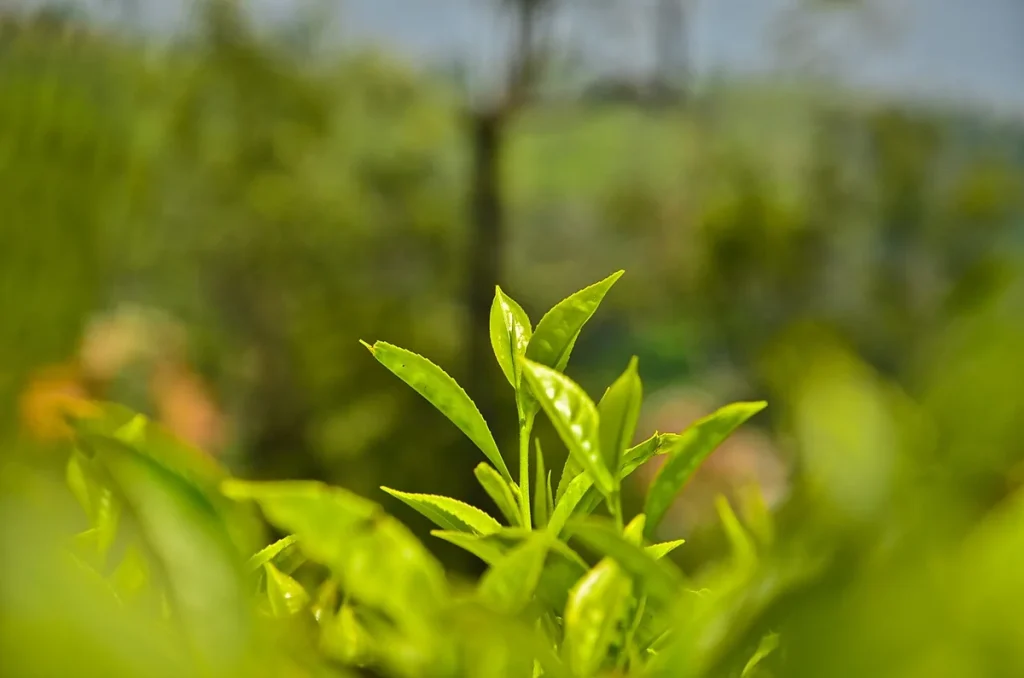
- Tea Leaves.jpg, Sathish, CC BY 3.0, via Wikimedia Commons
