
Ingredients & Spices · The complete guide
Black eyed peas (Lobia)
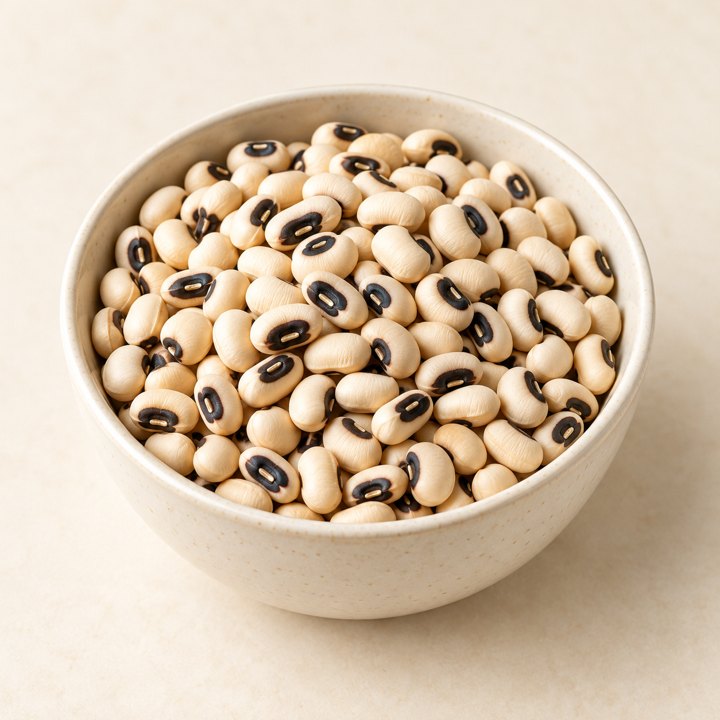
Black-eyed peas are cowpeas, Vigna unguiculata, commonly sold as lobia in Pakistan. The familiar cream seed has a dark mark around the hilum, but cowpeas also occur in other colours and patterns.
What it is and what to buy
Black-eyed peas are cowpeas, Vigna unguiculata, commonly sold as lobia in Pakistan. The familiar cream seed has a dark mark around the hilum, but cowpeas also occur in other colours and patterns. Lobia can be used loosely by sellers, so check the actual seed. These are not kidney beans and do not need the same recipe timing. Whole dry black-eyed peas generally soften more readily than large old chickpeas while keeping a pleasingly distinct shape.
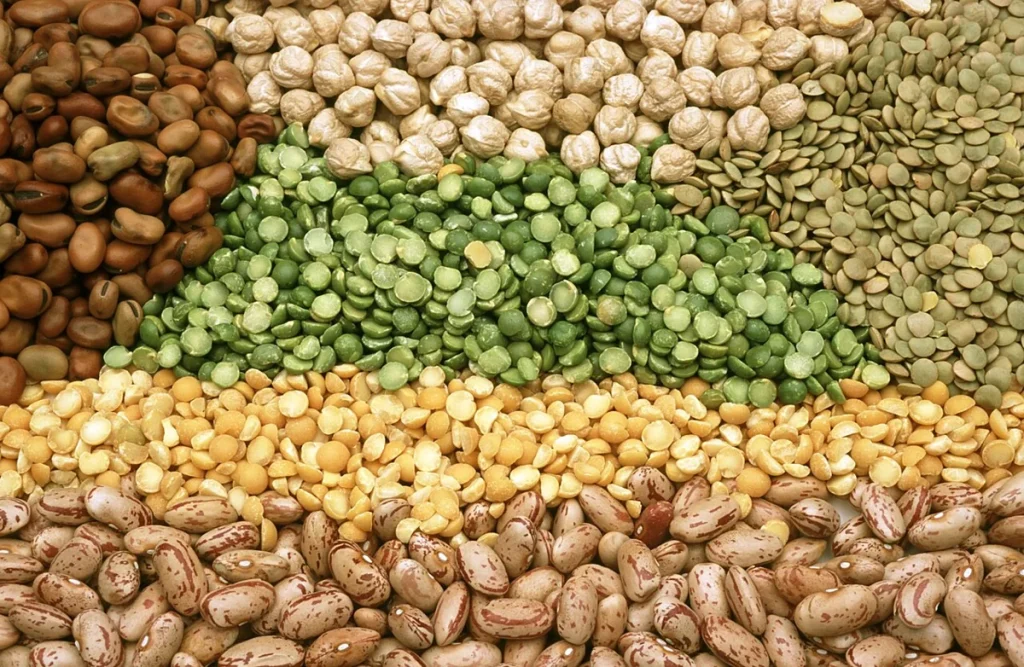
Pulses are the dried edible seeds of legumes, distinct from cereal grains. Their seed coats, size and starch characteristics determine how they cook. Whole seeds generally retain more shape than hulled split forms. Local names can overlap between regions, so the botanical species and the package description are useful when a recipe calls for an unfamiliar bean. A dried pulse is a raw ingredient; a commercially cooked canned product is a convenience ingredient with different preparation needs.
Origins and food history
Cowpea originated in Africa and became important in ancient dryland farming. Kew describes a long West African domestication history, while wider crop literature notes continuing debate over the exact African centre. Its later spread to South Asia and the Americas created many regional dishes. No single discoverer is documented. The familiar lobia name and Pakistani curry tradition describe a well-established local use of an introduced crop, not evidence that the species originated in Pakistan.
Reference: Kew: cowpea history and distribution.
Growing regions, trade and Pakistan
Nigeria, Niger, Burkina Faso and other West African countries are major cowpea-growing areas. Cowpea is also grown in Brazil, India, Pakistan and elsewhere in warm climates. Punjab’s agriculture department lists cowpea among its pulse crops. Dry food grain, fresh long beans, forage and planting seed are distinct markets even when linked to the same species complex. Pakistani retail supply may be local or traded; check the declared origin and buy clean food-grade dry seed rather than assuming all products called cowpea are equivalent.
Reference: Punjab Agriculture: cowpea in Pakistan.
How to prepare and cook it
Sort and rinse before cooking. A soak can shorten cooking and help an uneven batch hydrate, though fresh black-eyed peas can also be cooked without one. Simmer gently in fresh water until the centre is tender, then combine with the curry masala. Add tomato or tamarind after the beans soften if acidity is delaying tenderness. Keep some cooking liquid for the sauce. Stir carefully near the end because soft peas split easily; a few mashed peas can thicken the gravy without turning the whole pot into puree.
Put this form of the ingredient to work in Lobia Curry. The method in each recipe determines whether it should be raw, soaked, ground, freshly cooked or chilled before it enters the dish.
Nutrition, benefits and their limits
Pulses contribute plant protein, fibre, starch, folate and minerals. They work particularly well in meals with grains and vegetables, increasing the range of nutrients without requiring a large meat portion. Their iron is non-haem and is absorbed differently from meat iron; vitamin-C-rich foods can improve the meal’s contribution. The nutrition of a boiled pulse does not describe a sweetened halwa or heavily fried snack made from it. Consider the finished recipe, serving size and accompaniments together.
Allergies, disadvantages and safe handling
Legume allergy is possible and needs ingredient-specific assessment; being allergic to one pulse does not automatically prove every pulse unsafe or safe. Fermentable carbohydrates can cause gas and bloating, particularly with a sudden large serving. Soaking and thorough cooking may help, as can gradually increasing portions. Do not rely on raw sprouts as a safer alternative: sprouting conditions can also favour bacteria. Naturally gluten-free pulses still need suitable sourcing if cereal cross-contact is a concern.
Practical substitutions
Other cooked cowpeas are the closest replacement. Cooked white common beans can give a similar-looking curry with a different flavour and size. Kidney beans require their own safe dry-bean preparation and should not be treated as a quick swap. Yellow split peas make a smoother dal rather than a whole lobia dish.
Keeping it fresh
Sort dry pulses for stones and damaged seed, rinse, and keep the remainder sealed in a cool dry place. Crop age and storage conditions affect tenderness, so rotate stock rather than repeatedly topping up an old jar. Soak in the refrigerator when the kitchen is very warm. Cool cooked pulses promptly, refrigerate in shallow covered containers, and freeze extra portions when useful. Water absorbed during cooking changes both weight and volume, so compare recipe amounts in the same dry or cooked state.
For related ingredients and shopping terms, see the Pakistani ingredients and spices pantry guide.
Names and forms used in our recipes
View the recipe names covered by this guide
- dried black-eyed peas (cowpeas, lobia)
Frequently Asked Questions
Are black-eyed peas peas or beans?
They are cowpeas, Vigna unguiculata, a legume. The everyday English name does not place them in the garden-pea species.
Must lobia soak overnight?
Not always. Soaking can help cooking time and even hydration, but freshness and the recipe matter. Cook until the centre is fully tender.
Keep Exploring
Related places and stories on DailyLife.pk

How we know this
- Type Explainer
- Sources 5 (3 official/academic)
- Reviewed November 2026
- Disputed points None
5 sources
Photo credits (1)
- CSIRO ScienceImage 3224 Pulses and legumes.jpg, division, CSIRO, CC BY 3.0, via Wikimedia Commons
