
Ingredients & Spices · The complete guide
Avocado
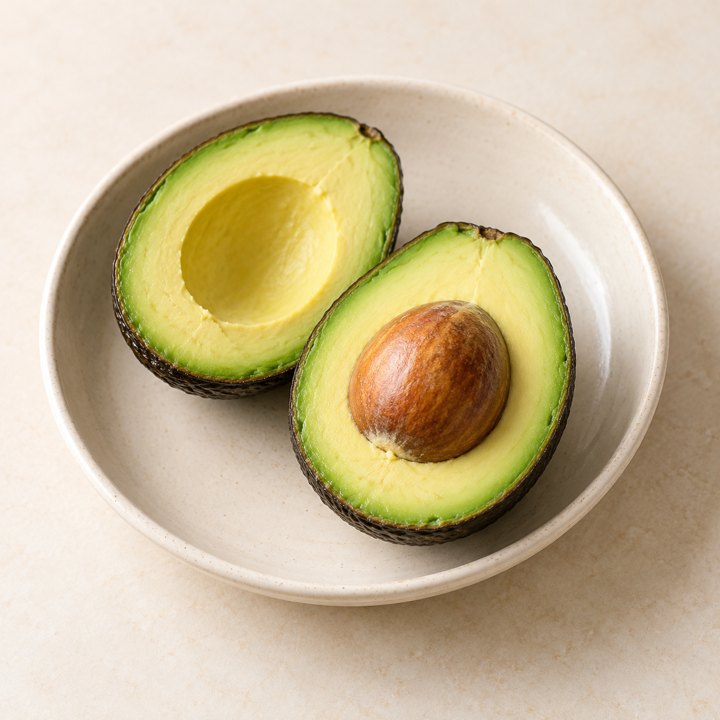
Avocado is Persea americana, a fleshy fruit valued for its rich edible pulp. Its eating character is buttery and mild, with a creamy rather than watery texture.
What is avocado? Names, flavour and types
Avocado is Persea americana, a fleshy fruit valued for its rich edible pulp. Its eating character is buttery and mild, with a creamy rather than watery texture.
The main forms to recognise are Hass, Fuerte and other green-skinned cultivars. Choose the form and ripeness specified by the recipe.
Origins, cultivation and the Pakistan market
An American crop domesticated by Indigenous communities in Mexico and Central America long before European contact. The relevant botanical or crop background is documented in Avocado - Persea americana | Plants | Kew.
Growing conditions and producing countries: Subtropical and tropical orchards need good drainage; Mexico, Peru, Colombia and Kenya produce commercial fruit. Often sold as a specialty fruit; distinguish imported fruit from locally grown experimental supply by the label. Fresh fruit, frozen pulp, dried fruit and juice are separate commercial products. Where a pack provides an origin label, use it to identify that batch rather than assuming the seller’s address is the growing country. Seasonal locally grown fruit often offers better ripeness than fruit chosen mainly for long transport.

How to prepare, cook and substitute it
Split carefully around the stone, twist apart and lift the stone out with a spoon. Slice ripe flesh for halal sushi or mash with lemon
Choose flesh that yields enough to eat comfortably but still holds a slice. Very soft avocado makes a useful mash but can smear and squeeze out of a roll. Cut the flesh shortly before assembling and keep it covered until needed. A little citrus can slow browning, although too much juice makes the filling wet and sharply acidic. Slice both avocado and cucumber into manageable lengths rather than trying to force oversized pieces into a tightly rolled sheet.
Match the ripeness to the job. A fruit that is excellent for eating immediately can be too soft for neat cubes, while a firmer specimen may work better in a salad or cooked filling. Wash the outside before cutting even when the peel will be removed, so the knife does not carry surface dirt into the flesh. Prepare the edible portion before measuring recipe weight when the ingredient list specifies flesh. Add delicate ripe pieces gently and close to serving if they would otherwise break down in a mixed dish.
A useful starting substitute is thick hummus for creaminess in wraps, cucumber for sushi freshness but not fat content. Adjust the recipe for the replacement’s texture and moisture.
Buying and storing it well
Look for fruit that yields slightly to gentle pressure; sunken areas or rancid aroma indicate deterioration. Buy an amount that can be used while its texture is still suitable for the intended dish. Trim away ordinary damaged portions where appropriate, but reject a product showing active decay or an abnormal smell rather than hiding it in a strongly spiced preparation.
For storage, ripen at room temperature; refrigerate ripe fruit and covered cut flesh. Keep prepared portions separate from unwashed produce and raw animal foods. Use a clean covered container for cut or cooked food, and label frozen portions so the oldest batch is used first. The condition at purchase, kitchen temperature and packaging all affect keeping quality; a fixed number of days is not a guarantee of safety.
Nutrition, benefits and practical cautions
The nutritional contribution is mostly unsaturated fat, fibre, potassium and folate. USDA FoodData Central distinguishes raw, cooked, dried and processed forms. Recipe totals must also account for added oil, cream, sugar or syrup.
Energy dense compared with watery fruit; latex-associated allergy can include avocado. Its role in a balanced meal depends on portion size and preparation. Whole foods and concentrated supplements are different products and should not be treated as interchangeable.
Recipes using avocado
Use the linked recipes to match preparation to the finished dish. Check whether the ingredient quantity means whole purchased weight, peeled edible weight, drained weight or a cooked portion before shopping. This is especially helpful when a recipe needs a thick filling or a carefully balanced drink.
For related Urdu names, pantry ingredients and cooking combinations, see the Pakistani ingredients and spices guide.
Names and forms used in our recipes
View the recipe names covered by this guide
- avocado flesh
Frequently Asked Questions
How ripe should an avocado be for sushi?
Choose flesh that yields enough to eat comfortably but still holds a slice. Very soft avocado makes a useful mash but can smear and squeeze out of a roll. Cut the flesh shortly before assembling and keep it covered until needed. A little citrus can slow browning, although too much juice makes the filling wet and sharply acidic. Slice both avocado and cucumber into manageable lengths rather than trying to force oversized pieces into a tightly rolled sheet.
How should I store avocado?
Ripen at room temperature; refrigerate ripe fruit and covered cut flesh.
What should I consider before serving avocado?
Energy dense compared with watery fruit; latex-associated allergy can include avocado.
Keep Exploring
Related places and stories on DailyLife.pk

How we know this
- Type Explainer
- Sources 6 (3 official/academic)
- Reviewed November 2026
- Disputed points None
6 sources
Photo credits (1)
- I-11 Sabze Mande, Islamabad.jpg, Pakieditor, CC BY-SA 4.0, via Wikimedia Commons
