
Ingredients & Spices · The complete guide
Asafoetida (Hing)
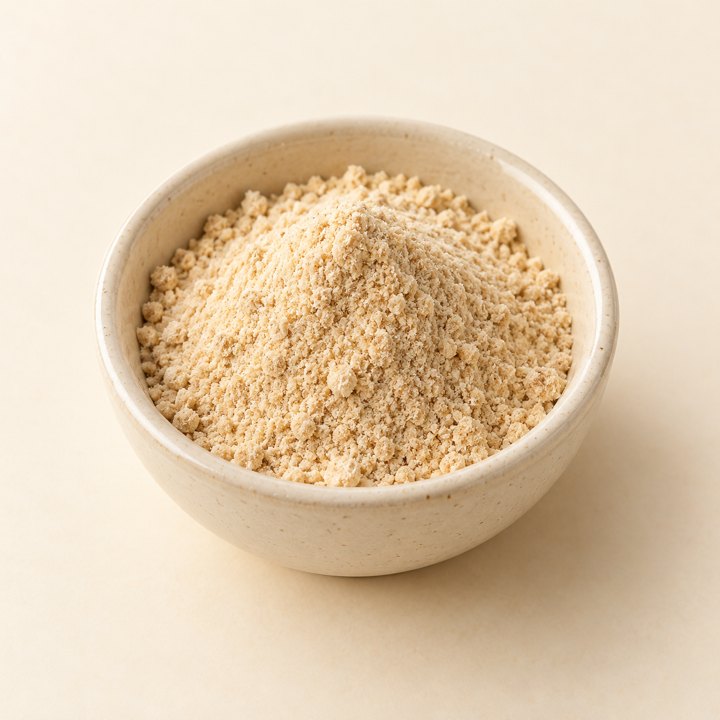
Asafoetida is the strongly scented gum resin of Ferula species, known in Urdu as hing or heeng. Commercial compounded hing commonly contains flour, starch or gum to make the potent resin easier to measure.
What it is and names to know
Asafoetida is the strongly scented gum resin of Ferula species, known in Urdu as hing or heeng. Commercial compounded hing commonly contains flour, starch or gum to make the potent resin easier to measure. Pure resin and compounded powder require very different quantities.
Origins, producing regions and Pakistan context
Ferula plants occur across western and central Asia. Hing belongs to longstanding regional culinary and traditional medicinal practices; those traditions do not establish modern treatment efficacy or a single discoverer.
Afghanistan and Iran are longstanding resin sources. Processing, compounding and packing may occur in another country, including India, before sale in Pakistani markets. Whole and processed forms can cross borders separately: a spice may be imported, milled and repacked before sale in Pakistan. The growing countries listed here are not a claim about the direct supplier of a particular Pakistani packet.
Background: Spices Board: crop and ingredient reference.
Types and buying advice
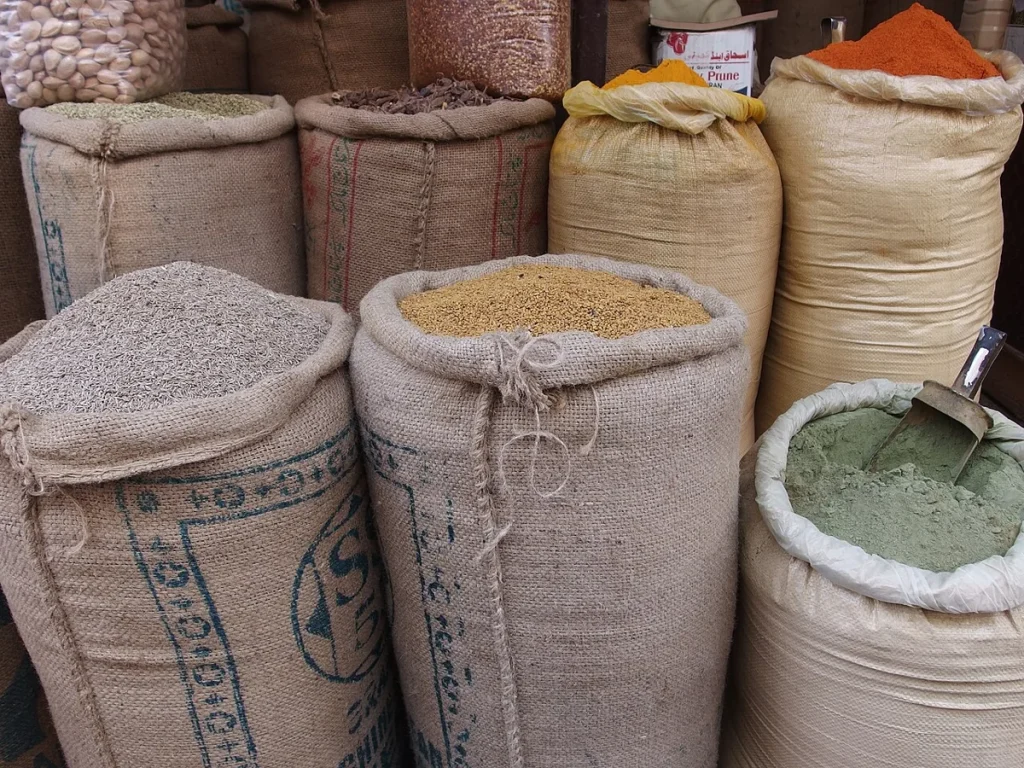
Compare pure resin with compounded hing and read the carrier ingredients. Strength differs dramatically, and wheat may be present.
How to cook with it
A tiny pinch bloomed briefly in oil gives an onion-and-garlic-like background to dal, potato and selected Kashmiri preparations. Add the next moist ingredient promptly so that the powder does not scorch.
Begin with a small pinch for a family saucepan rather than a teaspoon. Open the container away from steam, and keep it tightly closed so its odour does not spread through the pantry.
The smell in the jar is much stronger than the flavour after a tiny quantity has cooked in fat. That is a reason to measure carefully, not to add a large dose in pursuit of the raw aroma. Keep the pinch ready on a small plate before starting a tadka. If hing burns, begin the tempering again in a clean pan; an acrid tadka can spoil the entire pot of otherwise well-cooked dal.
Try the ingredient in Kashmiri Rogan Josh, Mutton Rogan Josh. Follow each recipes specified form and quantity, since whole pieces and fine powder season food differently.
For related pantry ingredients, see the Pakistani ingredients and spices guide.
In a simple dal, soften the lentils first, then finish with a separately prepared tadka containing a tiny pinch of hing. This keeps its cooking stage easy to control. Hing is a supporting aromatic; it does not replace the lentils, cumin or the whole tempering mixture.
Nutrition and realistic benefits
Ground spices contain plant compounds and varying amounts of fibre and minerals, but a normal recipe uses only a small quantity shared among several people. A high nutrient figure per 100 grams is therefore a poor description of what one serving supplies. The useful everyday benefit is flavour, colour or acidity in ordinary food. There is no need to increase the dose to pursue antioxidant claims, and a capsule or concentrated extract cannot be evaluated as if it were the powder in a curry.
Disadvantages and precautions
Check for wheat in compounded hing if avoiding gluten. Its traditional reputation for digestion is not proof that it prevents gas or treats digestive disease.
Dry spices are not sterile foods. FDA food-safety guidance explains practical handling. Buying from a traceable food supplier is more dependable than trying to judge safety from appearance alone.
Substitutions and storage
A little cooked garlic or onion can supply savoury depth where the recipe permits them. Neither reproduces hing exactly, especially in dishes deliberately made without alliums.
Store in a tightly closed container away from light, steam and cooking heat. Take the required amount with a dry spoon rather than shaking the open packet over a boiling pan. Ground particles expose more surface to air, so buying a modest pack is usually better than keeping a large stale supply. Check aroma as well as the printed date. Caking from dampness, visible mould, insects or an unusual musty smell calls for disposal, not extra roasting.
Names and forms used in our recipes
View the recipe names covered by this guide
- asafoetida
- asafoetida (hing)
Frequently Asked Questions
Why does hing smell stronger in its jar?
The smell in the jar is much stronger than the flavour after a tiny quantity has cooked in fat. That is a reason to measure carefully, not to add a large dose in pursuit of the raw aroma.
What can I use instead of asafoetida?
A little cooked garlic or onion can supply savoury depth where the recipe permits them. Neither reproduces hing exactly, especially in dishes deliberately made without alliums.
What is the main caution with asafoetida?
Check for wheat in compounded hing if avoiding gluten. Its traditional reputation for digestion is not proof that it prevents gas or treats digestive disease.
Keep Exploring
Related places and stories on DailyLife.pk

How we know this
- Type Explainer
- Sources 3 (1 official/academic)
- Reviewed November 2026
- Disputed points None
3 sources
Photo credits (1)
- Spice market @ Walled City @ Lahore (15449651456).jpg, Guilhem Vellut from Annecy, France, CC BY 2.0, via Wikimedia Commons
