
Ingredients & Spices · The complete guide
Apple cider vinegar
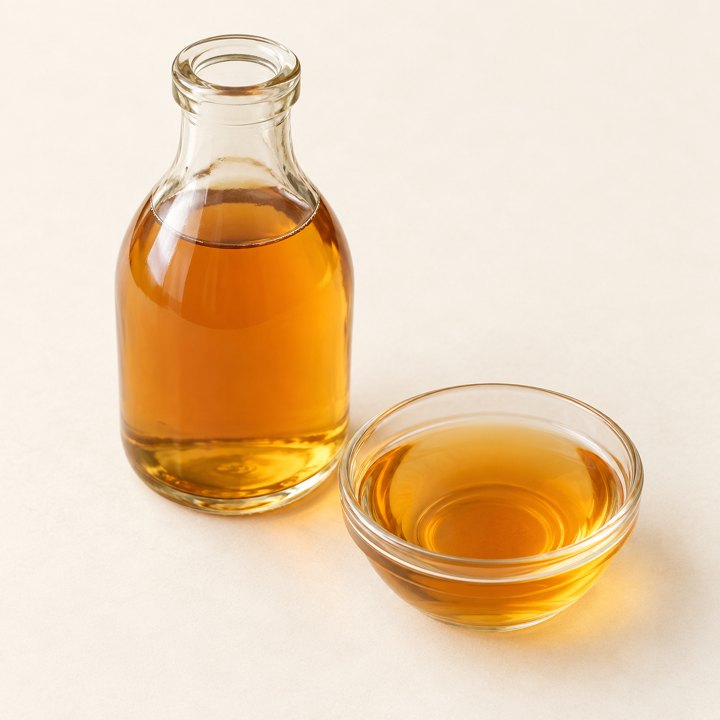
Apple cider vinegar is fermented apple juice, commonly sold as apple sirka in Pakistan. Its fruity aroma distinguishes it from neutral white vinegar.
What it is and names used in Pakistan
Apple cider vinegar is fermented apple juice, commonly sold as apple sirka in Pakistan. Its fruity aroma distinguishes it from neutral white vinegar.
Origin and historical context
Vinegar predates modern factories; this apple version belongs to cider-making traditions rather than a documented single discovery.
Types, manufacture and buying
Yeasts first convert apple sugars to alcohol; acetic acid bacteria then form vinegar. Filtered, pasteurised and cloudy unfiltered versions differ in appearance, not guaranteed therapeutic value.
Use a food-grade product with an identifiable manufacturer, ingredient list and labelled acidity where relevant. White, cloudy, raw, filtered and organic describe different characteristics; none alone proves superior safety or a health benefit. For quick dressings, aroma may guide the choice, but for tested preservation methods the acid percentage matters directly. Seasoned vinegar can contain sugar and salt, so it needs different recipe adjustments from plain vinegar. A household cleaning acid is not a substitute for food vinegar, even if the bottle looks similar.
Reference: Shangrila Foods Pakistan: Sauces, seasonings and pickles.
Production, trade and the Pakistani pantry
Apple-growing countries including the United States, France and the United Kingdom have cider-vinegar industries; Pakistani shops stock locally bottled and imported products.
Cooking uses and practical substitutions
Use in wing marinades, slaw and barbecue sauces. Replace with white wine vinegar or another food vinegar of comparable labelled acidity; add a little apple juice only when its sweetness suits the dish.
Add gradually and taste the full dish after stirring: a spoonful in a dressing has a different effect from the same amount in a large pot of soup. Cooking can soften volatile aromas, while adding near serving preserves a brighter impression. For marinades, acid changes the surface texture but does not sterilise raw meat or seafood. Keep marinating food refrigerated and discard or thoroughly cook any liquid that contacted raw meat before using it as a sauce. Use a glass, stainless-steel or other suitable food-safe container for prolonged acidic contact.
Nutrition, benefits and limitations
Plain vinegar is used in small amounts and usually contributes little energy, protein, fibre or micronutrients. Its principal value is flavour and, in properly designed recipes, acidity. Unfiltered vinegar should not be promoted as a cure for diabetes, obesity or digestive illness. Acidic liquids can irritate the mouth or stomach and damage tooth enamel when taken undiluted or repeatedly sipped. Culinary use dispersed through a meal differs from drinking concentrated spoonfuls as a supplement. If a vinegar contains added sugar or salt, those nutrients must be considered separately.
The cloudy mother is not evidence of a clinically useful probiotic dose. Do not drink concentrated vinegar as a health treatment.
Practical notes and common mistakes
When balancing a wing glaze, separate fruit aroma from sharpness: the vinegar supplies both, while apple juice mainly adds sweetness and water. If the finished sauce tastes harsh, adjust the complete sauce with its other ingredients rather than neutralising vinegar with baking soda. Use a measured spoon and make notes on the brand. For pickling, a pleasant flavour is secondary to the tested acidity requirement; a cloudy artisanal bottle without a stated strength is not a dependable replacement for the specified vinegar.
Storage and safe handling
Keep the cap tight in a cool cupboard away from direct sunlight and follow any special label directions. Some natural sediment or a vinegar mother can form without implying spoilage, but unexpected contamination or a damaged container still needs attention. Avoid topping up old bottles with homemade liquids. For home canning and pickling, use tested recipes and the vinegar strength specified: the National Center for Home Food Preservation commonly calls for 5% acidity. Do not reduce vinegar or increase low-acid vegetables in a canning recipe simply because a milder flavour is preferred.
Recipes and related pantry reading
Use the form and quantity specified in each recipe, then adjust for the concentration, salt and moisture of the product you have bought. These dishes show where the ingredient fits in a complete preparation.
For related local names and pantry ingredients, see the Pakistani ingredients and spices guide.
Names and forms used in our recipes
View the recipe names covered by this guide
- apple cider vinegar
Frequently Asked Questions
Does apple cider vinegar need a visible mother?
No. Filtered vinegar is useful for cooking; a mother does not establish a therapeutic benefit.
Can I use it for home canning?
Only when its labelled acidity and the complete tested recipe meet the preservation requirements.
Keep Exploring
Related places and stories on DailyLife.pk

How we know this
- Type Explainer
- Sources 3 (2 official/academic)
- Reviewed November 2026
- Disputed points None
