
City guide
Turbat: Date Palms and Legends of the Kech Valley
The main town of Makran, set among date groves on the Kech River, with a prehistoric fort-mound tied to the legend of Sassi and Punnu and a reputation as one of the hottest places on Earth.
- Kech District, Balochistan
- Date-growing Kech valley
- Best season: November–February
- 53.7 °C recorded in 2017
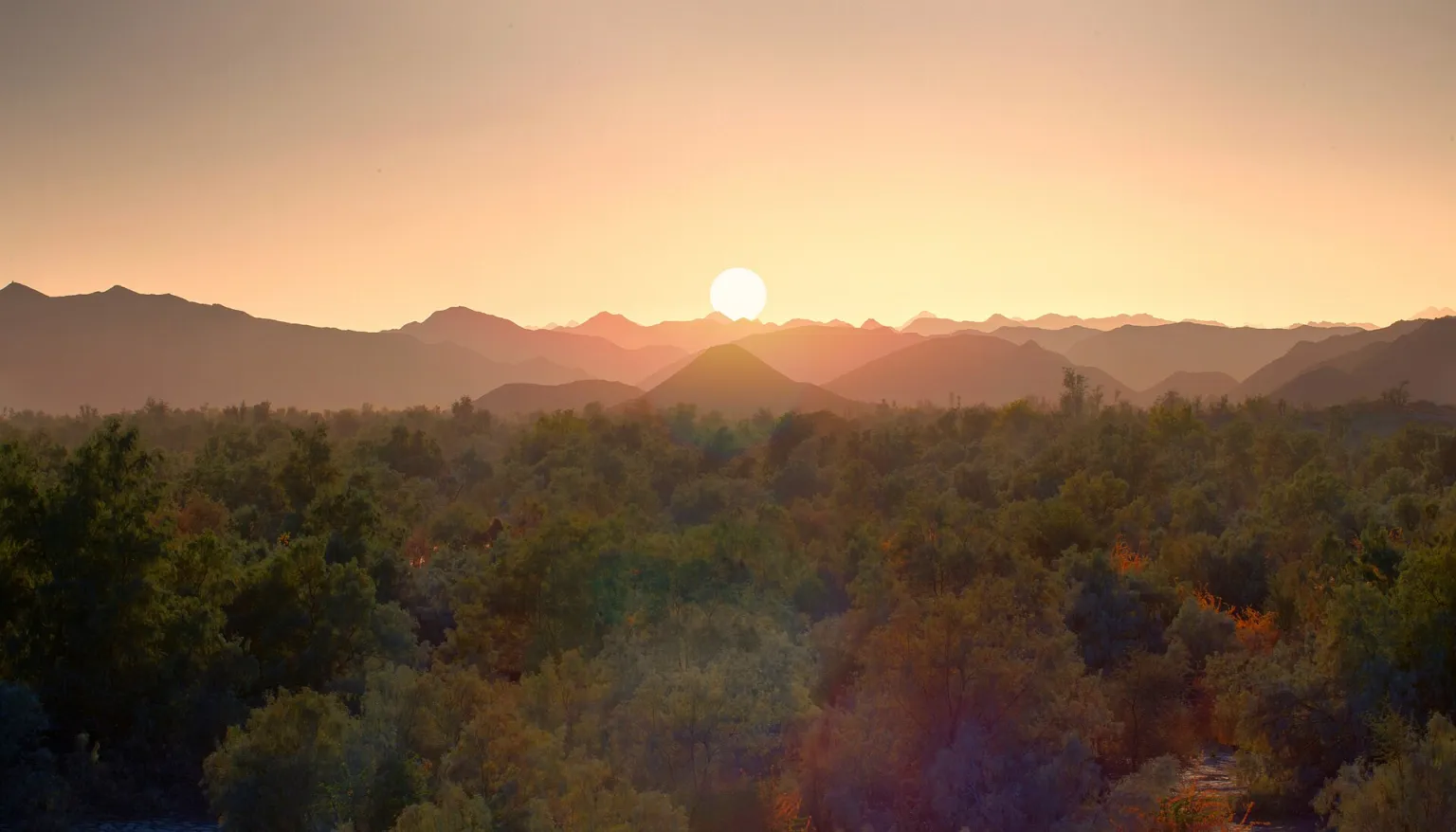
Hills at sunset near Turbat, Kech District
Turbat at a Glance
About Turbat
Turbat is the largest town of Makran, the dry, mountainous belt of southern Balochistan between the Arabian Sea coast and the Iranian border. It is the headquarters of Kech District and sits on the left bank of the Kech River, whose valley is lined with date palms, small fields and mud-walled villages. Gwadar lies to the south-west on the coast; Turbat is its inland partner and the commercial centre of the valley.
The 2023 Census counted 268,625 people in urban Turbat and just over a million in Kech District as a whole, making Turbat one of the largest towns in Balochistan. Most residents are Baloch and speak Balochi. Dates are the signature crop of the valley, and the town's markets fill with them after the late-summer harvest.
Turbat is also known for heat. On 28 May 2017 the town recorded 53.7 °C, a reading verified by the World Meteorological Organization as one of the highest temperatures ever measured on Earth. Winters, by contrast, are mild and pleasant.
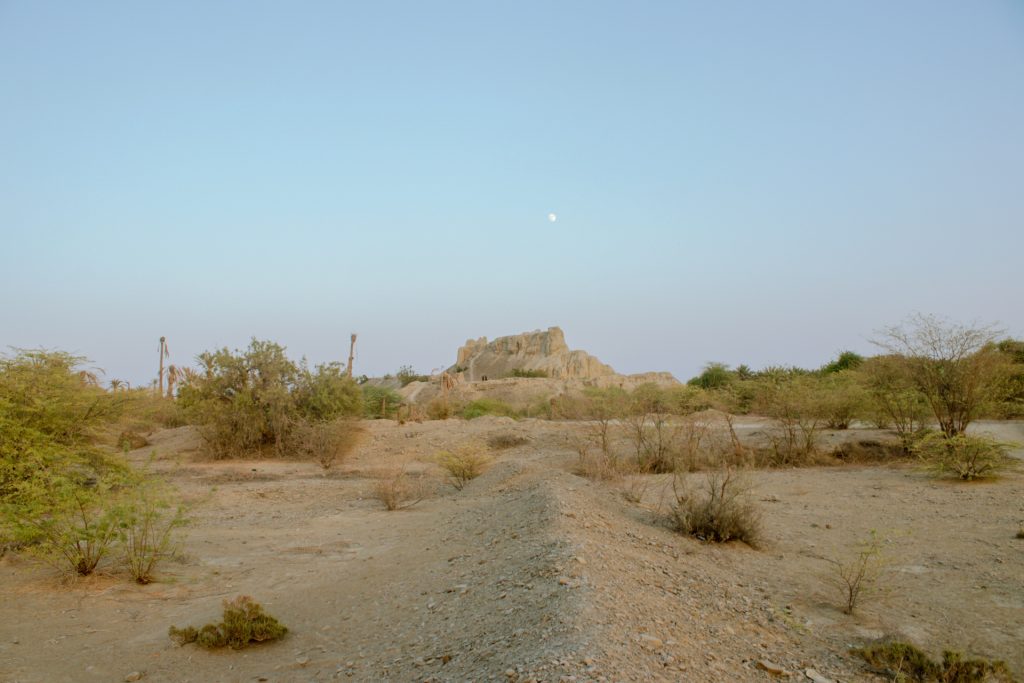
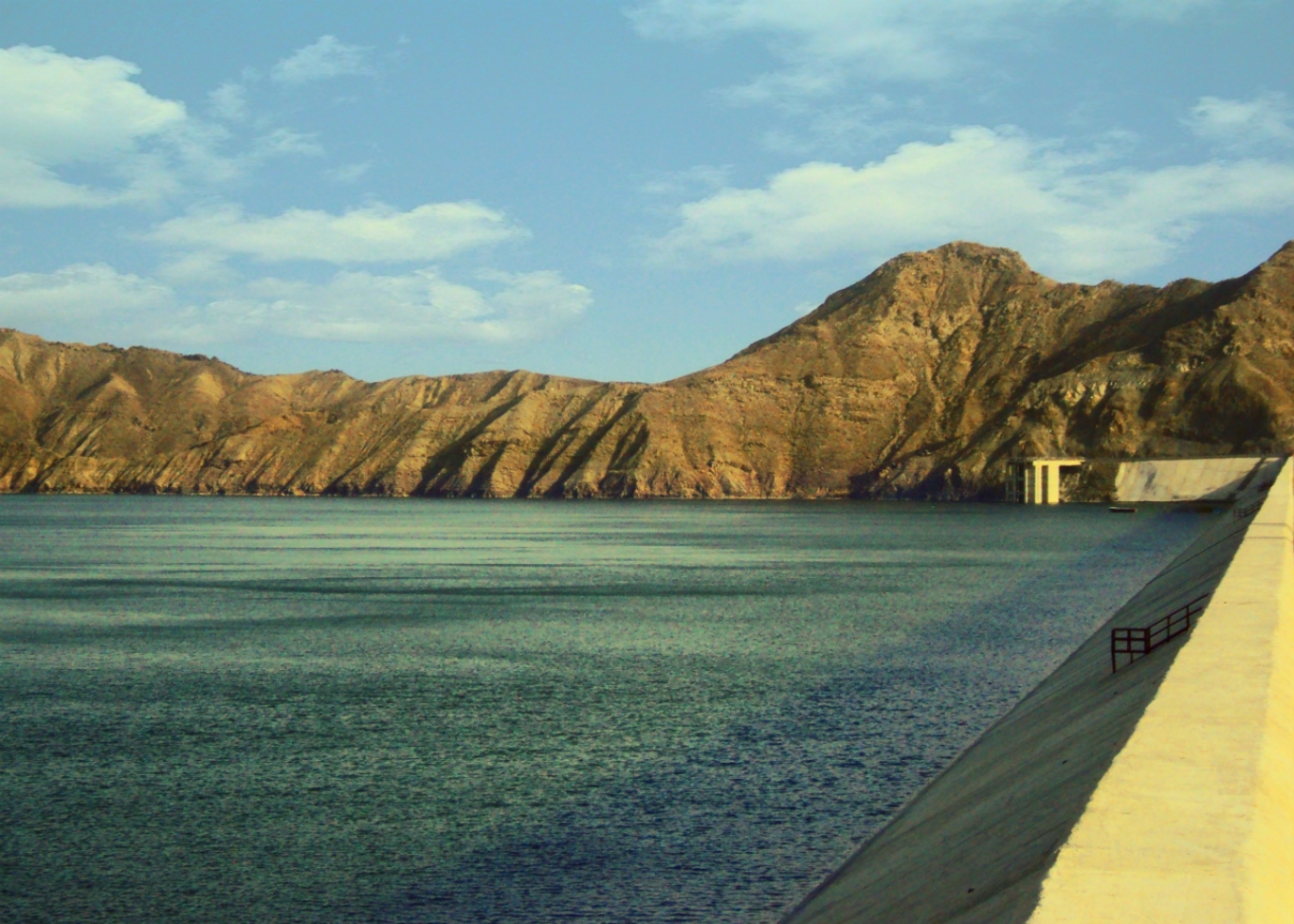
For visitors, the draws are Miri Qalat, the great earthen fort-mound on the river that local tradition links to Punnu of the Sassi Punnu romance, the palm groves of the valley, and the reservoir of the Mirani Dam on the Dasht River to the west.
In Turbat the past is close to the surface: a fort-mound by the river, a love story everyone knows, and date palms that have fed Makran for generations.
Things to See in and around Turbat
Archaeology, palm groves and desert water.
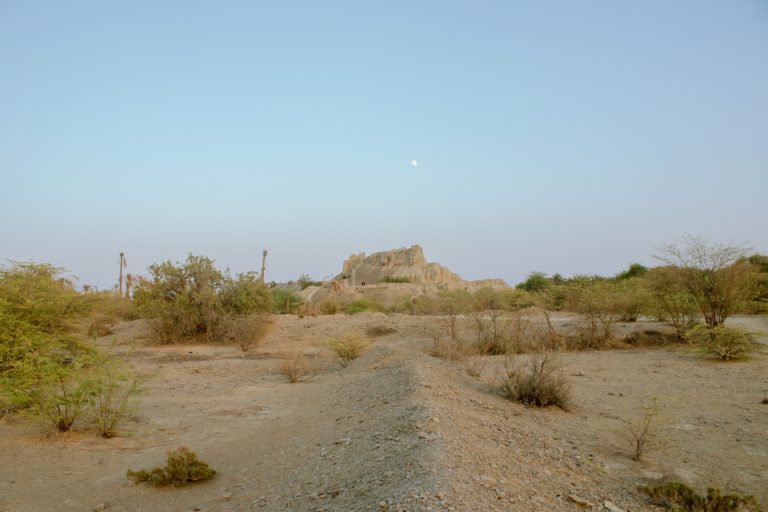 Miri Qalat (Sassi Punnu Fort)A large fortified mound about 6 km north-west of town on the Kech River. Excavations by a French–Pakistani team in the 1990s found occupation going back to the 5th millennium BCE, with Indus-period finds and later Islamic-era walls. Folklore calls it the fort of Punnu.
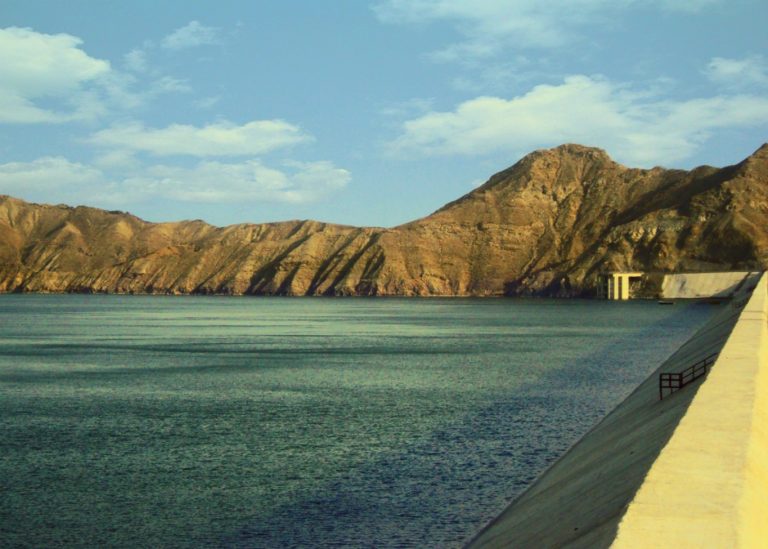 Mirani DamA dam on the Dasht River west of Turbat that stores floodwater for irrigation in the valley. Its reservoir and the stark hills around it make a striking contrast in this arid country.
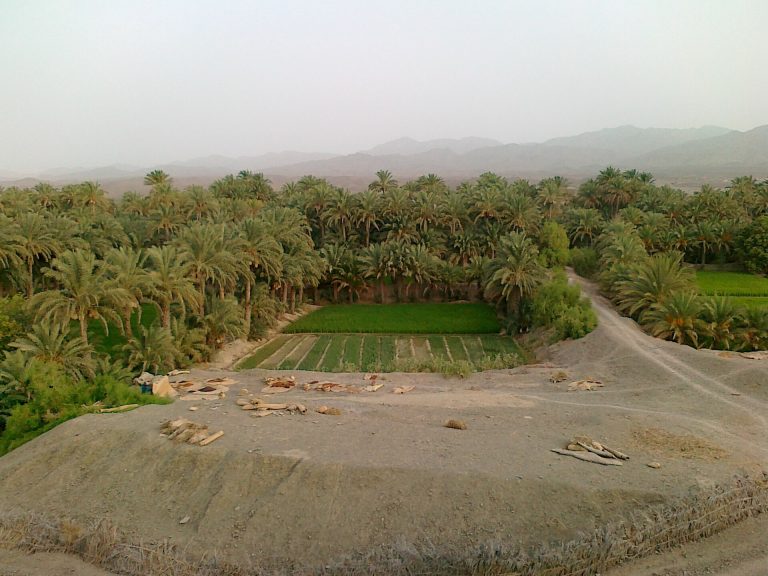 The date grovesPalm orchards line the Kech valley around Turbat and villages such as Tejaban. Visit in late summer to see the harvest, or in winter for cool walks along irrigation channels.
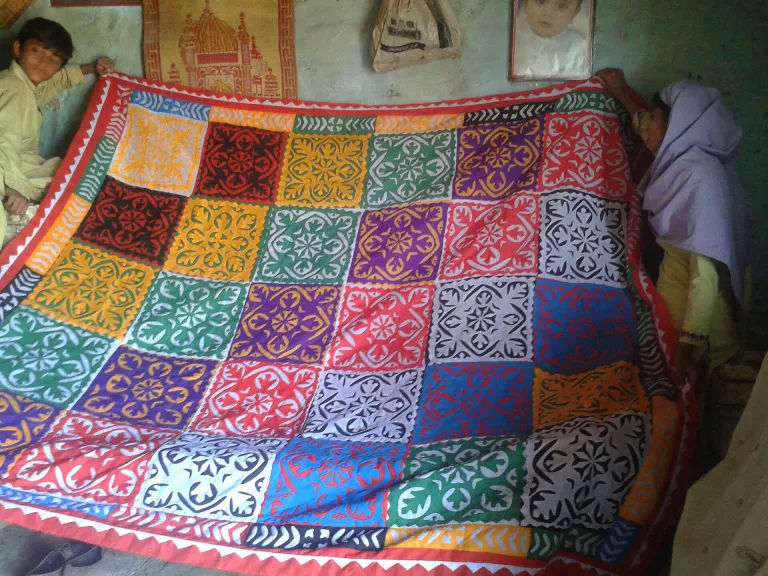 Turbat bazaarThe town's main markets sell dates, Balochi embroidery, household goods and produce from across Makran, with tea stalls never far away.
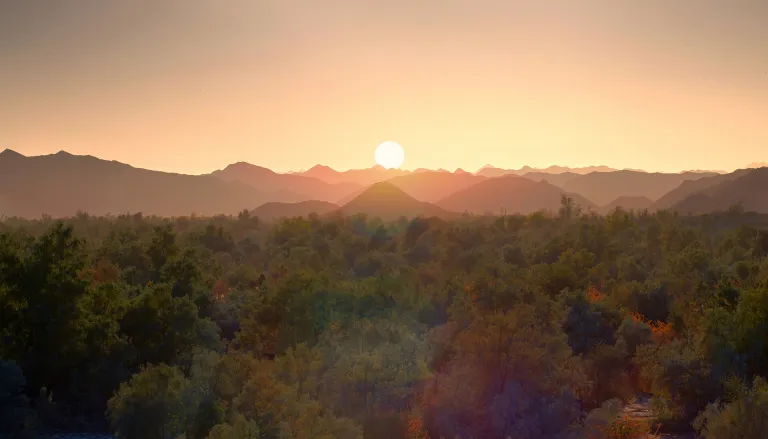 Makran hillsBare, folded ridges surround the valley. The hour before sunset, when the rock turns gold and red, is the time for photographs.
A Short History of Turbat
5th millennium BCE
First settlement at Miri Qalat
People settle on the river terrace at Miri Qalat; later levels show contacts with the Indus Valley Civilization in the mid-3rd millennium BCE.
1927
Aurel Stein visits
The archaeologist Aurel Stein explores Miri Qalat during his survey of Makran.
Medieval to early modern
Makran's capital
The Kech valley remains the heart of Makran; local dynasties such as the Gichkis rule from the area, and the fort features in the tale of Sassi and Punnu sung by poets including Shah Abdul Latif Bhitai.
1990–1997
Excavations
A French archaeological mission led by Roland Besenval excavates Miri Qalat with Pakistan's Department of Archaeology and Museums.
28 May 2017
Record heat
Turbat records 53.7 °C, later verified by the WMO as among the highest temperatures ever measured.
2023
Census
The 2023 Census counts 268,625 people in urban Turbat.
Getting There and Around
By air
Turbat Airport
Turbat has an airport with domestic services to Karachi and other cities; schedules are limited, so check with airlines before planning.
By road
From Gwadar or Karachi
Roads link Turbat with Gwadar and the Makran Coastal Highway, and inland towards Panjgur and Hoshab. Distances between towns are long and services sparse.
In town
Rickshaws and hired cars
Rickshaws handle short trips; for Miri Qalat or the dam, hire a car with a local driver.
Advisories
Check before you go
Security arrangements in Balochistan change. Check current advisories and local authority guidance before travelling, including whether foreign visitors need a No Objection Certificate or police escort.
Plan Your Visit
Best time
November to February
Winter days are warm and nights cool. From May to September heat is extreme and can be dangerous.
Heat safety
Plan around the sun
Carry plenty of water, avoid the midday hours in the hot months and cover your head.
Where to stay
Limited choice
A handful of hotels and guesthouses; book ahead and ask locally about current conditions.
Etiquette
Conservative town
Dress modestly, ask before photographing people, and avoid photographing security sites.
Frequently Asked Questions
What is the population of Turbat?
The 2023 Census counted 268,625 people in urban Turbat and 1,060,931 in Kech District (Pakistan Bureau of Statistics).
Is Turbat really one of the hottest places on Earth?
Yes. On 28 May 2017 Turbat recorded 53.7 °C, which the World Meteorological Organization verified as one of the highest temperatures ever measured.
What is the connection between Turbat and Sassi Punnu?
Local tradition holds that Punnu, hero of the Sassi Punnu romance, belonged to Kech, and the fort-mound of Miri Qalat near Turbat is popularly called Punnu's fort. Archaeologically the site is far older than the legend.
When is the best time to visit Turbat?
November to February, when temperatures are mild. Summers are extremely hot.
Is it safe to travel to Turbat?
Conditions change. Check current advisories and local authority guidance before travelling, and follow any requirements for foreign visitors.
Keep Exploring
Related places and stories on DailyLife.pk
 Hingol National ParkPlan a trip to Hingol National Park, Balochistan: Princess of Hope, the Sphinx rock
 Kund MalirPlan a Kund Malir trip: the beach, Makran Coastal Highway, Princess of Hope, Chandragup mud volcano
 GwadarGwadar city guide: the Hammerhead and Koh-e-Batil, Marine Drive, the deep-sea port, fish harbour
 QuettaQuetta city guide: Hanna Lake, Urak Valley, bazaars, sajji and dry fruit
 KarachiKarachi travel guide: Mazar-e-Quaid, Mohatta Palace, Clifton, Burns Road, bazaars, neighbourhoods, Green Line BRT
 Indus Valley CivilizationThe Indus or Harappan civilization (c.
How we know this
- Type Place guide
- Sources 5 (3 official/academic)
- Reviewed October 2026
- Disputed points None
5 sources
- Census 2023 – Table 1: Area, population by sex, urban population and growth rate, Balochistan districts, Pakistan Bureau of Statistics (archived copy)
- WMO verifies 3rd and 4th hottest temperature recorded on Earth, World Meteorological Organization
- Miri Qalat and Kech-Makran during the second half of the 3rd millennium BC, White Levy Program, Harvard University
- Miri Qalat excavations (Didier & Castillo, posters of the French Archaeological Mission), HAL open archive
- Turbat, Wikipedia (background only)
Photo credits (5)
- Sunset in mountains, Turbat, Balochistan.jpg, Yasir Dora, CC BY-SA 4.0, via Wikimedia Commons
- Meri A Kalat.02.jpg, Hussain Masoom, CC BY-SA 4.0, via Wikimedia Commons
- Meerani Dam Turbat Balochistan.jpg, NasratGraphy.webs.com, CC BY-SA 3.0, via Wikimedia Commons
- Tejaban - Fields and date palm orchards - 20110717.jpg, Fidarahim, CC BY-SA 3.0, via Wikimedia Commons
- Ralli made by young girl.jpg, Irssa1111, CC BY-SA 4.0, via Wikimedia Commons
