
Explore Pakistan · Practical destination guide
Taxila With Children: A Museum and Ruins Day Trip From Islamabad
Plan a manageable Taxila family day with the museum, one archaeological site, heritage facts, access checks, food breaks and alternatives for heat or rain.
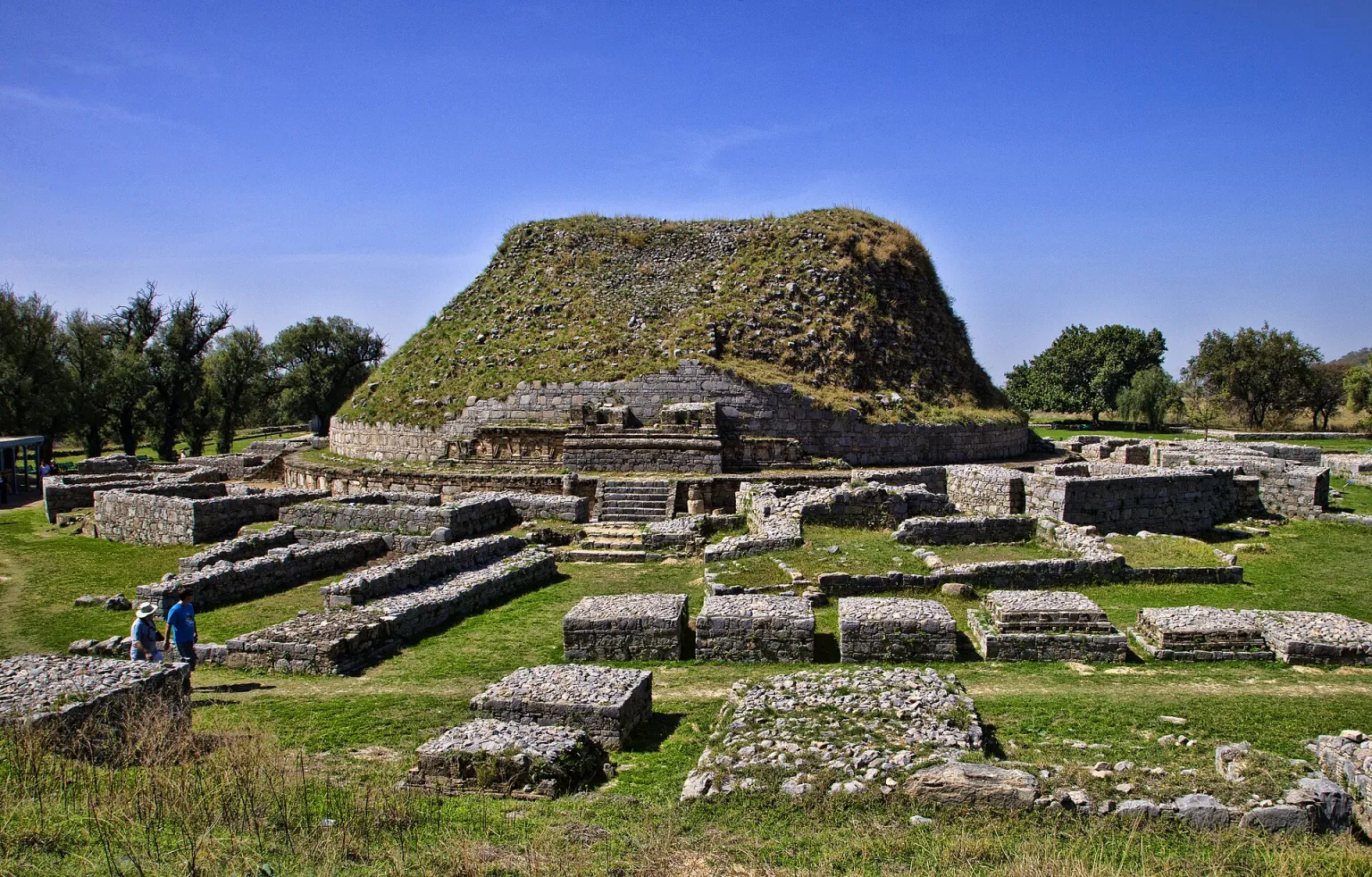
The large circular Dharmarajika Stupa surrounded by ruined monastic walls, Taxila
What a good Taxila family day looks like
Start with the museum and one outdoor archaeological site, rather than trying to collect every famous name in the valley. The museum helps children recognise objects and imagery; a ruin gives those objects a setting. A break between them is part of the plan, especially when travelling with younger children or relatives who prefer less walking.
Our editorial choice for a first visit is a small number of meaningful observations. Ask each child to find one carved detail, one everyday object and one clue to how a settlement worked. The aim is a conversation about a place, not a test or a race through display cases. Add another site only when the group still wants it and the visiting arrangements allow it.
Facts that help explain what you are seeing
| Fact | Source-backed context | Why it matters for the visit |
|---|---|---|
| 1980 | Taxila’s UNESCO World Heritage inscription year | The heritage property is a group of places, not one building |
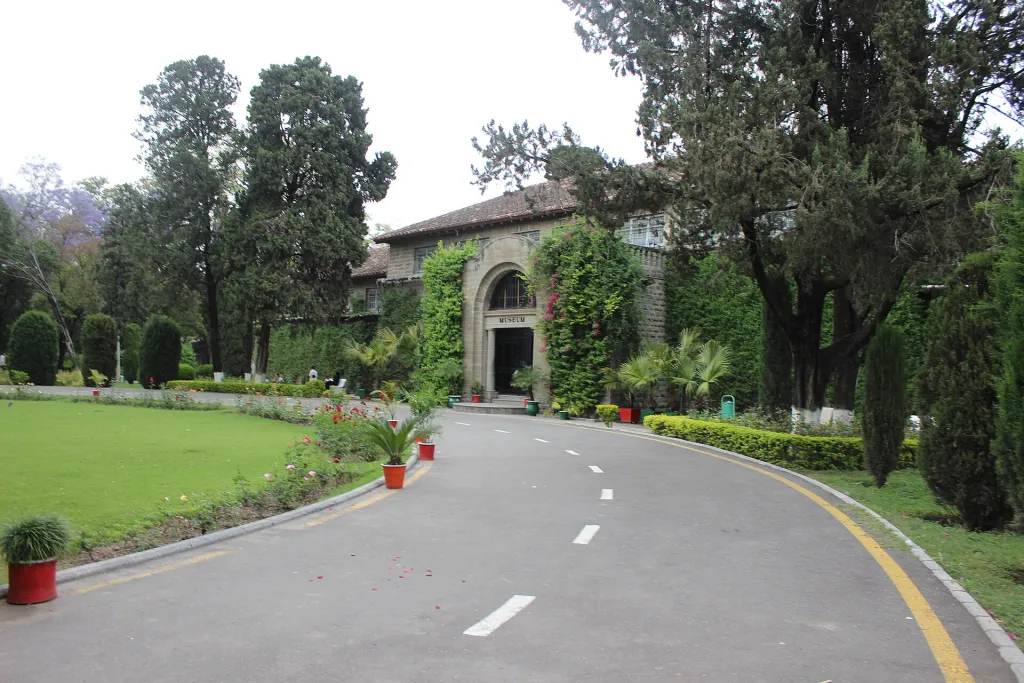
| 1928 | The federal archaeology department records the museum’s opening in this year | The museum is the interpretive starting point, separate from the ancient sites |
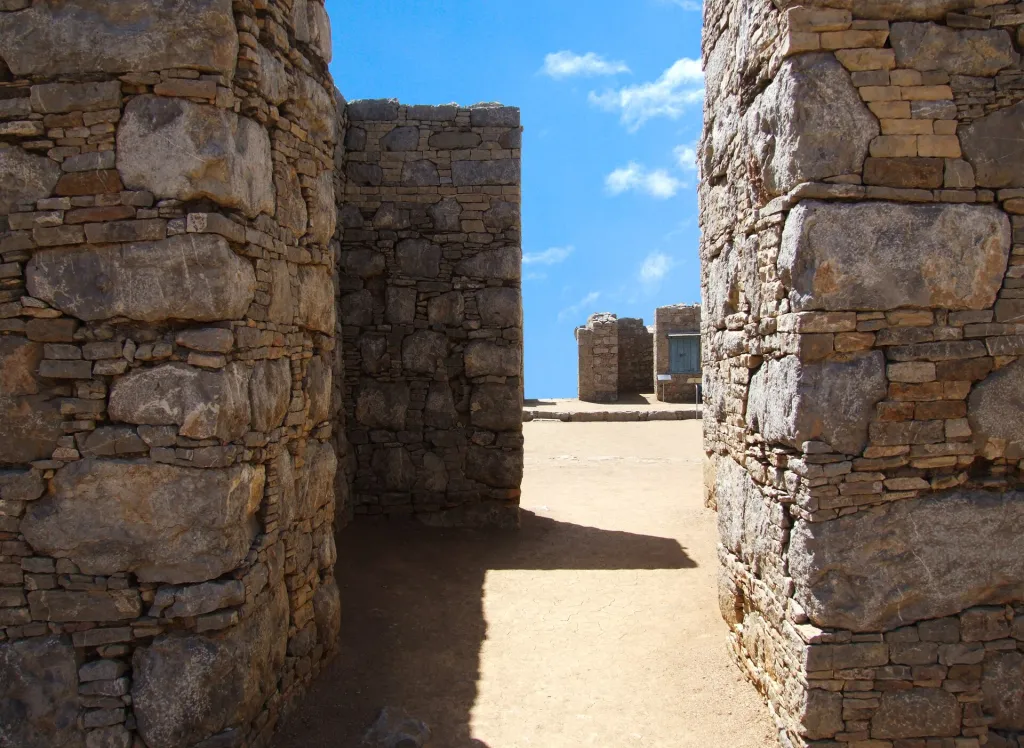
| About 100 metres above its nearby village | The archaeology department describes Jaulian’s hilltop setting this way | Consider the approach; this is not a count of steps or a promise of an easy ascent |
| Sirkap, Dharmarajika and Jaulian | Different archaeological settings within the wider Taxila story | Choose a site for what the family wants to understand, rather than treating them as duplicates |
UNESCO’s Taxila description traces changing settlements and cultural influences over a long period. Avoid presenting the entire valley as one city built in one year.
Museum first: make the visit manageable
Before departure, confirm the museum’s current open day and hours, whether the relevant galleries are available, and any bag or photography rules. Ask whether tickets for the museum and outdoor site are separate. Keep the first museum session short enough for the youngest visitor to enjoy it, then decide whether to continue.
Inside, look closely rather than trying to read every label. Compare how a face, robe or decorative border is represented. Let children draw on their own paper if permitted, while keeping pencils and belongings away from exhibits. Ask a guide to explain one object in plain language instead of delivering an uninterrupted lecture for the entire visit.
Which ruin should you add?
| Site | What it can help explain | Planning question |
|---|---|---|
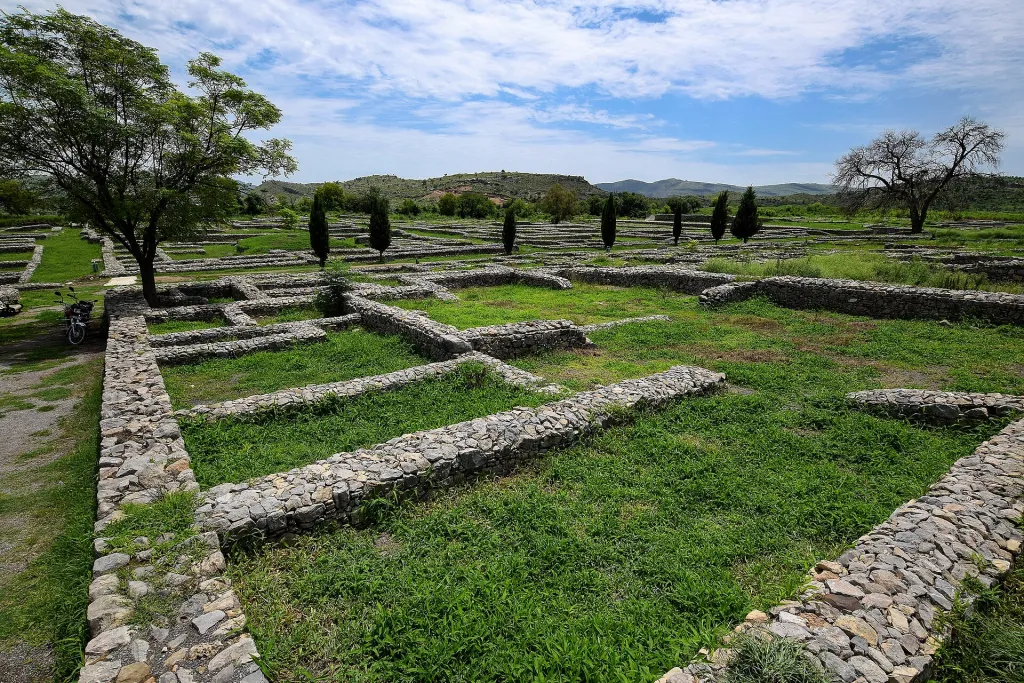
| Sirkap | Streets, buildings and the organisation of an ancient settlement | What route is currently permitted, and how exposed is the walking? |
| Dharmarajika | A stupa and the arrangement of a Buddhist religious complex | Where can the vehicle stop, and which paths suit the group? |
| Jaulian | A monastery in a hilltop setting | What is the present approach, climbing and rest opportunity? |
For a group prioritising lower exertion, ask about the current walking routes at Sirkap or Dharmarajika before choosing. Do not assume a level-looking photograph establishes a step-free surface. Jaulian should be a deliberate choice after discussing the hill approach, rather than an automatic final stop after everyone is tired.
Who should visit and what should children expect?
Taxila suits families interested in ancient life, sculpture, architecture or a day that connects museum objects with real places. School-age children who enjoy asking how people lived may get more from a focused visit than from a long list of monuments. Younger children can still enjoy a short outing if the adults are willing to stop early.
Expect an archaeological landscape, not a theme park with a reconstructed ancient town. Some meanings will need explanation, and outdoor stops can involve uneven ground and limited shade. Agree a simple rule: look, ask and photograph where permitted; do not climb ruins, move stones, touch protected carvings or take objects away.
When to go and how to build in breaks
The cooler part of the year is generally easier to consider for an outdoor heritage day in the Islamabad–Taxila area. In warmer conditions, place the outdoor stop in the more comfortable part of the day, preserve water and shade breaks, and be prepared to make the visit museum-only. Rain can also change the usefulness of exposed paths.
Check the forecast rather than treating a recommended season as a weather promise. Confirm toilets and a meal stop in advance. Do not assume that every ruin has the same facilities as the museum, or that a food stall will be open when your group arrives. Carry the essentials the children normally need without turning the day bag into another burden.
Getting there and a flexible day sequence
From Islamabad or Rawalpindi, agree the museum and chosen site by name with the driver and save both map pins. Include waiting time and the return trip in the quotation. “Taxila tour” can mean different combinations, so put the proposed stops in writing before paying. Do not combine the visit with a separate lake outing simply because both appear on a regional map.
An illustrative sequence is arrival at the museum after confirmed opening, a short museum visit, a proper break, then the chosen outdoor site if the group wants to continue. Keep departure flexible enough to miss neither an essential connection nor a child’s needed rest. If an opening arrangement changes, select another confirmed site or shorten the day rather than improvising access.
Costs, guides and a checklist for the day
- Confirm current museum and site tickets for your actual guest categories; no undated price is quoted here.
- If hiring a guide, agree language, duration, stops and fee, including whether any admissions are additional.
- Check the car-to-entrance route, paths, stairs, toilets and places to sit for anyone with access needs.
- Bring water, suitable shoes and weather protection, and use bins or carry waste out.
- Keep one optional stop and one clear point at which the family can decide to finish.
Read the Taxila destination guide for broader history and lower-walking travel advice when planning for a mixed-age group.
Frequently Asked Questions
Can we see all the Taxila sites in one day?
A first family visit is usually better with the museum and one selected ruin. The World Heritage property contains several distinct places; trying to cover everything reduces time to understand them.
Which Taxila site is best for children?
Choose according to the question they enjoy: Sirkap for settlement layout, Dharmarajika for a religious complex, or Jaulian for a monastery after checking the hill approach.
Is Jaulian step-free?
No accessibility claim is made. The official record describes a hilltop setting; ask about the actual present route, steps, surface and assistance before choosing it.
Do museum and outdoor tickets have the same terms?
Confirm directly. Ticket categories, opening arrangements and separate site admissions should be checked for your date rather than inferred from another visitor’s receipt.
Keep Exploring
Related places and stories on DailyLife.pk

How we know this
- Type Practical guide
- Sources 5 (5 official/academic)
- Reviewed October 2026
- Disputed points None
Rules and fees change, confirm with the official links below before you act.
5 sources
- Taxila World Heritage property, UNESCO World Heritage Centre
- Taxila Museum, near Rawalpindi, Department of Archaeology & Museums Pakistan
- Taxila sites and Jaulian setting, Department of Archaeology & Museums Pakistan
- Sirkap protected archaeological site, Department of Archaeology & Museums Pakistan
- Official weather forecasts and alerts, Pakistan Meteorological Department
Photo credits (4)
- Dharmarajika stupa,Taxila.jpg, Sasha Isachenko, CC BY-SA 3.0, via Wikimedia Commons
- Museum taxila front.jpg, Junaidgondal0, CC BY-SA 4.0, via Wikimedia Commons
- Sirkap ruins.jpg, Teseum, CC BY-SA 4.0, via Wikimedia Commons
- Jaulian taxila.jpg, Amjad Sheikh, CC BY-SA 3.0, via Wikimedia Commons
