
Ingredients & Spices · The complete guide
Kashmiri chilli powder (Kashmiri lal mirch)
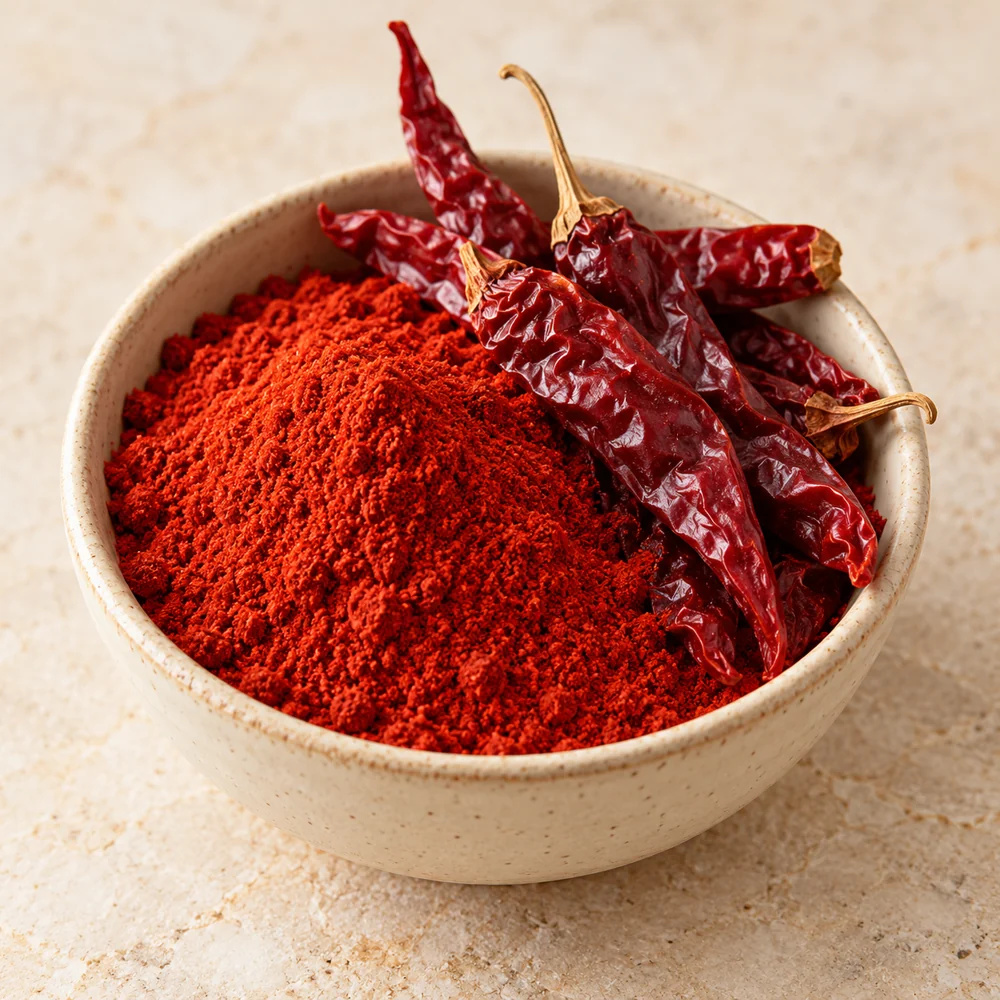
Kashmiri chilli powder is a red Capsicum seasoning prized for colour and relatively restrained heat compared with many hot chilli powders.
What it is and names to know
Kashmiri chilli powder is a red Capsicum seasoning prized for colour and relatively restrained heat compared with many hot chilli powders. Commercial products vary, and the name alone does not guarantee a particular cultivar or geographic origin.
Origins, producing regions and Pakistan context
Chillies came to Asia from the Americas. Their later role in Kashmiri and wider South Asian cooking should be described as culinary adaptation, rather than proof that the crop was native to Kashmir.
India and Pakistan sell labelled Kashmiri-style powders, with ingredient sourcing varying by brand. A product packed outside Kashmir can be a blend selected for colour and flavour. Whole and processed forms can cross borders separately: a spice may be imported, milled and repacked before sale in Pakistan. The growing countries listed here are not a claim about the direct supplier of a particular Pakistani packet.
Background: Royal Botanic Gardens, Kew: plant identity and range.
Types and buying advice
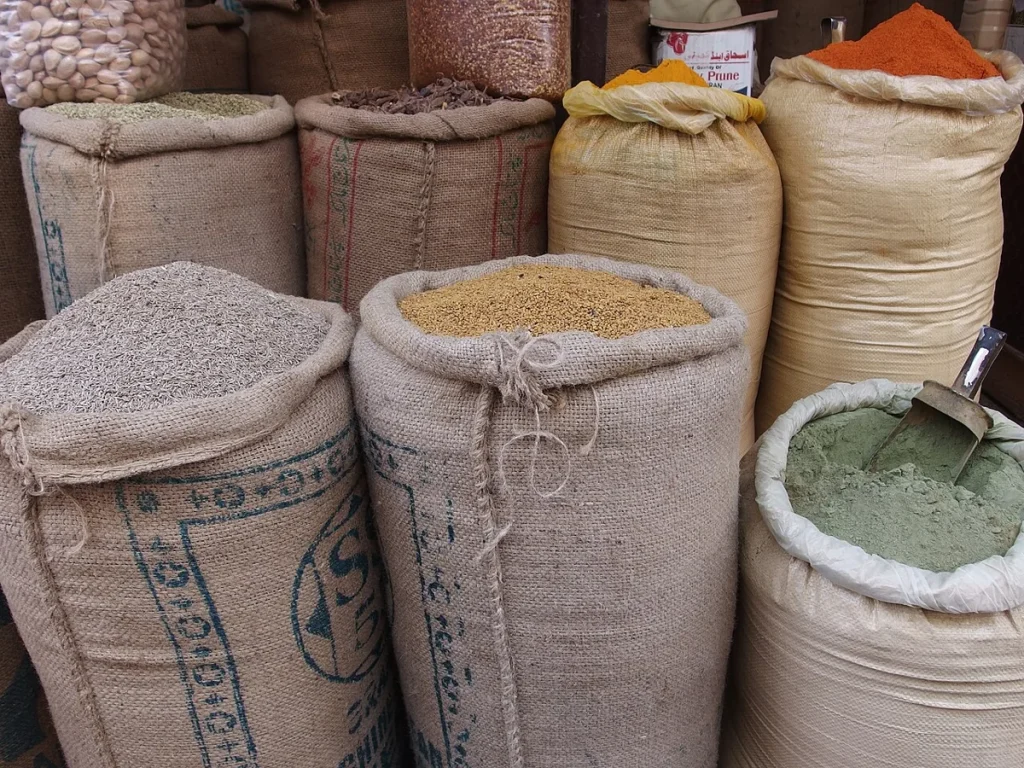
Check the ingredients and stated heat instead of assuming every Kashmiri-labelled powder is one cultivar grown in Kashmir. Colour is not a purity test.
How to cook with it
Use for red colour in rogan josh, tandoori marinades, karahi masala or a tomato-based gravy. Mix powder with a little water before adding to a hot pan when the recipe would otherwise scorch it.
Keep separate control of colour and heat: add the mild powder for the first, then a small amount of hotter chilli if necessary. Taste a new brand before replacing the old one by volume.
Use a mild red powder to establish colour, then decide whether additional heat is needed. This is more controllable than adding a very hot powder until the gravy looks red enough. For a marinade, mix thoroughly before coating the meat so pigment and spice are even. Food colouring is a separate ingredient and supplies no chilli flavour. If a dish is already too hot, adding more mild powder may deepen colour but does not remove the existing pungency.
Try the ingredient in Butter Chicken, Chicken Karahi, Mutton Rogan Josh. Follow each recipes specified form and quantity, since whole pieces and fine powder season food differently.
For related pantry ingredients, see the Pakistani ingredients and spices guide.
In a pale yoghurt marinade, whisk the powder through the yoghurt before coating the food so colour and seasoning spread evenly.
Nutrition and realistic benefits
Ground spices contain plant compounds and varying amounts of fibre and minerals, but a normal recipe uses only a small quantity shared among several people. A high nutrient figure per 100 grams is therefore a poor description of what one serving supplies. The useful everyday benefit is flavour, colour or acidity in ordinary food. There is no need to increase the dose to pursue antioxidant claims, and a capsule or concentrated extract cannot be evaluated as if it were the powder in a curry.
Disadvantages and precautions
Mild is relative, not heat-free. Buy traceable food-grade spice; an unusually vivid colour is not evidence of purity or a nutritional advantage.
Dry spices are not sterile foods. FDA food-safety guidance explains practical handling. Buying from a traceable food supplier is more dependable than trying to judge safety from appearance alone.
Substitutions and storage
Sweet paprika with a little hot chilli gives a useful adaptation. It will not reproduce every Kashmiri powder, and smoked paprika introduces a separate flavour.
Store in a tightly closed container away from light, steam and cooking heat. Take the required amount with a dry spoon rather than shaking the open packet over a boiling pan. Ground particles expose more surface to air, so buying a modest pack is usually better than keeping a large stale supply. Check aroma as well as the printed date. Caking from dampness, visible mould, insects or an unusual musty smell calls for disposal, not extra roasting.
Names and forms used in our recipes
View the recipe names covered by this guide
- kashmiri chilli powder
- kashmiri red chilli powder
- mild kashmiri chilli powder
Frequently Asked Questions
How can I control red colour separately from heat?
Use a mild red powder to establish colour, then decide whether additional heat is needed. This is more controllable than adding a very hot powder until the gravy looks red enough.
What can I use instead of kashmiri chilli powder?
Sweet paprika with a little hot chilli gives a useful adaptation. It will not reproduce every Kashmiri powder, and smoked paprika introduces a separate flavour.
What is the main caution with kashmiri chilli powder?
Mild is relative, not heat-free. Buy traceable food-grade spice; an unusually vivid colour is not evidence of purity or a nutritional advantage.
Keep Exploring
Related places and stories on DailyLife.pk

How we know this
- Type Explainer
- Sources 4 (2 official/academic)
- Reviewed November 2026
- Disputed points None
4 sources
Photo credits (1)
- Spice market @ Walled City @ Lahore (15449651456).jpg, Guilhem Vellut from Annecy, France, CC BY 2.0, via Wikimedia Commons
