
Things to do
Join a Beginner Stargazing Session around Islamabad
PakAstronomers Islamabad describes observational sessions and public outreach in the Islamabad and Rawalpindi region. Pakistan Science Club also.
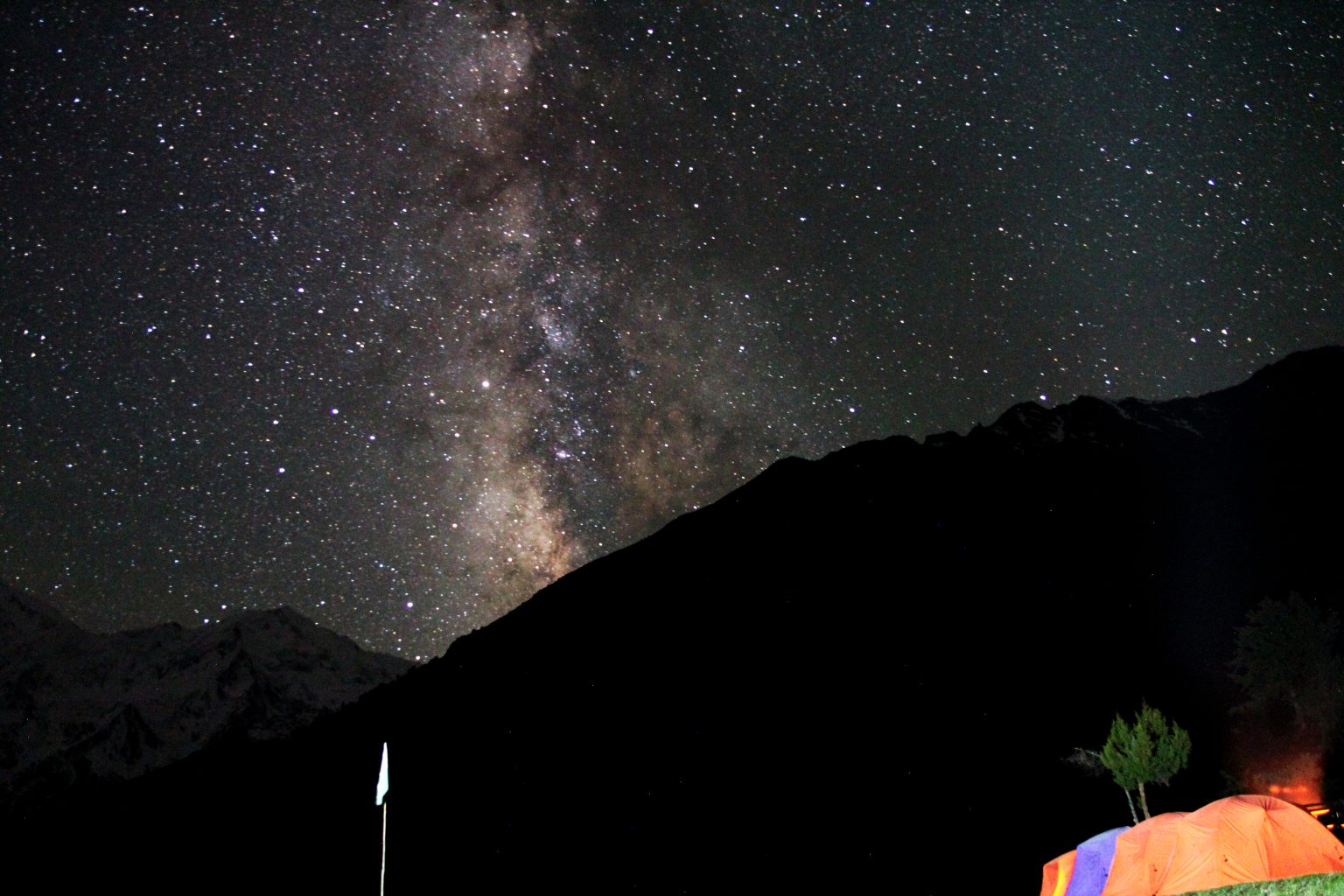
Night-sky illustration photographed at Fairy Meadows; Islamabad city skies and event views will differ.
Start with a group, not a remote dark road
PakAstronomers Islamabad describes observational sessions and public outreach in the Islamabad and Rawalpindi region. Pakistan Science Club also maintains an astronomy community programme. These are real starting points for an enquiry, not a promise of a public telescope every evening. Choose an explicitly advertised or directly confirmed beginner session with a clear meeting place and responsible host.
This activity is suitable for people happy to wait, share equipment and accept that clouds may change the plan. A city session can be worthwhile even when faint objects are invisible. It avoids the need to improvise access to a remote hill, private rooftop or insecure roadside location simply because a map looks dark.
Confirm what the session actually offers
Ask the organiser for the venue, date, weather decision process, age guidance and whether equipment is supplied. Determine whether the event is public, members-only or hosted by an educational institution with its own entry requirements. A society’s past collaboration with a university does not give visitors access to that campus tonight.
Ask what kinds of object are realistic for the date and location, but avoid a fixed shopping list of planets. Visibility depends on the sky, season, time and local conditions. National Hydrographic Office sun-and-moon tables can help with timing context; a telescope session still needs the organiser’s current plan. Do not confuse a bright point with a named planet without reliable identification.
A useful first observing sequence
Begin with a naked-eye orientation led by the host. Learn the direction being discussed and how an object is located before joining a telescope queue. At the eyepiece, follow the operator’s instructions on where to stand and how to focus, if adjustment is allowed. Do not grab the instrument or lean body weight on it.
Take a patient look rather than expecting the colour and detail of a processed astronomy photograph. Ask which feature is actually visible and which comes from explanation. If a child cannot find the image, let the host help without pressure. A brief successful view of one object is a better introduction than repeated rushed attempts at several.
Explore the places and guides mentioned
Photographs show the linked places or guide subjects. Open each page for its own visiting and planning information.

Light, equipment and safety
Ask whether a dim red light is appropriate and keep bright phone screens away from people observing. Let eyes adjust while remaining aware of safe footing. Never aim binoculars or a telescope at the Sun, and do not use any solar-viewing setup unless a qualified host provides the correct purpose-made protection and supervision. This article describes a night session, not a solar-observation activity.
Carry a warm layer, comfortable shoes and necessary medication. A compact binocular may be useful if you already have one, but do not buy expensive equipment before trying a hosted session. Ask before attaching a phone or camera to an eyepiece; photography can slow a queue and may need additional equipment or permission.
Family fit, access and the return journey
Confirm firm ground, steps, toilets, seating and whether the eyepiece can be positioned for a child or a seated visitor. Standing in darkness on uneven ground can be difficult even for someone who manages an ordinary daytime walk. Explain access needs before the event, so the organiser can describe what is possible rather than improvising after arrival.
Arrange both directions of transport using the confirmed meeting point. Do not leave the group to find a darker spot independently or rely on an unplanned ride after a late finish. Cloud, fog, haze and rain can cancel the observing component. A talk or indoor alternative should be treated as available only if the host explicitly offers it.
Costs and realistic rewards
Ask whether there is a fee, registration requirement or membership condition, and what payment covers. Clarify the cancellation and refund process for poor weather. Add transport and any optional refreshments, without assuming the group supplies food or a vehicle.
Afterward, write down what you directly saw and what the host explained. Keep photographs labelled honestly; a phone image through an eyepiece and a downloaded reference picture are different records. The reward is learning how to observe and ask better questions. You do not need a dramatic galaxy image or a remote overnight trip for the evening to be successful.
Continue planning your trip
Frequently Asked Questions
Is there a public session every night?
No schedule is promised. Contact the group or use a current public-event announcement.
Will I see the colourful images shown online?
Eyepiece views usually differ from processed photographs. Ask the host what detail is realistic for the conditions.
Should I buy a telescope first?
A hosted beginner session lets you learn what interests you before making an equipment purchase.
How we know this
- Type Practical guide
- Sources 3 (1 official/academic)
- Reviewed October 2026
- Disputed points None
Rules and fees change, confirm with the official links below before you act.
3 sources
- Welcome to the home page of PakAstronomers, PakAstronomers Islamabad
- PSC Astronomy Club, Pakistan Science Club
- Sun R/S Moon R/S Table, National Hydrographic Office Pakistan
Photo credits (3)
- Milky way over Fairy Meadows, Gilgit, Pakistan.jpg, M.Ahmad Hussnain, CC BY-SA 4.0, via Wikimedia Commons
- Faisal Mosque, Islamabad III.jpg, Fassifarooq, CC BY-SA 4.0, via Wikimedia Commons
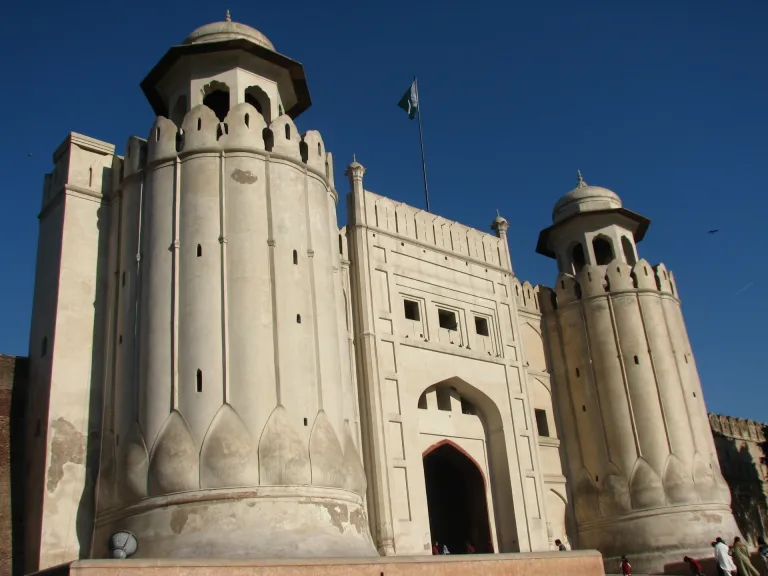
- Alamgiri Gate - Main entrance to Lahore Fort.jpg, S.hassanjawad, CC BY-SA 3.0, via Wikimedia Commons
