
Things to do
Plan a Patient Winter Birdwatching Session at Uchhali
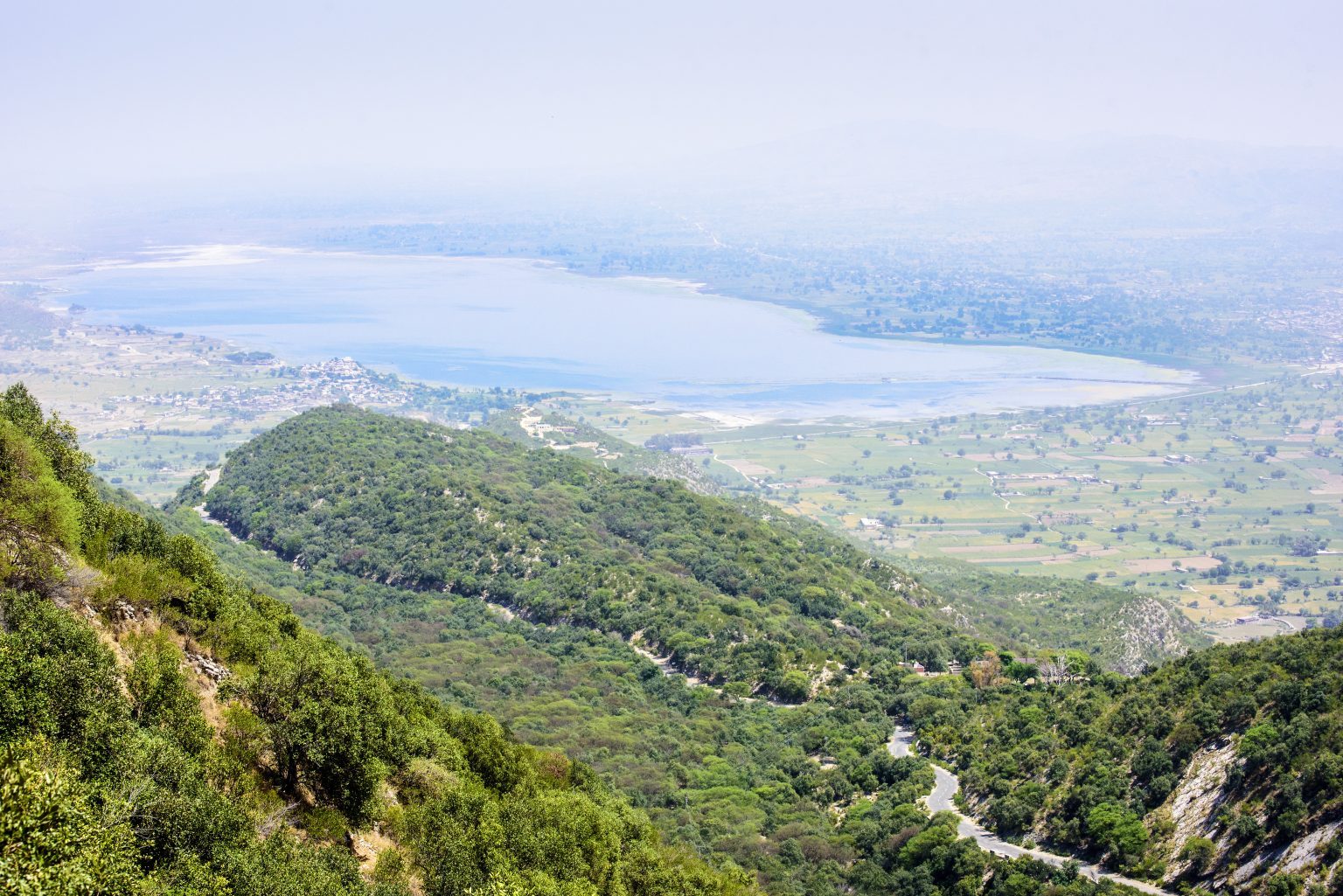
The Uchhali wetland complex in Punjab includes Uchhali, Khabbaki and Jahlar lakes in the Soon Valley. Ramsar records establish its conservation.
Uchhali Lake in the Salt Range; bird sightings and current shore access vary.
Watch a wetland rather than chase a species
The Uchhali wetland complex in Punjab includes Uchhali, Khabbaki and Jahlar lakes in the Soon Valley. Ramsar records establish its conservation importance, while research documents the wetland system and winter bird use. These sources support a birdwatching theme; they do not promise that a particular species will be visible from a public shore on a chosen day.
Plan a quiet observation session from an authorised, stable place. This suits patient adults, older children and beginners happy to watch common behaviour as well as unusual birds. A species list should be preparation, not a demand that a guide produce a threatened bird. Start with one lake and one suitable observation point rather than trying to cover the entire complex.
Check access before travelling
Ask the responsible wildlife authority or a reliable local contact where visitors may stand, whether any area is restricted and what the current approach is like. A Ramsar designation is not a public-access licence. Cultivated land, private ground and sensitive habitat still require respect. Do not follow an online map line across fields or drive toward the water’s edge for a closer view.
Use the current local conditions to choose a short return walk or a mostly stationary session. If a suitable public observation point cannot be confirmed, postpone. Newly announced tourism projects should not be treated as operating hides, lodges, boat services or accessible paths without verification.
A beginner’s observation sequence
Begin by scanning the whole visible area without raising binoculars immediately. Notice where birds are concentrated and what they are doing. Then use binoculars to examine one group from a distance. Describe size, shape, movement and feeding behaviour before attempting a name. A field guide or experienced birdwatcher can help, but an uncertain identification should remain uncertain.
Keep a small record with date, approximate location, weather and observations. Distinguish birds directly seen from species mentioned by another visitor. Numbers can be estimates rather than precise counts, especially in a moving flock. A notebook that says “unidentified ducks resting offshore” is more useful than an impressive but unsupported list.
Explore the places and guides mentioned
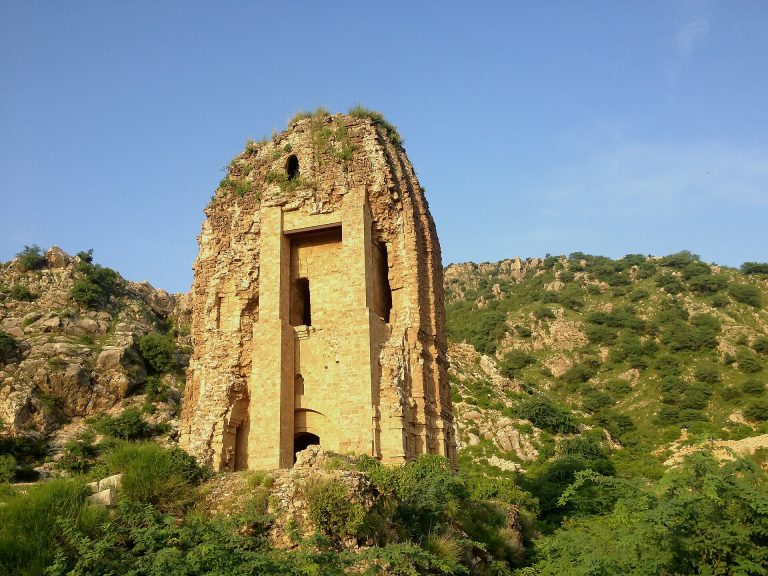
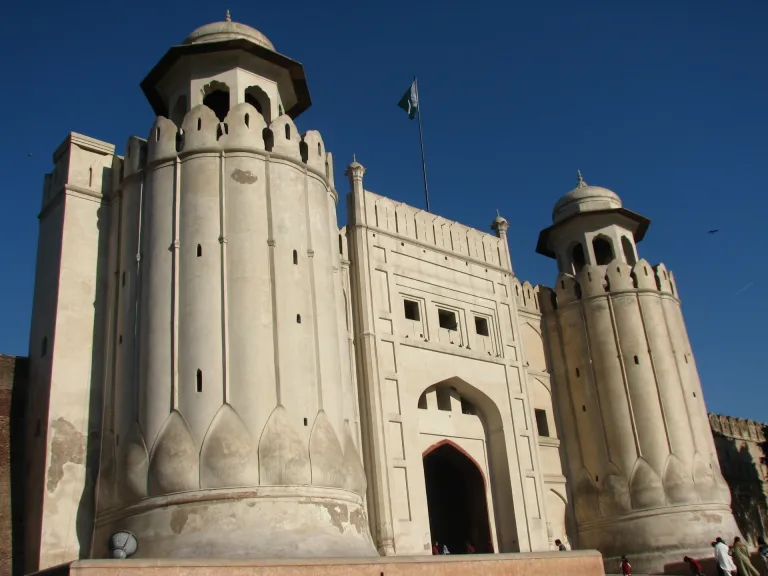
Photographs show the linked places or guide subjects. Open each page for its own visiting and planning information.
Keep the birds in control of distance
If birds become alert, move away or change behaviour because of your approach, increase distance and stop advancing. Do not use calls, food, stones, boats or vehicles to make them move for a photograph. A longer lens is not a reason to cross a boundary. Avoid revealing a sensitive nest or roost location publicly.
For children, set a quiet task such as comparing two feeding behaviours. Keep the session short enough that patience does not collapse into running toward the flock. A seated observation from an approved firm place can be a complete activity. There is no need to reach the shoreline, enter water or collect feathers to make the visit tangible.
Season, equipment and the road journey
Winter is the main planning context for migratory-bird interest, but weather and water conditions vary between years. Check the current forecast and local reports instead of relying on a fixed list of expected birds. Cold wind can make a stationary session uncomfortable; fog can reduce visibility enough to undermine the outing.
Bring binoculars, a field guide or offline reference, warm layers, sun protection, water and stable footwear. Plan the return vehicle and daylight margin before setting out. Ask about toilets, seating and the surface at the proposed observation place. A lake landscape should not be advertised as wheelchair-accessible merely because a car can reach a nearby road.
Costs and expectations
Check any current access or parking charge through the responsible local source. If hiring a guide, agree their expertise, route, fee and cancellation arrangement; sightings remain outside anyone’s control. Add transport, waiting time and food outside the sensitive area. Do not buy an unnecessary boat option because it sounds closer to the birds.
End by reviewing what the session revealed about the habitat, including human activity and disturbance. A quiet hour with a few accurate observations can be more valuable than a long drive between lakes. The aim is to leave the birds using the wetland as they were before your arrival.
Continue planning your trip
Frequently Asked Questions
Are white-headed ducks guaranteed?
No. Conservation records describe the wetland’s importance, not sightings on a particular visit.
Can I walk around the entire lake?
Only use a route the responsible local authority confirms is permitted and suitable. Land ownership and habitat restrictions matter.
Do beginners need a telescope?
Binoculars and patience are enough to begin. A guide or scope may help at distance, but neither justifies approaching birds.
How we know this
- Type Practical guide
- Sources 4 (1 official/academic)
- Reviewed October 2026
- Disputed points None
Rules and fees change, confirm with the official links below before you act.
4 sources
- Annotated List of Wetlands of International Importance: Pakistan, Ramsar Sites Information Service
- Wise Use Resource: Pakistan — Management Plan Uchhali Wetlands Complex, Convention on Wetlands
- Uchalli Wetlands Complex bird study, Pakistan Journal of Zoology
- Wildlife Sanctuaries, Punjab Wildlife and Parks Department
Photo credits (3)
- Uchalli Lake, Salt Range, Pakistan.jpg, ZILL NIAZI, CC BY-SA 4.0, via Wikimedia Commons
- Amb Temple in Soon Sakasar Valley Khushab - west side.jpg, Djshaheer, CC BY-SA 4.0, via Wikimedia Commons
- Alamgiri Gate - Main entrance to Lahore Fort.jpg, S.hassanjawad, CC BY-SA 3.0, via Wikimedia Commons
