
Things to do
Arrange a Mangrove Learning Session at Sandspit
Sandspit’s mangroves offer a way to understand Karachi’s coast beyond a beach picnic. WWF-Pakistan’s education material identifies exposure visits to.
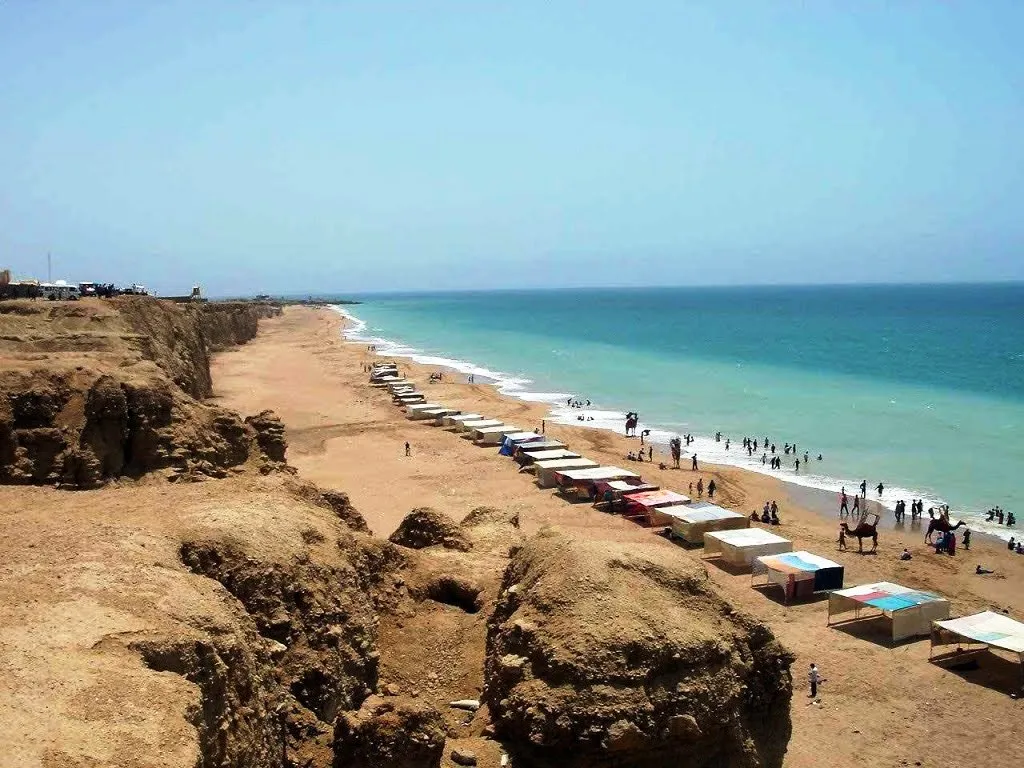
Karachi’s western coast, regional context for a Sandspit education visit; the Wetland Centre is not shown.
Begin with the education programme
Sandspit’s mangroves offer a way to understand Karachi’s coast beyond a beach picnic. WWF-Pakistan’s education material identifies exposure visits to its Wetland Centre, and the centre is also recorded by Wetland Link International. Use those institutional leads to enquire about a hosted learning session. They do not establish that an individual can arrive without notice or that a boat trip, planting activity or wildlife encounter is currently offered.
The experience is most suitable for a small group interested in coastal ecology and willing to accept the host’s limits. Schools and families should explain ages, supervision and access needs before making transport arrangements. Ask the host to define a realistic land-based session first.
Confirm the actual activity and route
Request the current meeting point, entry arrangement, teaching content and permitted outdoor areas. Ask whether tide or weather changes affect the session and who decides when to cancel. If the host offers an additional activity, obtain its separate safety and access information rather than assuming it is part of a standard visit. A previous school outing does not guarantee the same programme for another group.
Keep the learning objective clear: understand how tidal water, mud and vegetation create a coastal habitat. A talk, interpreted display and a short authorised view can answer that question without entering soft mud or approaching animals. Do not add independent access to a mangrove area after the hosted part ends.
What to notice from an approved place
Look at the relationship between water level, exposed ground and vegetation. Ask the educator which features can be interpreted reliably and which depend on season or tidal stage. A mangrove is not simply a tree beside the sea; the setting matters. Keep any species name tied to the host’s identification rather than guessing from an online image.
For children, a simple drawing can connect three elements: water, plants and animals or human activity discussed by the educator. Nothing needs to be collected. A distant bird or an empty patch of mud can be part of a useful observation. Avoid turning the session into a wildlife checklist that pressures the host to produce sightings.
Explore the places and guides mentioned
Photographs show the linked places or guide subjects. Open each page for its own visiting and planning information.


Conservation participation requires a plan
Do not assume planting a sapling is always the most useful visitor contribution. Site choice, species, tide and aftercare affect restoration. Join planting only when a responsible host has designed and supervised the activity. The same applies to cleanup: use the organiser’s equipment and waste-handling process, and leave sharp, medical or suspicious items to trained people.
Ask how the programme supports local communities and habitat management. Pay any agreed educational fee and give local working areas priority. Photography should not interrupt instruction or turn residents into scenery. Never handle turtles, eggs, birds or other wildlife, and do not approach a nesting area because an old account describes a previous group doing so.
Preparation, transport and family access
Use the venue details supplied with confirmation. Sandspit is a different journey from central Clifton, and traffic or rain can extend the transfer. Arrange the return before departure and give the driver the correct meeting point. Do not make the outing depend on finding an unplanned boat or vehicle afterward.
Bring sun protection, drinking water, closed footwear and clothing suitable for the host’s approved route. Ask about toilets, shade, seating, steps and firm surfaces. Soft mud and uneven coastal ground can prevent access even when an indoor teaching area is usable. Heat and humidity can be tiring for children and older visitors; a shorter hosted session may be the right choice.
Costs and a useful outcome
Request a quotation that states whether teaching, site access, equipment and transport are included. Clarify group size, supervision and weather cancellation terms. Do not pay for an advertised wildlife sighting or treat a boat option as guaranteed. Keep a separate budget for the road transfer and a meal outside sensitive habitat.
Afterward, record one relationship you understand better, such as how vegetation and tidal conditions connect, and one practical behaviour you can change. The session succeeds when it improves understanding and reduces disturbance. It does not require a dramatic animal photograph, a planted sapling or a full-day excursion to count as worthwhile.
Continue planning your trip
Frequently Asked Questions
Can I arrive at the Wetland Centre without booking?
Ask WWF-Pakistan to confirm the current visitor arrangement. Programme records do not prove unrestricted public entry.
Is mangrove planting included?
Only if the host explicitly offers a supervised, appropriate activity with aftercare. Do not plant independently.
Will there be a boat ride?
No boat ride is promised here. Any offered water activity needs separate confirmation of safety, conditions and cost.
How we know this
- Type Practical guide
- Sources 3
- Reviewed October 2026
- Disputed points None
Rules and fees change, confirm with the official links below before you act.
3 sources
- Eco Internship Programme, WWF-Pakistan
- Sandspit Wetland Centre, Wetland Link International
- Outdoor Education Programme, WWF-Pakistan
Photo credits (3)
- HawkesBay.jpg, Rana Khadim, CC BY-SA 3.0, via Wikimedia Commons
- Karachi Skyline 1.jpg, Ktownboy103, CC0, via Wikimedia Commons
- Alamgiri Gate - Main entrance to Lahore Fort.jpg, S.hassanjawad, CC BY-SA 3.0, via Wikimedia Commons
