
Things to do
Plan a Quiet Forest Listening Walk on the Galiyat Pipeline Track
The Dunga Gali–Ayubia Pipeline Track is associated with a comparatively gentle forest walk, but an easy reputation is not a guarantee of current.
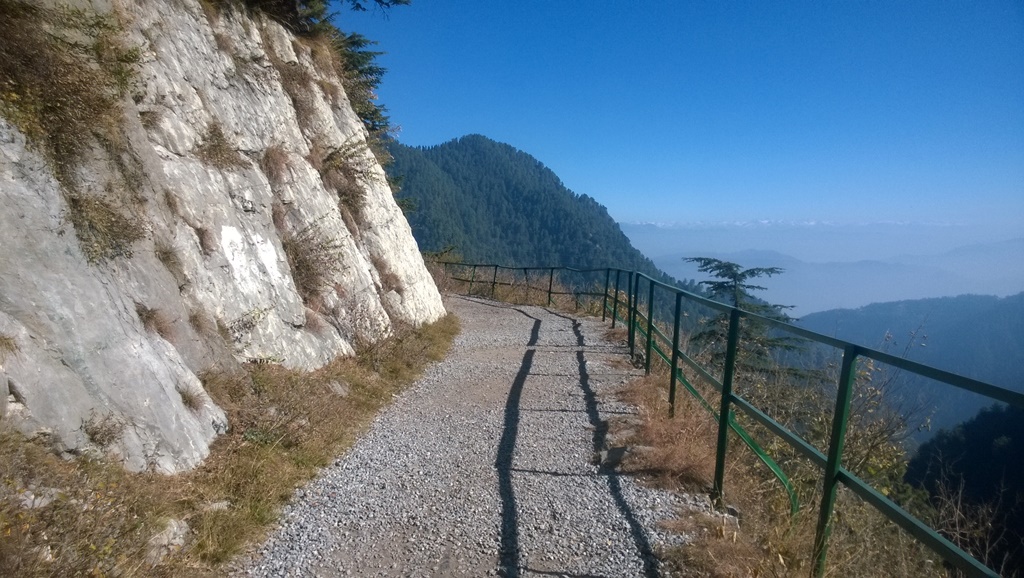
The Pipeline Track in Ayubia National Park; check present access and surface conditions before walking.
Who this experience suits
The Dunga Gali–Ayubia Pipeline Track is associated with a comparatively gentle forest walk, but an easy reputation is not a guarantee of current surface conditions or universal access. Make the objective listening and noticing rather than reaching a viewpoint quickly. The outing suits walkers who can manage the confirmed route and are willing to turn back well before tiredness becomes a problem.
Choose the actual stops
Dunga Gali entrance to the Pipeline Track; a short permitted section of the established path; Ayubia end only if the complete route and transport are confirmed.
The main activity
Pause without conversation for a minute at a safe widened point. Compare sounds close to the path with those farther into the forest. Look at changes in tree cover and light without leaving the track. Do not play bird calls or crowd an animal for a photograph.
A quiet forest walk needs room for other users. Pause where the path widens and keep the through-route clear. Listen first, then discuss what you heard while moving again. If a sound cannot be identified, describe its rhythm or direction rather than playing recordings to make a match. Playback can disturb wildlife and changes the experience for everyone around you.
Explore the places and guides mentioned
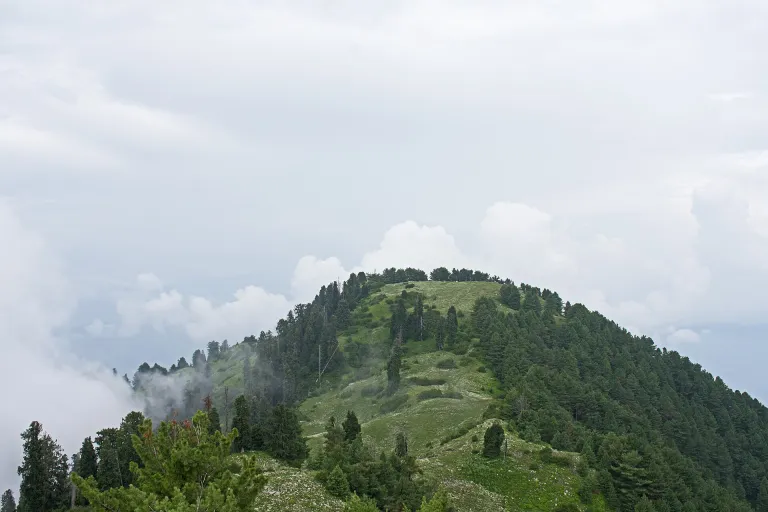
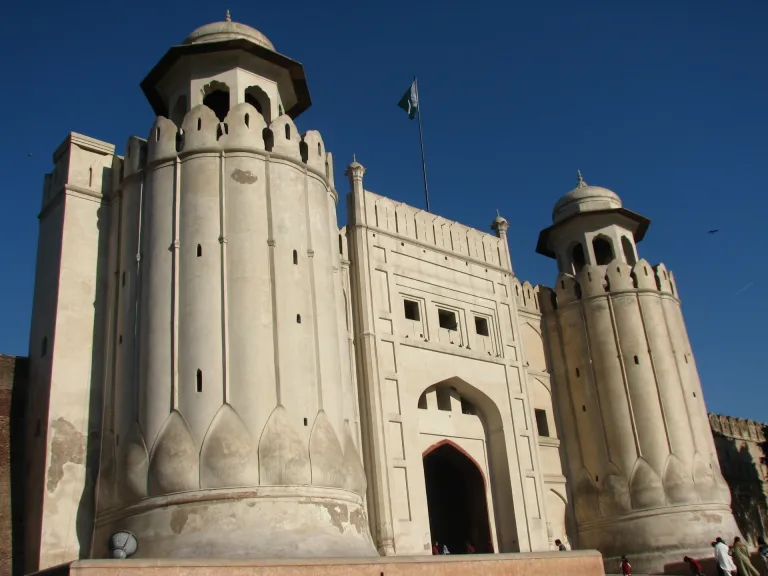
Photographs show the linked places or guide subjects. Open each page for its own visiting and planning information.
A realistic suggested sequence
Ask the local authority or park staff about current access and choose either a short return walk or a one-way route with a confirmed pickup. Online distances vary with start and end points, so use the current local route rather than treating one internet figure as a fixed promise.
Make the experience more rewarding
Before deciding on a one-way walk, think through the less attractive ending: what happens if the pickup is delayed, weather deteriorates or a child refuses to continue? A short return route from one known entrance may offer a better experience than a longer crossing. The same applies to photography. A few minutes in a safe place can produce a useful record of tree cover and light; leaving the track for an unobstructed view creates unnecessary risk. An uneventful walk with time to notice the forest is the intended outcome, not a failure to reach a dramatic summit.
Establish a turn-back rule before setting out. It might be a time agreed with the group or a point confirmed by park staff, but it should leave margin for a slower return. Do not extend the route simply because the outward section felt easy. Wind, rain and tired children can change the pace, and a one-way plan is only sensible with a dependable pickup.
A listening activity can be structured around three pauses rather than continuous silence. At each safe stopping place, listen briefly, note a sound and then move on without blocking the path. Compare whether the sound seems human, mechanical or biological, keeping uncertain identification open. This gives a family a clear purpose without turning the forest into a performance venue.
If visibility or footing deteriorates, shorten the walk. A protected forest is not a place to search for an unofficial shortcut around a closed section. Keep all members of the group together and avoid leaving a tired participant alone at a quiet point. The experience is designed to be flexible: a short, considerate walk is more successful than completing a distance under conditions that no longer suit the group.
Getting there and returning
Agree whether the walk returns to Dunga Gali or finishes at Ayubia. For a one-way route, obtain a firm collection arrangement with a weather fallback; do not assume transport will be waiting. Road journeys in the Galiyat can take longer in rain, holiday traffic or winter conditions.
Season and weather decisions
Dry, clear days offer the most straightforward conditions. Rain brings slippery ground and reduced visibility; winter can bring snow and ice. Do not recommend a snow walk to inexperienced families on the basis that the summer path is relatively level.
Families, comfort and preparation
Ask about barriers, width, surface damage, gradients and toilets for your actual start point. Claims of wheelchair accessibility online do not prove an unassisted visitor can complete the track today.
Wear grippy shoes, carry a warm layer and rain protection, and bring drinking water. Tell someone the route and return plan; do not rely on refreshments being available along the path.
Costs to check before committing
Confirm any current park or track charge through the responsible local authority. Add parking and the cost of a return or one-way pickup, making sure the driver understands the agreed end point. A short return walk may be cheaper and simpler than arranging a full crossing. Do not buy a package that promises an operating chairlift or other attraction without current independent confirmation.
Leave the place and people respected
Stay together, leave no food waste, avoid fires and give wildlife space. Follow any closure immediately rather than trying an unofficial bypass.
Continue planning your trip
Frequently Asked Questions
Why do online distances differ?
Sources may use different start and end points. Confirm the actual route locally rather than treating one figure as universal.
Is the track automatically wheelchair-accessible?
No. Verify barriers, width, gradients, surface condition and assistance needs for the intended section.
Can a beginner walk it in snow?
A gentle summer reputation does not establish winter suitability. Obtain current advice and postpone if conditions exceed the group’s ability.
How we know this
- Type Practical guide
- Sources 3 (1 official/academic)
- Reviewed October 2026
- Disputed points None
Rules and fees change, confirm with the official links below before you act.
3 sources
- Galyat — Tourism Corporation Khyber Pakhtunkhwa, Pakistan Tourism Development Corporation
- Dunga Gali Pipeline Track — Galiyat Hiking Trail, PakTrails
- Galiyat Development Authority, Government of KP
Photo credits (3)
- Pipeline Track at Ayubia National Park.jpg, Junaid Aziz, CC BY-SA 4.0, via Wikimedia Commons
- Nathiagali Mushkpuri summit seen from the picnic area.jpg, Ymblanter, CC BY-SA 4.0, via Wikimedia Commons
- Alamgiri Gate - Main entrance to Lahore Fort.jpg, S.hassanjawad, CC BY-SA 3.0, via Wikimedia Commons
