
Things to do
Compare Blue Pottery on a Focused Craft Day in Multan
Multan’s blue pottery becomes easier to appreciate when the outing has a practical question: how does an object move from decorative tradition into a.
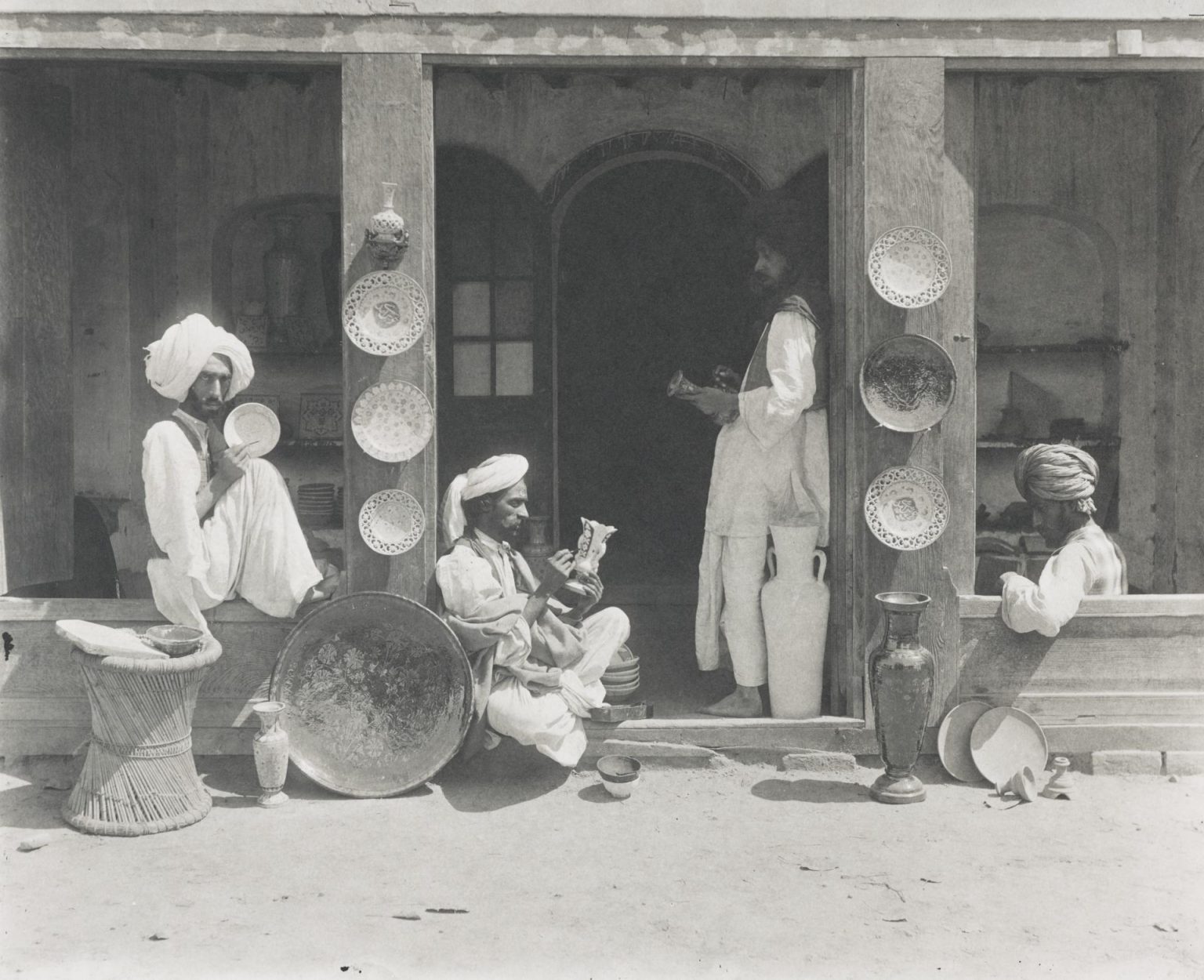
Multan potters photographed by Fred Bremner around 1902; historical craft illustration, not a present-day workshop or product range.
Who this experience suits
Multan’s blue pottery becomes easier to appreciate when the outing has a practical question: how does an object move from decorative tradition into a useful contemporary purchase? Punjab Small Industries Corporation recognises blue pottery among Punjab’s crafts. Build a small shopping and learning session around a confirmed display centre or seller rather than an unsupported promise of a drop-in workshop. A concrete contact is Multani Blue Art, whose own visit page gives a Nubahar Canal Road location in Samejabad; ask it to confirm present showroom access rather than treating the page as an appointment.
Choose the actual stops
Multani Blue Art’s showroom enquiry at Nubahar Canal Road, Samejabad, using the business’s own directions; a second locally confirmed pottery seller if useful.
The main activity
Compare a plate, tile and three-dimensional decorative piece if available. Ask about intended use, glaze safety, firing, repair and care. Record the maker rather than assuming that every blue object sold in Multan was produced in the city. For functional ware, request a clear answer about food contact and heat.
The word blue describes appearance, not a complete manufacturing specification. Ask what material forms the body, how the surface is decorated and which uses the maker recommends. A tile made for an interior decorative panel may not be suitable for an exposed outdoor wall. A vessel intended for display may not be appropriate for hot food. These are practical questions that a responsible seller should be willing to discuss without treating them as an insult to craftsmanship.
Explore the places and guides mentioned
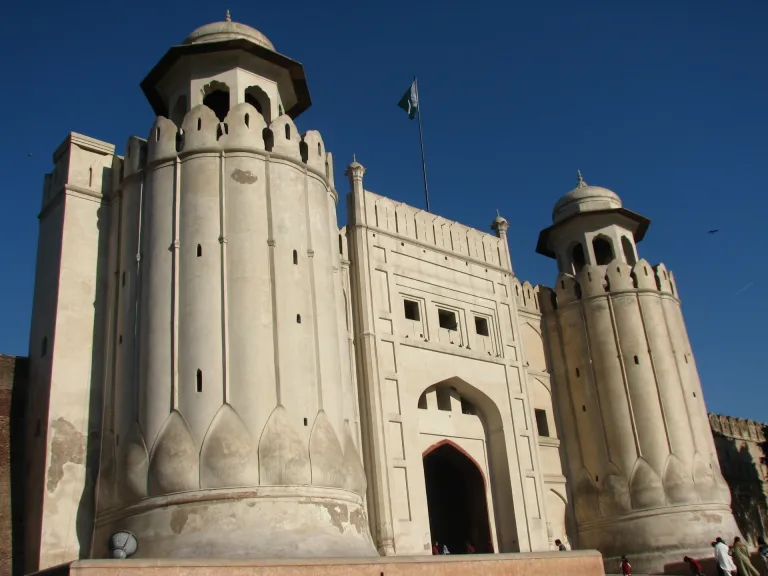
Photographs show the linked places or guide subjects. Open each page for its own visiting and planning information.

A realistic suggested sequence
Start with the appointment that can explain production, then take a break before deciding what to buy. Visit a second retail display only if comparison would help. Keep packing time in the schedule and do not combine the day with a long old-city route already covered by a general Multan itinerary.
Make the experience more rewarding
For a larger purchase, request the dimensions, quantity, price and delivery terms in writing. Agree how variation between handmade pieces will be handled and what happens if something arrives broken. A sample can help, but it does not replace clear specifications. If the visit is purely educational, state that at the appointment stage and agree any fee. That makes the maker’s time part of the plan and avoids the awkward expectation that a working business will host a free lesson in exchange for a possible future sale.
Start by asking a seller to explain two pieces that look similar but serve different purposes. A decorative plate and a serving plate may demand different questions about safety and care. Let the answer guide the comparison rather than assuming the object with more intricate painting is automatically the better purchase. Record the stated material and intended use clearly.
If you are visiting as a family, give children a visual task that does not involve handling stock: identify a repeated colour, compare two borders or describe how a pattern fits a curved surface. Adults can then ask the maker how that shape affects painting. A learning conversation should not require touching drying work or opening restricted production rooms.
For an architectural tile order, take accurate measurements and ask about installation, exposure and replacement. A sample seen in a shop cannot establish performance on a particular outdoor wall. Keep that decision separate from a casual travel purchase and seek appropriate technical advice where needed. The craft day is successful when it clarifies what to buy and what still needs checking, rather than encouraging a large order because the visit feels special.
Getting there and returning
Use a confirmed showroom address and a direct city transfer. Multan’s craft locations should not be treated as one continuous walk without checking distance and conditions. For purchases, ask whether collection or delivery is more sensible than carrying fragile pieces through additional sightseeing stops.
Season and weather decisions
Multan’s heat makes a short indoor-led schedule particularly valuable. Cooler months allow more comfortable browsing. Dust, rain and road delays can affect transfers even when shops remain open.
Families, comfort and preparation
Ask about seating, steps and parking near the actual showroom. Active production areas may involve heat, dust and restricted passages; a showroom can be the better choice for families and visitors with respiratory sensitivities.
Bring measurements, a padded bag and a list of questions about care. Heavy ceramics need safe luggage planning, especially if a flight follows the visit.
Costs to check before committing
Ask for price, dimensions, intended use, packing and delivery in the same quotation. A decorative tile and a food-contact vessel are not interchangeable products even when both are blue. For a set, agree how normal variation and damaged pieces will be handled. Add any pre-arranged educational visit fee. Keep enough budget for safe transport rather than spending the entire amount on ceramics that cannot travel securely.
Leave the place and people respected
Do not touch unfired or drying work, enter a kiln area or assume a photograph can substitute for payment for a demonstration.
Continue planning your trip
Frequently Asked Questions
Can a showroom arrange a lesson?
Ask directly. This article does not promise a hands-on class or a daily demonstration.
Are all blue tiles suitable outdoors?
No such claim is made. Confirm the particular product’s intended exposure and installation requirements.
How can I compare a set fairly?
Check size, material, finish, intended use, packing and the agreed treatment of variation or damaged pieces.
How we know this
- Type Practical guide
- Sources 4 (3 official/academic)
- Reviewed October 2026
- Disputed points None
Rules and fees change, confirm with the official links below before you act.
4 sources
- Crafts of Punjab, Punjab Small Industries Corporation
- HDC Centres, Punjab Small Industries Corporation
- Handicrafts, Government of Punjab
- Blue Pottery Factory Multan: Visit the Display Centre, Multani Blue Art
Photo credits (3)
- Photograph of potters in Multan, Punjab, British India, by Fred Bremner, ca.1902.jpg, Fred Bremner (1863–1941), Public domain, via Wikimedia Commons
- Multan - Tomb of Shah Rukn-e-Alam 2014.jpg, Amirshafiquemughal, CC BY-SA 3.0, via Wikimedia Commons
- Alamgiri Gate - Main entrance to Lahore Fort.jpg, S.hassanjawad, CC BY-SA 3.0, via Wikimedia Commons
