
Travel guide
Pakistan Maritime Museum Karachi: A Practical Family Day
Plan Pakistan Maritime Museum Karachi: a practical suggested route with transport, meals, family access and current-source checks before booking.
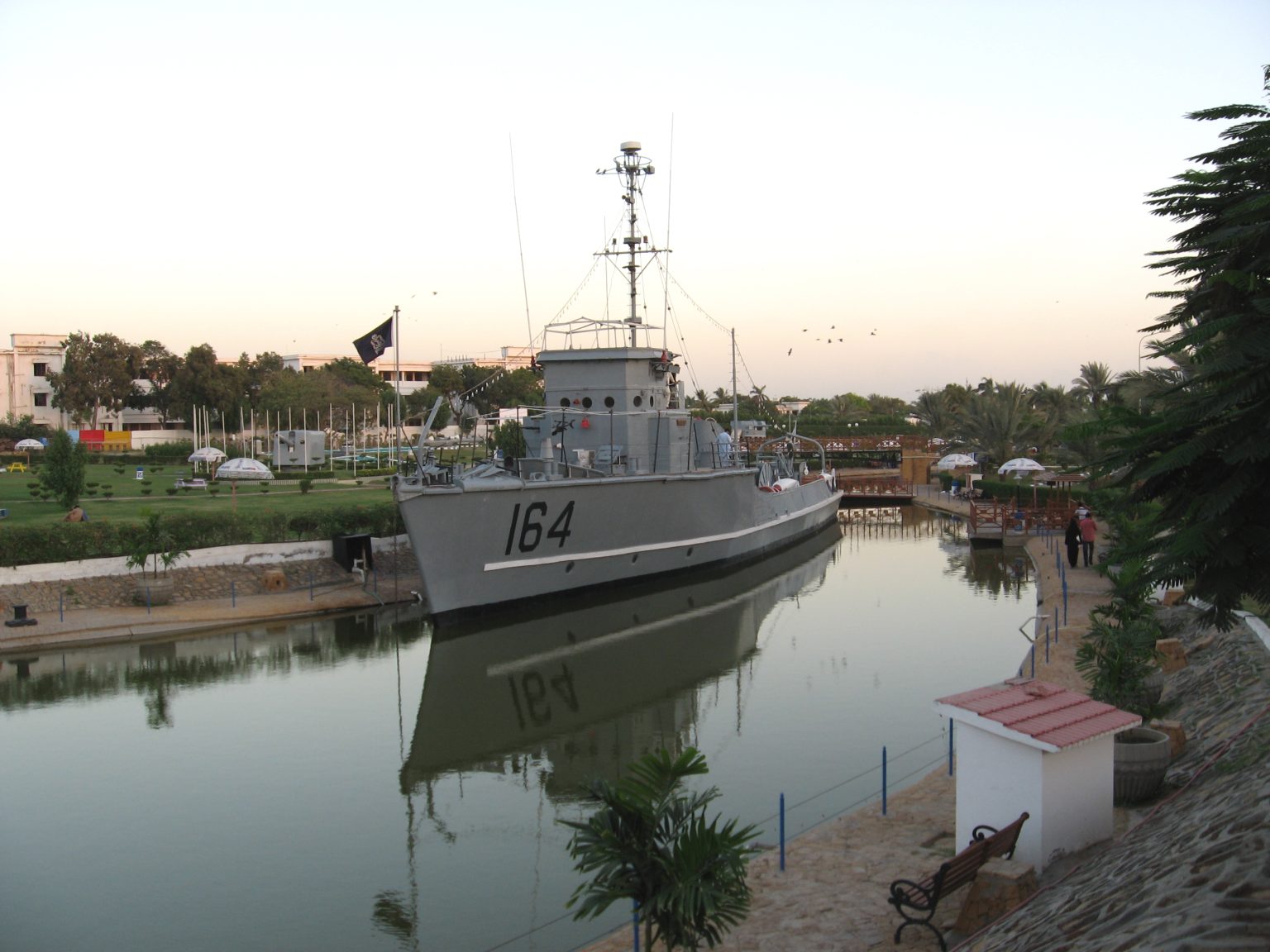
Minesweeper ship displayed at Pakistan Maritime Museum in Karachi
Choose the museum before the extras
Pakistan Maritime Museum offers a focused way to explore Karachi’s maritime connections without arranging a harbour or sea trip. Pakistan Navy’s description identifies a museum landscape with a lake and maritime displays, while the museum’s own site provides visitor guidelines and information about individual attractions. Plan the day around the galleries and permitted outdoor exhibits, treating a submarine visit or another special component as an optional addition whose access must be checked.
This is a museum outing, not permission to enter an operational naval facility or port. Use the public museum entrance and follow current security instructions. A family that sees a few displays carefully and has a comfortable rest can have a complete visit. There is no need to combine it with several other Karachi museums simply because they share a military or transport theme.
Check what is open on your date
Use the museum’s current contact and visitor pages to verify public hours, admission categories, parking and any separate attraction charges. Ask specifically about the submarine if that is the main reason for coming. A dedicated page about an exhibit establishes that it is part of the museum story, not that boarding is available every day. Maintenance, staffing or temporary restrictions can change the practical experience.
Ask about bags, food and photography before leaving your accommodation. The museum’s guidelines state that food and lunch boxes are not allowed inside the museum building, and commercial photography needs permission. Clarify where water and necessary children’s items may be kept. A school or large family group should ask whether advance arrangement is needed. Save the confirmed entrance location so the driver does not take you toward an unrelated restricted access point.
A useful gallery sequence
Begin with an orientation and choose one theme: navigation, ships, maritime work or naval history. Ask which displays best introduce it. Start inside if heat makes the grounds uncomfortable, or take a brief outdoor look first in mild weather. Read labels before attaching an object to a particular vessel or event. A model, original artefact and reconstruction each communicate differently and should not be described as interchangeable.
For children, ask how people found their way at sea, communicated aboard a ship or lived in a confined space. Choose a few objects that answer those questions instead of trying to cover the whole collection. Take a pause before attention drops. If a guide is available, ask for a short explanation suited to the ages in your group. Do not expect security or maintenance staff to provide an unscheduled specialist tour.
Explore the places and guides mentioned
Photographs show the linked places or guide subjects. Open each page for its own visiting and planning information.

Deciding about the submarine
If boarding is operating, ask about the entry route, confined spaces, steps, ladders and any age or health restrictions before buying an additional ticket. A submarine can be fascinating while also being unsuitable for someone who has difficulty climbing or feels distressed in tight spaces. Do not pressure a reluctant child or elder to enter because the rest of the group wants to go.
Arrange a comfortable waiting plan for anyone who stays outside, including shade, seating and a clear meeting point. Keep bags small and follow staff directions about movement and photography. Do not touch controls or fittings unless specifically invited. If boarding is unavailable, use the exterior and interpretation to discuss the vessel’s purpose. The museum visit remains worthwhile without access to every compartment, and an unavailable exhibit is not a reason to seek unofficial entry.
Grounds, transport and the return
The outdoor setting can provide a useful break between galleries, but water features and exhibits need supervision. Keep children away from edges and do not climb equipment that is not designated for visitor access. In hot weather, use a short outdoor route and return to shade or an indoor rest. Carry sun protection and drink water in areas where it is allowed.
Arrange a vehicle drop at the confirmed public entrance and a practical pickup point. Tell the driver whether you expect a fixed pickup or waiting service, and agree parking and waiting charges. Your existing Karachi accommodation should be suitable; choose the day by traffic, weather and the group’s energy rather than moving hotels for one museum. Avoid placing a fixed airport transfer immediately after the visit, since leaving a large venue and crossing the city can take longer than expected.
Meals and current costs
Have breakfast before leaving and plan where lunch or a substantial snack will be eaten. Check current café or refreshment availability instead of assuming every facility mentioned online is operating. Families with dietary needs should bring an appropriate backup for consumption in a permitted place. Keep food away from exhibits and dispose of packaging properly.
Build a budget from admission for each visitor category, parking, any separately charged attraction, transport and meals. Ask whether student or other concessions require particular identification. A museum entry ticket may not include every activity offered on the grounds. If buying a package through an organiser, obtain the exact inclusions and cancellation terms. Verify all amounts near the booking date rather than copying a rate from an undated post. Keep receipts and check the ticket category before leaving the counter.
Access and a manageable finish
Ask about the route from parking to galleries, ramps, lifts if applicable, toilets and available seating. The main building and a submarine may have very different access conditions. A useful partial route can be planned for a wheelchair user if the actual surfaces and entrances are confirmed. Do not accept a broad statement that the museum is accessible as an answer about a particular exhibit.
End by revisiting one favourite display if permitted, then leave before everyone becomes tired. Children can draw a ship or explain one navigation idea later; adults may want to explore a topic through a reliable maritime history source. Keep personal observations distinct from documented labels. The strongest Maritime Museum day combines a clear theme, a realistic optional submarine decision, comfortable breaks and a straightforward return, with no need for a crowded multi-museum checklist.
Continue planning your trip
Frequently Asked Questions
Is submarine boarding guaranteed with Maritime Museum entry?
No. Check current operation, separate charges and boarding requirements directly. The galleries and permitted grounds remain the core of the outing.
Is the submarine suitable for everyone?
Not necessarily. Ask about confined spaces, steps, ladders and current age or health restrictions. Arrange a comfortable alternative for anyone who does not board.
How we know this
- Type Practical guide
- Sources 3 (1 official/academic)
- Reviewed October 2026
- Disputed points None
Rules and fees change, confirm with the official links below before you act.
3 sources
- Pakistan Maritime Museum: Visitor Guidelines, Pakistan Maritime Museum
- Pakistan Navy: Maritime Museum, Pakistan Navy
- Pakistan Maritime Museum: Contact Us, Pakistan Maritime Museum
Photo credits (2)
- Pakistan Maritime Museum, Karachi, Pakistan 1.jpg, Adnanrail, CC BY-SA 3.0, via Wikimedia Commons
- Jinnah Mausoleum (cropped).JPG, M.irfan44, CC BY-SA 4.0, via Wikimedia Commons
