
Places to visit
Dai Anga’s Mosque: a practical visitor guide
Visit Dai Anga’s Mosque: what to see, historical context, getting there, a realistic plan, families and official access checks.
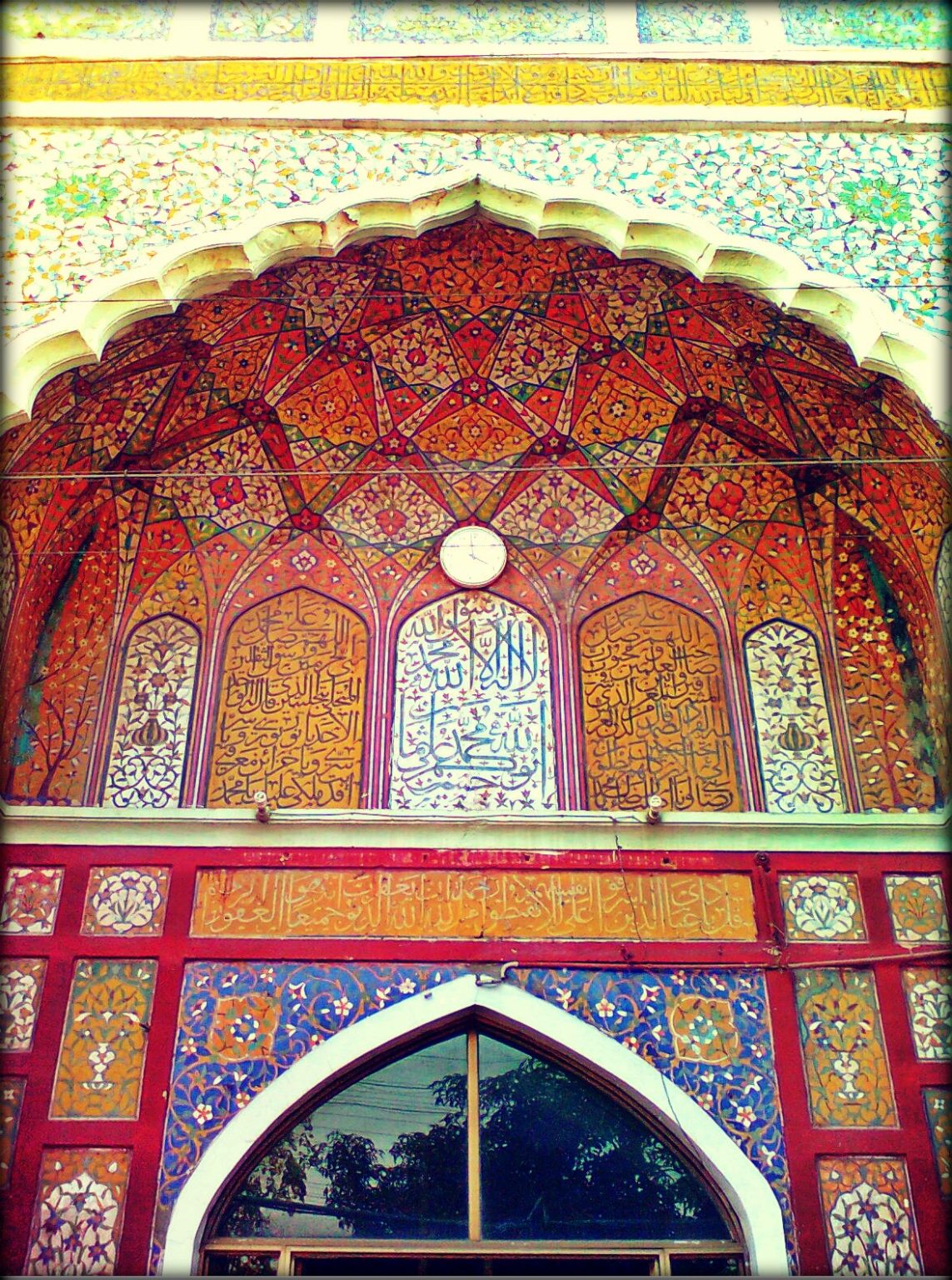
Facade of Dai Anga Mosque in Lahore
A mosque visit with an architectural focus
Dai Anga's Mosque is a Lahore attraction for visitors interested in tile decoration and the history of a smaller Mughal monument. The federal heritage inventory places it near the railway station and highlights its refined enamelled tile and mosaic work. It is a mosque, so permission and the needs of worshippers govern how a sightseeing visit works. Allow around thirty to forty-five minutes if an ordinary visitor visit is welcomed, as an editorial estimate. Do not arrive expecting a guaranteed guided tour or unrestricted photography. The best plan begins with a direct local access enquiry and a willingness to keep the visit brief.
History includes changes of use
The official inventory records that the mosque belonged to a Mughal-period quarter associated with Dai Anga. It also describes later use as a military magazine under Ranjit Singh and subsequently as the residence of Henry Cope, associated with the Lahore Chronicle. These are changes of function, not merely changes of ruler in an otherwise static building. They invite a more interesting reading of heritage: structures can survive while their uses and interiors change. Do not assume every visible element belongs to the original mosque phase, and avoid repeating a construction date unless the source you use actually establishes it.
Tilework is the main reason to look closely
Start with the broad relationship between the prayer building, its openings and the decorated surfaces visible from permitted areas. Then compare how colour and pattern fit into architectural frames. Tile decoration is not simply a layer of ornament pasted over an unrelated building; its divisions help organise what the visitor sees. Look for a repeated motif and notice how its scale changes across a surface. Do not touch tiles, lean against decoration or use a raised surface to steady a camera. If a detailed view is not possible without intruding on worship or crossing a barrier, accept the wider view.
Explore the places and guides mentioned
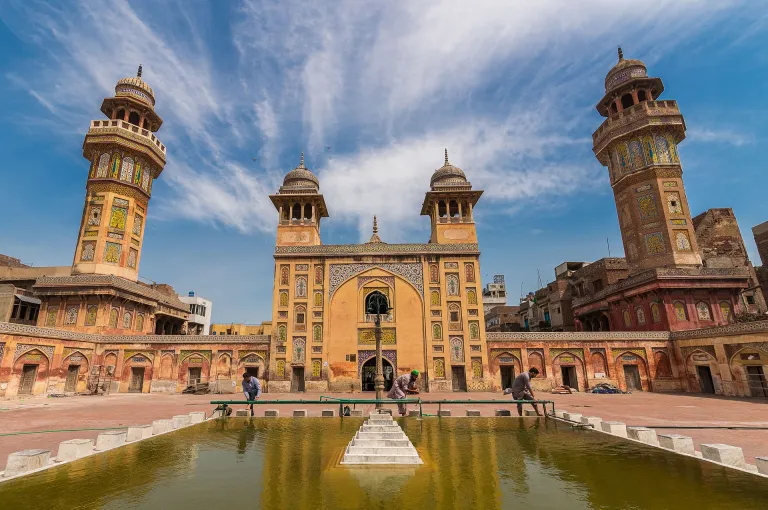
Photographs show the linked places or guide subjects. Open each page for its own visiting and planning information.

A changed function can leave a complex surviving building
The inventory's account of military storage and later residential use makes this mosque a useful case for thinking about adaptation. A building may remain recognisable while its interior arrangements and surfaces change substantially. That does not make the later history irrelevant or allow a visitor to identify every alteration without evidence. Look for current interpretation explaining repairs and phases rather than assuming one visual difference marks a particular ruler's intervention.
A comparison with Dai Anga's Tomb is most useful when it stays at the level of documented function and visible form: congregational prayer and funerary remembrance place different demands on space. Shared decoration or a shared name does not make the buildings interchangeable. If you can visit both respectfully, keep a separate set of observations for each and compare them afterwards, rather than importing a story from one monument to explain an unlabelled feature of the other.
Do not confuse mosque and tomb
Dai Anga's Tomb is associated with Gulabi Bagh in Begampura and is a separate monument. The shared name makes it easy to misroute a vehicle if you request only 'Dai Anga'. Say mosque near Lahore railway station when arranging this visit and verify the exact approach. If you want both monuments, confirm access to each independently and map the transfer. A shared personal association does not mean they form a single walkable managed complex. The two can make an illuminating comparison of religious and funerary architecture, but only if the logistics leave time to appreciate them.
Arrival near the railway district
Use a current location and ask a reliable local contact or the mosque's responsible staff where a visitor should enter. A nearby railway station is useful orientation, not a reason to carry intercity luggage into the mosque. Resolve storage before sightseeing, and agree a return pickup where a vehicle may stop without obstructing local activity. The final approach can matter more than the drive itself if streets are busy or an entrance is temporarily controlled. For someone who cannot manage steps or uneven surfaces, ask about the actual route rather than relying on the short map distance from a road.
A respectful thirty-minute sequence
Enquire politely on arrival whether the moment is suitable for an architectural visit. Follow instructions about dress, footwear, where to stand and which spaces visitors may enter. Begin with a broad view, then spend the main part on a small number of decorated details. Keep conversation low and move aside if worshippers need the route. Ask separately before taking photographs, especially if people are visible. Finish without prolonging the visit to complete a rigid checklist. If access is not appropriate at that time, a return at an agreed time is better than pressing for entry.
What the inventory does not establish
Protected status does not tell you today's opening arrangement, the best time for a non-worship visit, a fee or permission to enter every area. This guide supplies none of those as settled facts. Confirm with the responsible authority or local mosque staff and be guided by current instructions. There is also no verified accessible toilet, visitor seating or step-free interior route here. A person planning a visit around those needs should ask specific questions before travelling. An exterior-focused alternative may work for some visitors, but it should be planned rather than assumed to offer the same experience.
Use the official attraction information as your starting point for the enquiries above.
Connect it with the city through function and detail
Read the Lahore city guide and DailyLife's Wazir Khan Mosque guide for broader Lahore mosque context, while keeping access arrangements distinct. Instead of ranking mosques by size or colour alone, compare how decoration relates to the particular building and its use. With children, one quiet observation task is enough: find a repeated pattern without touching it or interrupting anyone. The visit should leave a clearer understanding of this specific mosque's surfaces and changing history. It does not need an invented story of a famous visitor, a long list of dates or a claim that a small monument is a secret known only to locals.
For related planning, read Wazir Khan Mosque.
Continue planning your trip
Frequently Asked Questions
Is this the tomb of Dai Anga?
No. This is the mosque near Lahore railway station. The tomb associated with Gulabi Bagh in Begampura is a separate attraction.
Why visit?
The federal inventory highlights refined enamelled tile and mosaic work, together with the building’s history of changing uses.
Can tourists enter at any time?
Do not assume so. Ask whether the moment is appropriate, follow mosque instructions and avoid interfering with worship.
Are photographs allowed?
Ask on arrival. Permission for the building, interiors and recognisable worshippers should not be treated as one blanket authorisation.
How we know this
- Type Travel guide
- Sources 1 (1 official/academic)
- Reviewed October 2026
- Disputed points None
Rules and fees change, confirm with the official links below before you act.
1 sources
- Dai Anga’s Mosque — official information, Government of Pakistan
Photo credits (3)
- Dai Anga Mosque, Lahore.jpg, DrSebi, CC BY-SA 3.0, via Wikimedia Commons
- Night View of Badshahi Mosque (King’s Mosque).jpg, Muhammad Ashar, CC BY-SA 3.0, via Wikimedia Commons
- Wazir Khan Mosque by Moiz.jpg, Moiz Ismaili, CC BY-SA 4.0, via Wikimedia Commons
