
Places to visit
Chitral Museum: a practical visitor guide
Visit Chitral Museum: what to see, historical context, getting there, a realistic plan, families and official access checks.
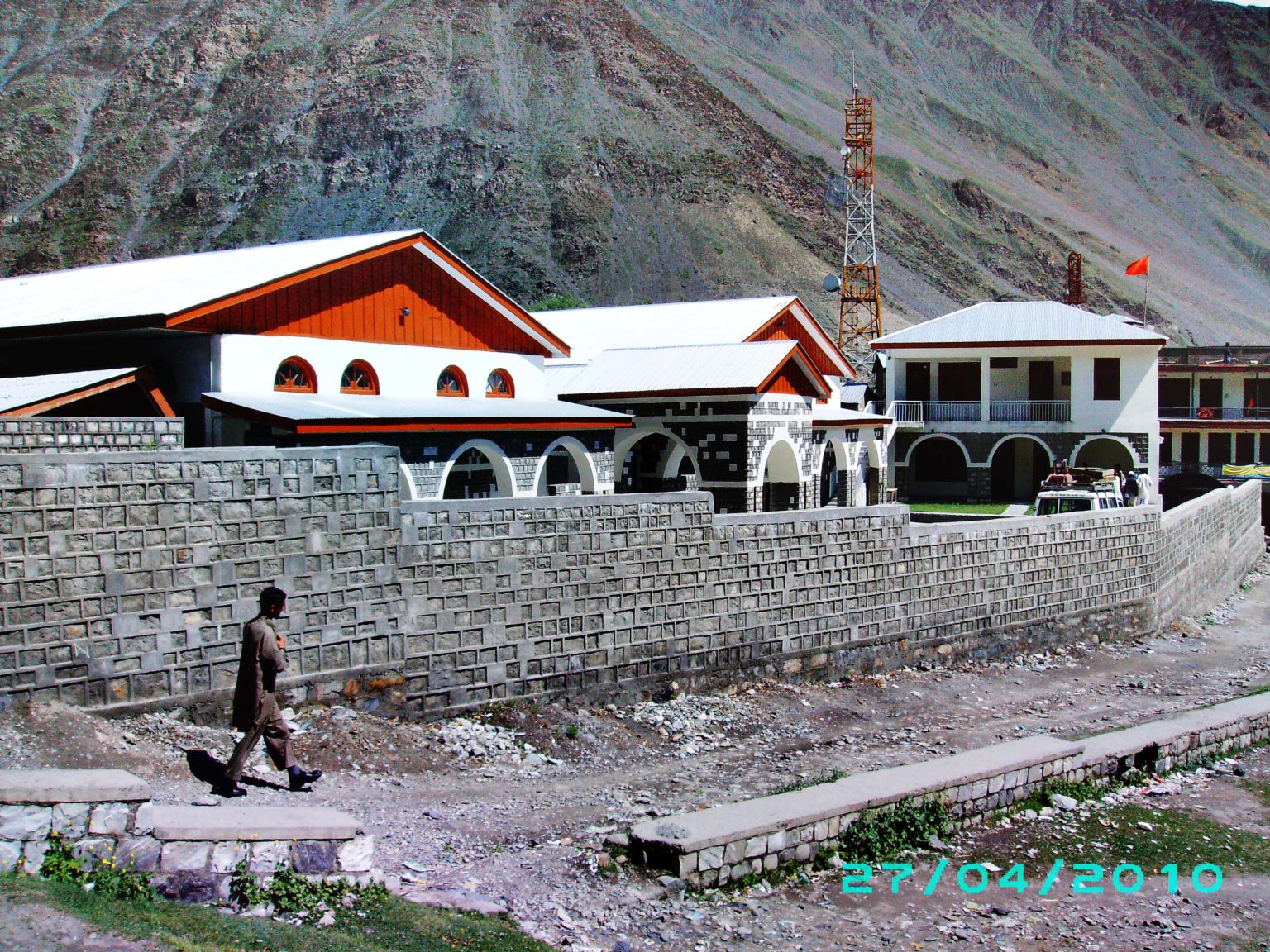
Chitral Museum
Current travel advice — checked 31 October 2026
British travellers: FCDO advice updated 27 October 2026 advises against all travel on the N45 from north of the Mardan ring road to the edge of Chitral City, including Kalash valley. This route warning is not a statement that the entire city has that designation. Check current FCDO advice before considering a journey. Domestic visitors should follow local authority instructions and current permissions; museum opening does not settle route access.
Visit for context before collecting experiences
Chitral Museum is a useful starting point for visitors who want more than a landscape itinerary. A museum can introduce how a region's history and material culture are selected and explained, while reminding you that a gallery is only one interpretation of a much larger living society. Allow roughly an hour to ninety minutes as an editorial estimate. This is a town-based cultural visit, not a replacement for conversations with local people or a shortcut to understanding the Kalash valleys. It is particularly worthwhile before a longer itinerary, when you still have time to turn new questions into more attentive travel.
The official basis for the visit
The federal heritage directory dates Chitral Museum's establishment to 8 July 2010 and identifies two main gallery subjects: ethnology, and archaeology with Kalash material. Its stated purpose is the preservation of regional cultural heritage. That concise official description is enough to establish a visitor interest, but it should not be stretched into claims about every object on display. Collections, labels and available rooms can change. Ask which galleries are accessible on your date, and distinguish the museum's representation of a community from the full range of that community's contemporary lives and self-understanding.
Explore the places and guides mentioned
Photographs show the linked places or guide subjects. Open each page for its own visiting and planning information.


Look for the relationship between object and use
In ethnological displays, ask what an object was designed to do, which materials it uses and whether the label describes a particular place or group. A musical instrument, domestic item or garment, if on view, needs context rather than an attractive photograph alone. Where photography is permitted, record a label alongside the object so that its identification is not lost. Do not turn an unfamiliar object into evidence of an exotic or timeless way of life. Read dates carefully and notice whether the museum is discussing historical practices, continuing practices or a particular collection acquired at one moment.
Two gallery subjects, two different questions
The official distinction between an Ethnological Gallery and an Archaeological and Kalash Gallery should shape the visit rather than disappear into a single broad 'culture' label. Archaeological objects require questions about excavation and date; ethnological material needs questions about collection, use and the people represented. Where a label identifies an individual maker, locality or community, preserve that specificity in your notes. 'From Chitral' may be accurate at one scale while omitting a more informative attribution at another. No one object can stand for everyone in a whole district or valley.
For a group with mixed interests, let one person follow an object’s material and another follow its stated function, then compare findings. A garment, where displayed, can be read through fibre and construction as well as appearance; a historical object can be read through the evidence for its date rather than simply its apparent age. If those details are not supplied, record the question rather than manufacture the answer. This approach is especially valuable before a wider trip because it encourages visitors to ask people how they identify their own practices instead of presuming a museum label predicts everything they will encounter. The galleries become preparation for attentive travel, not a script for treating contemporary life as a performance.
Build it into a Chitral town day
Locate the museum through the provincial archaeology directorate or a current local contact, and confirm the public entrance before travelling. An official directory establishes the institution but does not resolve every street approach or current operating detail. If you have just arrived after a long road or air journey, allow time to settle before expecting to absorb galleries. Do not make the museum dependent on an arrival connection with no buffer. For international visitors, current official regional travel advice and route requirements need checking separately; the existence of a cultural attraction does not remove those practical considerations.
A calm first-visit plan
Use the opening minutes to ask how the two gallery subjects are arranged and whether any material needs particular context. Work through the first subject slowly, then pause before the second rather than taking dozens of disconnected photographs. Choose one object that changes something you expected about the region. Compare it with another object from a different date or use, using the labels rather than assumptions. If a member of staff is available for questions, ask one specific question about provenance or interpretation. Do not presume a guided tour is offered or that every staff member can translate every display.
Hours, fees and practical facilities
This guide does not establish a current admission charge or dependable daily timetable. Confirm opening, last entry, holiday arrangements and photography rules directly with the museum or provincial authority. For families, ask about toilets and any restrictions on food or bags before arrival. Visitors needing step-free access should ask about entrance steps and movement between the actual galleries, as well as seating. These questions are more useful than a broad request about whether the building is suitable for everyone. If your time in town is short, make the phone or local enquiry before arranging a dedicated vehicle.
Use the official attraction information as your starting point for the enquiries above.
What the visit should change about your wider trip
Afterwards, avoid using a museum display as a script for photographing people. Ask permission, respect a refusal and do not expect somebody to perform a custom because an exhibit mentions it. The museum's value is partly in helping visitors recognise that objects have contexts, owners and histories. Read the Chitral city guide and DailyLife's existing Kalash valleys guide as separate planning resources. A visit to the museum can sit alongside a town walk or meal, while a valley excursion needs its own transport, access and community considerations. Keep those commitments distinct rather than assuming everything is a single easy cultural circuit.
For related planning, read Kalash valleys.
Continue planning your trip
Frequently Asked Questions
Does the museum cover only Kalash culture?
No. The federal directory identifies ethnological material relating to Chitral as well as archaeology and Kalash material. Ask which galleries are open during your visit.
How long should I set aside?
An hour to ninety minutes is an editorial allowance for a focused introduction. Longer reading, questions or language needs can extend the visit.
Can the museum replace a valley visit?
No. A museum represents selected material and interpretations; a living community is much broader. Valley travel also requires its own logistical and respectful-visit planning.
Is public access guaranteed every day?
No. Confirm current hours, fees and any closures directly, and check regional travel advice separately before making a journey.
How we know this
- Type Travel guide
- Sources 2 (1 official/academic)
- Reviewed October 2026
- Disputed points None
Rules and fees change, confirm with the official links below before you act.
2 sources
- Chitral Museum — official information, Government of Pakistan
- Pakistan travel advice; updated 27 October 2026, UK Foreign, Commonwealth and Development Office
Photo credits (3)
- Chitral Museum - panoramio.jpg, Junaid Ahmad, CC BY 3.0, via Wikimedia Commons
- Tirich Mir (The Kingdom Of Djinns And Fairies).jpg, KaleemUllah550, CC BY-SA 4.0, via Wikimedia Commons
- Kalash Valley Bumburet.jpg, Waleed0343, CC BY-SA 4.0, via Wikimedia Commons
