
Places to visit
Lyallpur Museum: a practical visitor guide
Visit Lyallpur Museum: what to see, historical context, getting there, a realistic plan, families and official access checks.
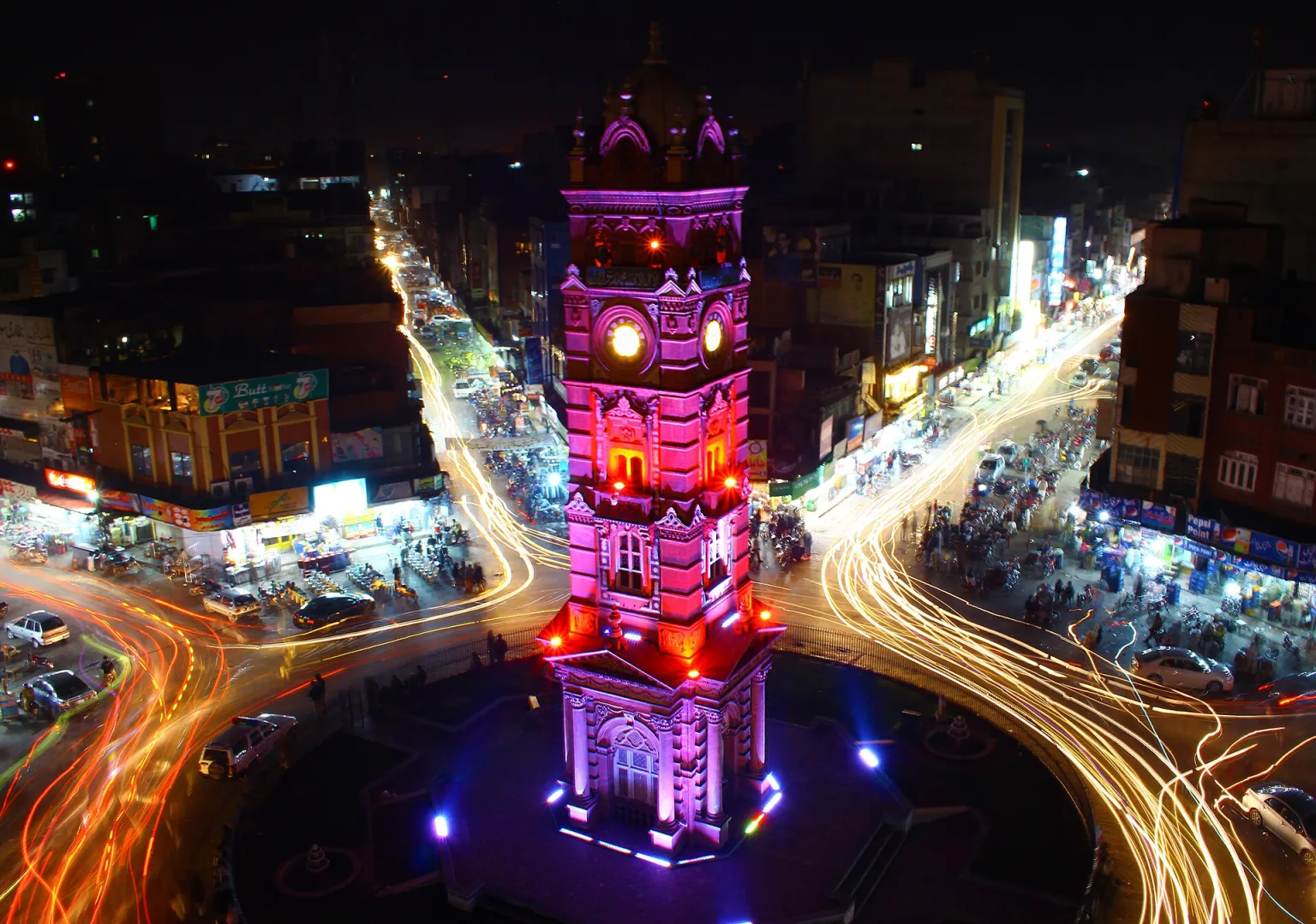
Faisalabad Clock Tower: city context for the Lyallpur Museum guide; the photograph does not show the museum.
Why a textile city deserves a museum stop
Lyallpur Museum is a useful attraction for visitors who know Faisalabad mainly as a centre of industry. Its name preserves the city's former name, while its displays invite a longer view of the region. This is the place to ask how landscape, settlement, administration and work relate to the modern city outside. Allow about ninety minutes to two hours as an editorial estimate for a selective introduction. A visitor interested in regional planning or textile history may prefer more time. There is no need to have specialist knowledge before entering; a few clear questions make a better starting point than memorising a timeline.
The institution and its city
The Faisalabad district government's official visitor page dates the museum's establishment to 2011 and describes ten galleries. Its subject range includes Sandal Bar, regional archaeology, the Muslim-to-Sikh period, the Chenab Colony, Lyallpur, textiles and the Pakistan Movement. That range matters because the modern city did not appear on an empty historical canvas. Resist an overly neat account in which one administration or industry explains everything. Read the labels' dates and locations carefully and distinguish historical terms used in a gallery title from present administrative boundaries or the identities of people living in the region today.
What to look for in the galleries
Choose a route that connects land and labour. Start with the regional material, continue into the Chenab Colony and Lyallpur subjects, and finish with textiles if those galleries are open. When viewing a map, look for what it emphasises: roads, canals, settlements, land divisions or administrative offices. When looking at craft or industrial material, ask what skill and labour are hidden behind the finished product. This approach gives the visit a coherent theme without requiring every room. It also offers a way to compare the museum's interpretation with the street pattern and commercial activity you encounter afterwards.
Explore the places and guides mentioned
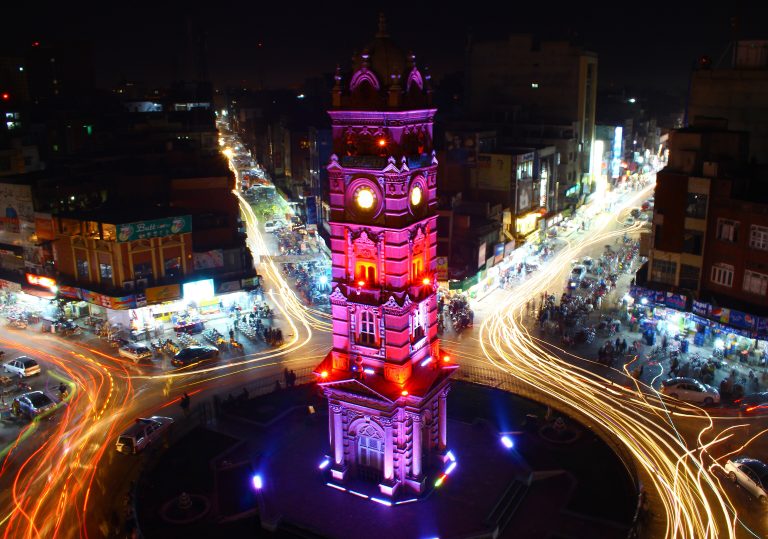
Photographs show the linked places or guide subjects. Open each page for its own visiting and planning information.

Use the gallery names to build a city question
The official ten-gallery list is unusually helpful for planning because it includes Chenab Colony, Lyallpur and Textile alongside Sandal Bar and regional archaeology. These titles invite a question about change in scale: how does a wider region become an administered settlement network and then a recognisable industrial city? Follow maps and dated captions through those subjects if they are open, and look for both connections and gaps. A gallery title tells you the intended subject, but the objects and interpretation determine the actual argument. Do not assume one room supplies every step in that historical transition.
The list also includes galleries called Thought and Act and Social Beauty. Those names are less self-explanatory than Textile or Pakistan Movement, so ask the museum how they are interpreted rather than guessing their contents from the title. This makes a good opening question for a member of staff if one is available. At the end, choose a modern city feature you would now like to understand better: a market pattern, a civic building, a transport route or an industry. The museum's success can be measured by that sharper question, not only by whether you saw a particular object. It gives a return visit a purpose as the displays and your interests change.
Finding it without confusing the destination
The federal archaeology directory places Lyallpur Museum on University Road near the district council and courts. Save the institution's name and location rather than asking for a general city museum. In a busy civic area, the nearest point on a map may not be the lawful vehicle entrance or pickup point. Agree with your driver where the return journey will begin. If arriving from a textile business appointment or a market visit, allow a buffer for traffic and bags. Avoid expecting museum staff to store samples, shopping or large suitcases without checking in advance.
A visit plan for first-time visitors
At reception, ask for the open-gallery sequence and whether there is an orientation panel. Spend roughly the first third of your visit establishing the region and its changing settlement pattern. Use the next third on the subject that interests you most, rather than allocating identical minutes to every case. Reserve the final portion for one contrasting gallery and a recap. A family can each choose one object that explains something about work. Compare those choices after leaving the display room so you do not block labels or disturb other visitors. This produces a more memorable visit than photographing every panel.
Opening and admission checks
Neither an old travel blog nor a historical establishment notice settles today's opening arrangements. This guide does not verify current hours, entrance prices or the availability of a guided tour. Check with the museum before setting off, particularly for a Friday, public holiday or school group. Ask whether the gallery you especially want is open and whether photography, including photographs of labels, is permitted. For accessibility, request details of entrance steps, movement between floors and toilets. A positive answer to 'can we visit?' may still leave practical barriers unresolved for someone who cannot climb stairs or stand for long periods.
Use the official attraction information as your starting point for the enquiries above.
Use the museum to read the city afterwards
After the visit, the city becomes a useful second layer of interpretation. Notice how transport, markets and civic buildings organise movement, while remembering that today's urban landscape continues to change. The museum's older name does not mean modern Faisalabad is simply frozen Lyallpur. Read the Faisalabad city guide for a broader city plan, and combine the museum with one manageable central outing rather than a long list of industrial stops. Children may enjoy drawing their own neighbourhood map afterwards and deciding what it leaves out. This makes the visit relevant to everyday geography instead of ending with a list of dates.
For related planning, read Sialkot and Faisalabad city guide.
Continue planning your trip
Frequently Asked Questions
Why is it called Lyallpur Museum?
Lyallpur is Faisalabad’s former name. The museum uses that name while covering the wider region and the development of the modern city.
Is it only about textiles?
No. The district’s official overview includes regional archaeology, Sandal Bar, the Chenab Colony, political history and textiles among its gallery subjects.
Where is it?
The federal heritage directory places it on University Road near Faisalabad’s district council and courts. Verify the visitor entrance before travelling.
How long is a useful visit?
Allow roughly ninety minutes to two hours as an editorial estimate, with longer for detailed reading. Current gallery availability and opening hours require direct confirmation.
How we know this
- Type Travel guide
- Sources 2 (2 official/academic)
- Reviewed October 2026
- Disputed points None
Rules and fees change, confirm with the official links below before you act.
2 sources
- Lyallpur Museum — official information, Government of Punjab
- Lyallpur Museum, Faisalabad, Department of Archaeology and Museums, Government of Pakistan
Photo credits (2)
- Clock Tower Faisalabad by Usman Nadeem.jpg, Usman Nadeem, CC BY-SA 4.0, via Wikimedia Commons
- Clocktower Faisalabad, Panorama.jpg, Minhajian, CC BY-SA 4.0, via Wikimedia Commons
