
Travel essentials
Pakistan Road Trip Rest Stops: Toilets and Comfort Planning
Plan toilet and comfort breaks on Pakistan road trips, with useful questions for drivers, accessible facilities and a small hygiene kit.
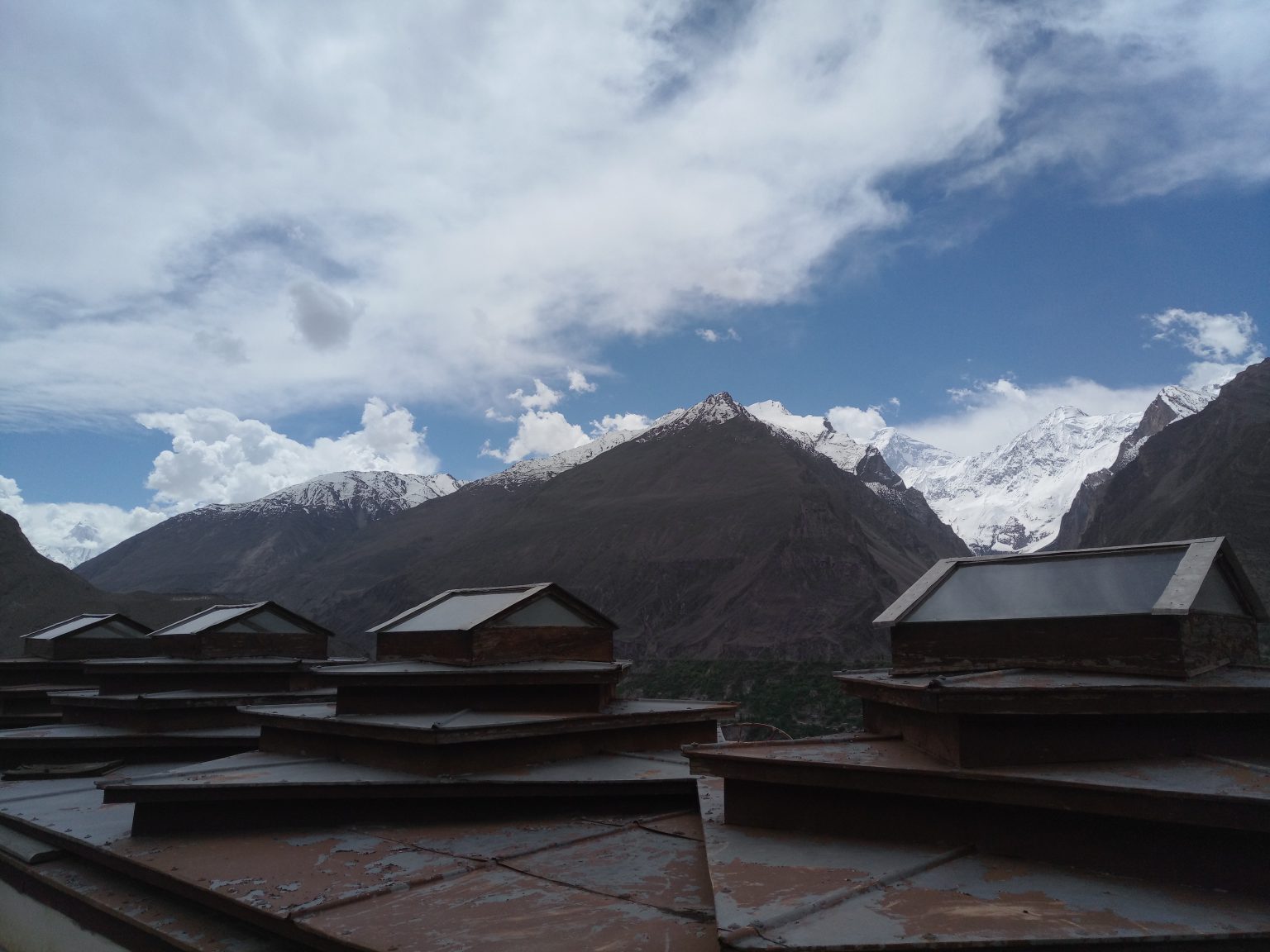
Karimabad in Hunza, photographed in April 2018; illustrative mountain travel image.
Make comfort stops part of the itinerary
A long Pakistan road transfer is easier when toilet and rest breaks are planned with the same care as sightseeing. Ask the driver or operator where you expect to stop, whether the facilities are currently operating and how flexible the schedule is. A map marker does not establish opening hours, cleanliness, step access or a usable toilet.
Explain needs without embarrassment. Young children, pregnancy, mobility limitations and some medical conditions may require more frequent or specific breaks. State those requirements before choosing a vehicle or departure time. The purpose is to build a workable journey, not to obtain a promise that every roadside stop will meet the same standard. Keep enough flexibility to substitute a suitable stop when the original one is unavailable.
Ask concrete facility questions
If a seated toilet is essential, ask specifically about that rather than whether a stop has a bathroom. Ask about steps, door space and the route from parking to the facilities if accessibility matters. A stop with several amenities can still be unsuitable for a traveller who cannot reach the toilet. For a group, identify whether facilities are available for everyone without requiring an unsafe road crossing.
At accommodation, ask about the room bathroom before booking if you need a particular arrangement. For airports or large transport hubs, use the official facilities information and seek staff assistance on arrival. Islamabad airport publishes passenger facilities, but that should not be treated as evidence about a roadside service area or remote guesthouse.
Carry a small hygiene pouch
Keep tissues, suitable hand-cleaning supplies and a small waste bag accessible. CDC's Pakistan guidance emphasises hand hygiene and includes a health packing list. Carry what you need for your circumstances without assuming soap, paper or a working dryer will always be present. Keep the pouch separate from food and documents so it can be reached quickly at a stop.
For children, add a change of clothing and whatever routine supplies they normally need. Do not put the only spare set under all the luggage in the boot. Respect the facility's waste-disposal instructions and avoid blocking plumbing with unsuitable items. If supplies run low, replenish at the next practical town rather than waiting until the longest rural section begins.
Explore the places and guides mentioned
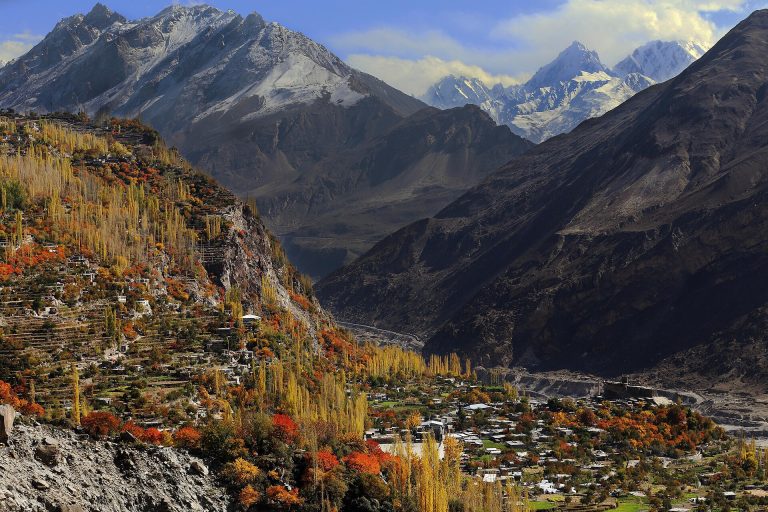
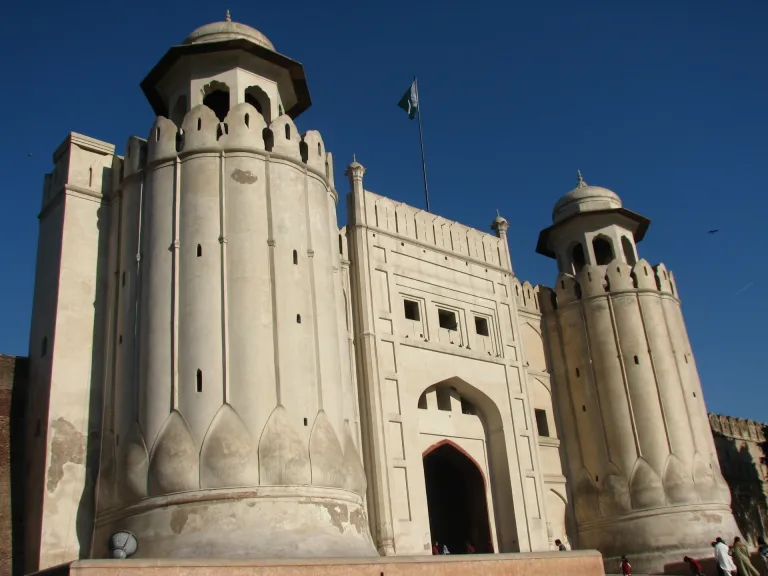
Photographs show the linked places or guide subjects. Open each page for its own visiting and planning information.
Coordinate food, rest and timing
A comfort stop can also provide a chance to stretch, eat and reassess the route. Ask how long the stop lasts and where the vehicle will wait. On a coach, note the vehicle and agreed return point so you do not confuse it with a similar departure. Keep valuables with you and tell a companion before leaving the group.
Do not reduce essential drinking simply to avoid asking for a break. Discuss individual hydration or medical needs with a clinician where appropriate. A driver can plan around stated requirements more easily than an urgent request in a section with nowhere sensible to stop. If nausea or another health issue affects travel, prepare a personal plan before departure rather than relying on whichever medicine is available at a roadside shop.
Allow for delays and closures
A road closure can turn a normal transfer into a much longer wait, changing the usefulness of the original rest-stop plan. Check road and weather information before departure and carry enough essential personal supplies for a delay. Ask the operator where you can wait if the next section becomes inaccessible. NHMP information applies to roads within its remit; local routes may need separate confirmation.
If a planned stop is closed or unsuitable, speak up early and ask for an alternative. Avoid walking away from the vehicle into an unfamiliar or insecure area to improvise privacy. A missed sightseeing stop is easier to repair than a health or safety problem. When the group has varied needs, a slightly longer planned stop can be more efficient than repeated urgent stops later.
Use a simple transfer briefing
Before a long drive, agree the first planned break, approximate intervals for reviewing comfort and a way to request an extra stop. A family might choose a proper stop before a long rural section and keep a small change bag beside the seats. A traveller with limited mobility might require a verified facility before accepting the route. These are planning examples, not claims about any particular road's amenities.
After each stop, check passengers, documents and bags before moving. Keep the next destination and contact numbers available offline. Good comfort planning is mostly ordinary communication: tell the provider what is essential, ask specific questions and retain flexibility. It makes the travel day more pleasant without pretending every facility is predictable or that one standard suits all travellers.
Make the first break explicit
At pickup, agree the first planned stop and ask when the next suitable opportunity is likely to be assessed. The answer can remain approximate; the value is that the driver understands the group's needs before an urgent request arises. Confirm who should speak up if a child or vulnerable traveller needs an earlier break.
Keep a modest change bag where it can be reached without unloading the main luggage. Include only the items relevant to the party and check it after each stop so used supplies do not exhaust the reserve. When leaving a busy service area, count passengers and confirm everyone knows which vehicle is theirs. On a coach, return within the operator's stated time and notify staff if a problem prevents that. A thoughtful rest-stop routine is useful on ordinary roads as well as remote routes. It gives travellers permission to communicate needs early and lets the provider plan sensible breaks, while recognising that conditions and facility availability may still change during the day.
Sources and planning updates
Research checked on 31 October 2026. Operator terms, local conditions and individual eligibility can change. The linked sources support the factual points; itinerary examples and comparison methods are editorial planning advice.
Continue planning your trip
Frequently Asked Questions
Are seated toilets available everywhere?
Do not assume so. Ask the property or operator specifically about the facilities you need.
Should I ask the driver for toilet stops before booking?
Yes, especially where children, medical needs or accessibility requirements affect the journey.
How we know this
- Type Practical guide
- Sources 3 (2 official/academic)
- Reviewed October 2026
- Disputed points None
Rules and fees change, confirm with the official links below before you act.
3 sources
- Airport Facilities, Islamabad International Airport
- Pakistan: Travelers Health, CDC
- Travel Advisory, National Highways and Motorway Police
Photo credits (3)
- Hunza Valley from Rooftop, Gilgit Baltistan Pakistan.jpg, Sohaib Saeed, CC BY-SA 4.0, via Wikimedia Commons
- Altit Fort, Hunza.jpg, Usmanmiski, CC BY-SA 3.0, via Wikimedia Commons
- Alamgiri Gate - Main entrance to Lahore Fort.jpg, S.hassanjawad, CC BY-SA 3.0, via Wikimedia Commons
