
Travel planning
When to Go: Pakistan Month by Month
Pakistan has no single best season. The mountains open in summer, the plains and deserts shine in winter. Here is how weather, passes, festivals and Ramadan shape each month.
- Mountains: roughly May–October
- Plains, deserts & coast: roughly November–February
- Monsoon: early July–mid-September
- Islamic dates move ~11 days earlier each year
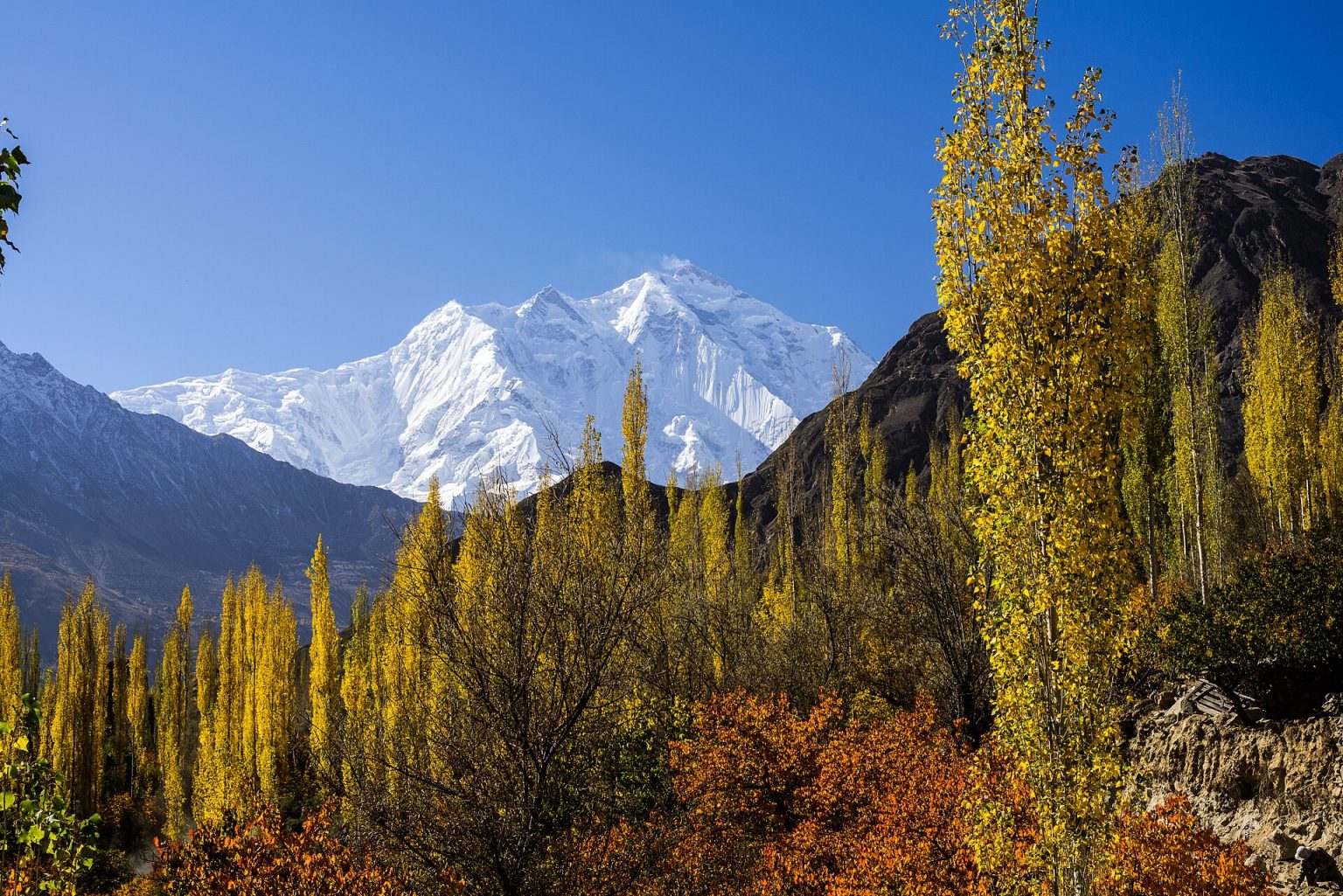
Rakaposhi in autumn, Nagar–Hunza, Gilgit-Baltistan
A country of many calendars
Pakistan runs from the Arabian Sea to the Karakoram, so the right month depends on where you are going. The plains of Punjab and Sindh are scorching in early summer and pleasant in winter; the high valleys of Gilgit-Baltistan and upper Khyber Pakhtunkhwa follow the snow on their passes rather than the thermometer. Encyclopaedia Britannica puts the mean June temperature on the plains at around 38 °C, with peaks above 47 °C, and notes that most rain falls in a monsoon burst from early July to mid-September.
A simple rule works for most first trips: go north from late spring to autumn, go south in winter. March–April and October–November are shoulder seasons when cities are comfortable and the lower valleys are open. On top of the weather sits a second calendar of festivals and religious observances, some fixed to the seasons, others to the lunar Islamic year, which moves through the seasons over time.
Everything below describes typical patterns. Road openings, festival dates and weather vary from year to year, so check the Pakistan Meteorological Department forecast and the relevant provincial tourism department or highway authority before you travel.
The four seasons at a glance
Spring
March to May
Comfortable cities early on and blossom climbing the northern valleys as the snow retreats. Heat builds on the plains from April; high passes are still closed in early spring.
Summer
June to August
Peak season in the mountains, Deosai, Fairy Meadows, Babusar and the high treks. Fierce heat on the plains, then monsoon rain from July that can trigger floods and landslides.
Autumn
September to November
Often the most rewarding time in the north: steadier weather after the monsoon, harvests and golden poplars. Nights turn cold and high roads begin to close with the first snow.
Winter
December to February
The season for Sindh, southern Punjab, the deserts and the coast. The far north is very cold and many high roads are shut, while snow draws domestic visitors to hill stations.
Best months by region
| Region | Best window (typical) | Plan carefully | Why |
|---|---|---|---|
| Gilgit-Baltistan mountains (Hunza, Skardu, Nagar, Deosai) | May–October; high treks mid-June to mid-September | Deep winter; monsoon landslide spells | Roads and flights most reliable; blossom in spring, colour in autumn |
| Khyber Pakhtunkhwa valleys (Kaghan, Swat, Chitral) | Late May–September | Winter snow on upper roads; monsoon floods | Upper valleys and lakes are reachable only once the snow clears |
| Punjab plains (Lahore, Islamabad, Multan) | October–March | May–June heat; winter fog | Mild days for walking heritage sites and bazaars |
| Sindh, Balochistan coast and deserts (Karachi, Thar, Cholistan, Makran) | November–February | April–September heat | Cool days and cold desert nights; check advisories for Balochistan and upper Sindh |
Editorial guidance based on Britannica (climate), Central Karakoram National Park (trek season) and Gilgit-Baltistan e-Tourism. Conditions vary each year, confirm locally.
Month by month
Typical conditions, individual years can be earlier, later, wetter or hotter.
| Month | Weather by region | Roads and passes | Festivals and events |
|---|---|---|---|
| January | Coldest month. Snow in the GB and KP mountains and upland Balochistan; cool, foggy mornings in Punjab; mild, dry days in Sindh and on the coast. | High passes closed; northern flights weather-dependent; fog can delay Punjab motorways and trains. | Winter sports and snow tourism in the hills; Urs of Lal Shahbaz Qalandar may fall here in some years (lunar date). |
| February | Still cold in the north; pleasant on the plains, deserts and coast. | High passes closed. | Basant season in Punjab when permitted; Ramadan and the Sehwan Urs fall here in some years. |
| March | Spring arrives on the plains; snow lingers in the mountains, with blossom starting in lower valleys. | High passes closed; lower valleys open. | Ramadan or Eid ul-Fitr may fall here in some years. |
| April | Warm to hot in Punjab and Sindh; blossom in Hunza, Skardu and Nagar. | Khunjerab traditionally reopens around 1 April; Babusar, Shandur and Deosai still snowbound. | Spring blossom season in Gilgit-Baltistan. |
| May | Heat builds hard on the plains; the north is fresh and green. | Babusar usually reopens between late May and late June, depending on snow. | Kalash Chilam Joshi spring festival in mid-May; Eid ul-Adha fell in late May in 2026 and moves earlier each year. |
| June | Hottest time on the plains, with hot, dusty winds; long, clear days in the mountains. | Babusar, Shandur and Deosai typically open by mid-to-late June. | Shandur Polo Festival in some years; Deosai season begins. |
| July | Monsoon arrives in Punjab, Sindh and the foothills; the GB valleys are drier but storms can reach them. | Flash floods and landslides can cut the Karakoram Highway and valley roads. | Shandur Polo Festival in some years; peak trekking season. |
| August | Humid and wet on the plains; warm, busy mountain valleys. | Monsoon disruption continues; allow buffer days. | Kalash Uchal harvest festival; Independence Day on 14 August. |
| September | Monsoon fades by mid-month; clearing skies in the north. | Most mountain roads open; landslide repairs may continue. | End of the high-trek season; harvest in the valleys. |
| October | Golden autumn in Hunza and Skardu; the plains cool down. | Babusar and Deosai can close with early snow from October. | Prime autumn photography season. |
| November | Cold nights in the north; comfortable on the plains, with fog and smog possible in Punjab. | Khunjerab's traditional season ended on 30 November; high roads closing. | Start of the desert and coastal season. |
| December | Winter sets in; snow in the mountains and upland Balochistan. | High passes closed. | Kalash Chaumos winter festival in mid-December. |
Pass and festival months describe typical patterns from Dawn, Profit, Gilgit-Baltistan e-Tourism, Gulf News and TNN reporting. Dates change every year, check the National Highway Authority, GB Tourism and KP tourism before travel.
When the mountain gateways open
Typical seasonal patterns. Snowfall, clearance work and landslides decide the actual dates each year.
 Khunjerab PassThe border crossing traditionally opened on 1 April and closed on 30 November. From December 2024 it moved to year-round operation for trade, with weekend closures, but winter visits to the top depend on snow and current rules.
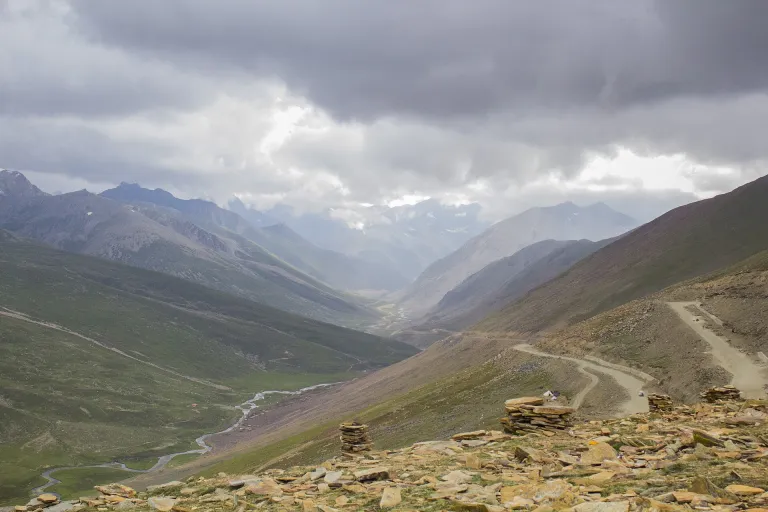 Babusar PassSnow usually closes the pass from autumn to early summer. Dawn reported that in 2025 it reopened on 23 May after seven months; in other years it has opened closer to the end of June.
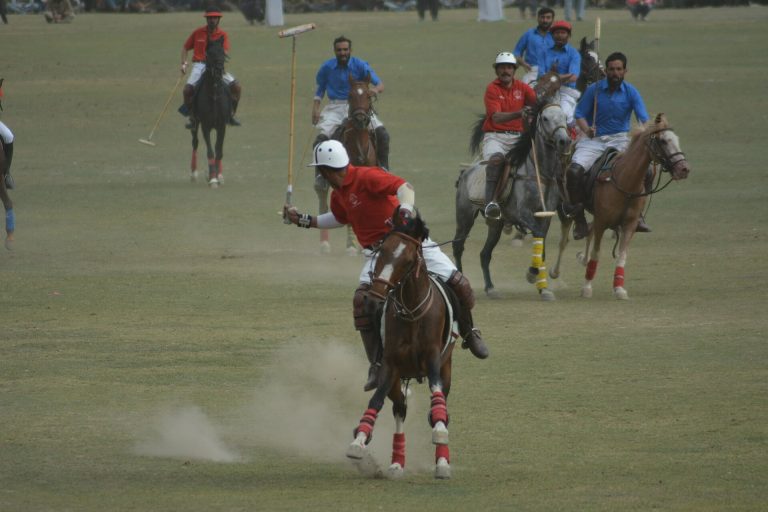 Shandur PassThe high plateau road is generally passable from early summer into autumn, depending on snow, and is busiest during the polo festival.
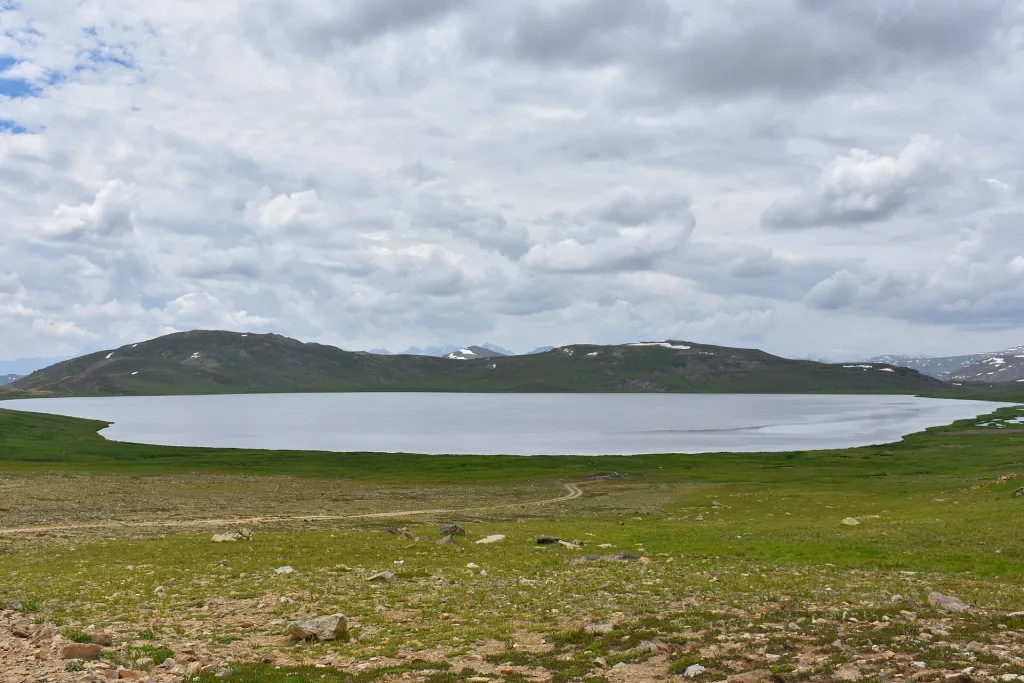
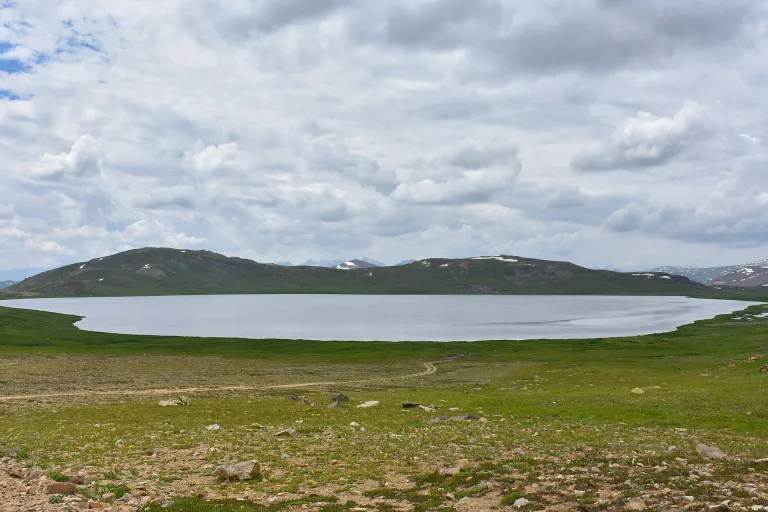 Deosai PlainsGilgit-Baltistan e-Tourism recommends June to September. Snow can linger into June and return in autumn, closing the jeep roads from Skardu and Astore.
Festivals worth planning around
 Chilam JoshiThe Kalasha spring festival marks the end of winter and the move of herds to the pastures. Hotels fill quickly, so book early and follow local rules on photography.
 Uchal and ChaumosUchal celebrates the summer harvest in August; Chaumos, around the winter solstice in December, is the largest and most religious festival, and some rites are closed to outsiders.Shandur Polo FestivalChitral and Gilgit-Baltistan teams play freestyle polo on the high plateau. Dates are announced each year and have moved between June and late July.
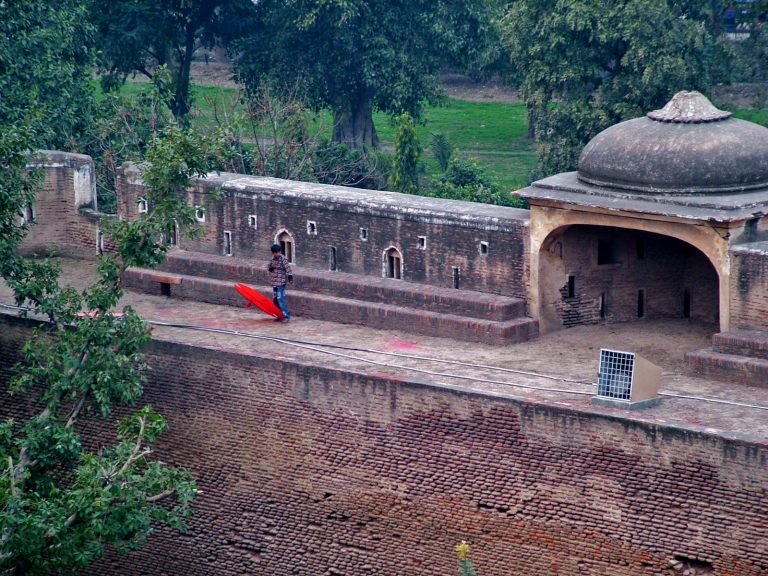 BasantPunjab's kite festival welcomes spring. After a ban of about two decades, Lahore permitted Basant on 6–8 February 2026 under strict safety rules; check whether it is allowed in your year.
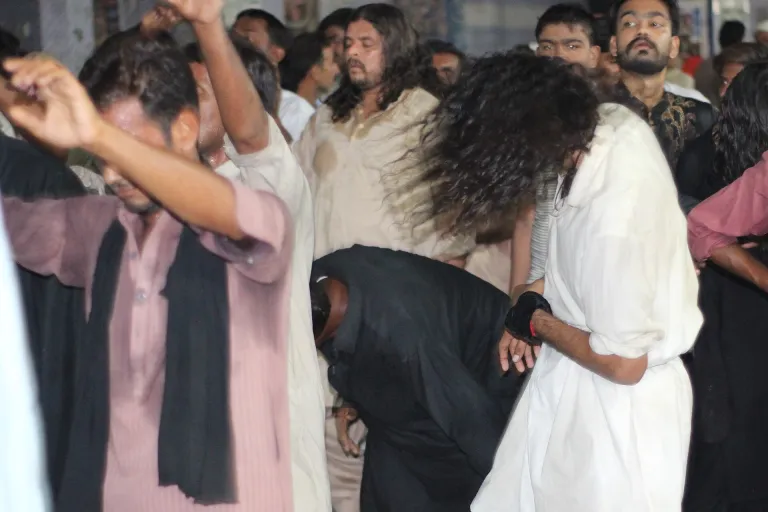 Urs of Lal Shahbaz QalandarThe three-day Urs begins on the 18th of Sha'ban, the month before Ramadan, with dhamal and huge crowds. Because it falls less than two weeks before Ramadan, it moves about 11 days earlier each year.
 Independence DayFlags, illuminations and family outings across the country; expect busy roads to hill stations over the holiday.
Ramadan and Eid travel
The Islamic calendar is lunar, so Ramadan and the two Eids arrive about 10–11 days earlier each Gregorian year, cycling through every season over roughly 33 years. Each month begins with the sighting of the new moon, and Pakistan's official dates are confirmed by the government's moon-sighting committee, so the exact start may only be known a day ahead. In 2026 Ramadan ran from about mid-February to mid-March, and the Eid ul-Azha holidays were notified for 26–28 May.
- During Ramadan: avoid eating, drinking or smoking in public in daylight, expect shorter office and shop hours, and plan around iftar, when roads become very busy just before sunset. Evenings bring iftar gatherings and lively late-night markets.
- Eid holidays: domestic tourism surges. Hill stations and northern valleys fill up and roads to them can jam. Book rooms and transport well ahead, or travel just after the holiday.
- Muharram: around Ashura, processions and tighter security affect travel in some cities, and events such as the Shandur festival have been rescheduled around it.
Season is not the only factor
Some places that are at their best in a particular season are covered by government travel warnings. The UK FCDO advises against all travel to Balochistan (including the Makran coast), to Swat and other listed districts of Khyber Pakhtunkhwa, and to the N45 to Chitral including the Kalash valleys; against all but essential travel to Azad Jammu and Kashmir and to Sindh north of and including Nawabshah, which covers Mohenjo-daro; and against all travel within 10 miles of the Line of Control. The US State Department advises its citizens not to travel to Balochistan, Khyber Pakhtunkhwa or the vicinity of the Line of Control. The FCDO notes that foreign nationals must register with the local authorities in Gilgit-Baltistan. Check current advisories and local authority guidance before booking.
Weather and safety
Heat waves, monsoon floods and landslides can close roads and change plans at short notice. Check the Pakistan Meteorological Department forecast and local news before mountain drives, avoid narrow mountain roads at night, and build spare days into any northern trip, flights to Gilgit and Skardu are often delayed or cancelled by weather.

Frequently Asked Questions
What is the best month to visit northern Pakistan?
For most travellers, September and early October combine open roads, clearer weather after the monsoon and autumn colour. June to August is better for high treks and Deosai, but brings more traffic and monsoon-related landslide risk.
When is the best time to visit Lahore, Karachi and the deserts?
Roughly November to February, when days are mild. Summer on the plains is extremely hot, and the monsoon brings humidity and flooding from early July. Punjab can have fog and smog in mid-winter.
When do Babusar, Khunjerab and Deosai open?
Typically Babusar opens between late May and late June and closes with autumn snow; Khunjerab traditionally operated from April to November and has run year-round for trade since December 2024; Deosai is recommended from June to September. Check the National Highway Authority and GB Tourism before travelling.
Is it a good idea to travel during Ramadan or Eid?
Ramadan can be a memorable time to visit, but daytime services are reduced and you should not eat or drink in public in daylight. Eid holidays bring heavy domestic travel, so book well ahead or travel after the holiday. Dates move about 11 days earlier each year.
When are the Kalash festivals?
Chilam Joshi is held in mid-May, Uchal in August and Chaumos in mid-December. Exact dates are set locally each year; check with KP tourism or local hosts, and read the travel advisories for Chitral.
Keep Exploring
Related places and stories on DailyLife.pk
 Hunza ValleyPlan a Hunza Valley trip: Baltit and Altit forts, Attabad Lake, Passu Cones, Hussaini bridge
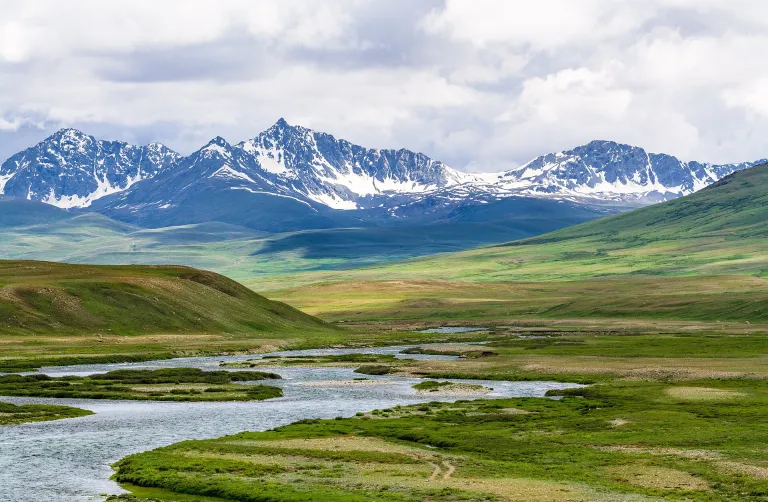 Deosai National ParkDeosai National Park guide: Himalayan brown bears, Sheosar Lake, Bara Pani, routes from Skardu and Astore
 Khunjerab PassKhunjerab Pass guide: the Karakoram Highway border crossing, Khunjerab National Park wildlife, season, altitude safetyBabusar PassBabusar Pass guide: the summer road from Naran via Lulusar to Chilas, Babusar Top views
 Shandur PassPlan a Shandur Pass trip: the Shandur Polo Festival, Shandur Lake, routes from Chitral and GilgitKalash ValleysVisit the Kalash valleys respectfully: Bumburet, Rumbur and Birir, Chilam Joshi, Uchal and Chawmos festivals
How we know this
- Type Practical guide
- Sources 21 (8 official/academic)
- Reviewed October 2026
- Disputed points None
Rules and fees change, confirm with the official links below before you act.
21 sources
- Pakistan Meteorological Department, Pakistan Meteorological Department
- Pakistan: Land – Climate, Encyclopaedia Britannica
- Pakistan travel advice: Regional risks, UK Foreign, Commonwealth & Development Office
- Pakistan travel advice: Warnings and insurance, UK Foreign, Commonwealth & Development Office
- Pakistan Travel Advisory, U.S. Department of State
- Pakistan Tourism Development Corporation, Ministry of Tourism / PTDC
- Tourism Development Corporation of Punjab, Government of Punjab
- Khyber Pakhtunkhwa Culture & Tourism Authority, Government of Khyber Pakhtunkhwa
- Tourism, Sports, Culture, Archaeology & Museums Department, Government of Gilgit-Baltistan
- Sindh Tourism, Sindh Tourism Development Corporation
- AJK Tourism Department, Government of Azad Jammu and Kashmir
- Deosai National Park, Gilgit-Baltistan e-Tourism, Government of Gilgit-Baltistan
- Babusar road reopens to traffic after seven months, Dawn
- Khunjerab Pass achieves milestone with year-round operation, Profit by Pakistan Today
- Kalash valley: Life revolves around festivals, Gulf News
- Vibrant Uchal festival concludes in Chitral's Kalash valley, Tribal News Network
- Shandoor polo festival rescheduled, to start on July 22, Associated Press of Pakistan
- Basant returns: How Punjab is bringing back its biggest festival safely, Gulf News
- Call of Qalandar, Dawn
- Eid-ul-Azha holidays notification, 20 May 2026, Cabinet Division, Government of Pakistan
- K2 Base Camp Trek Guide, Central Karakoram National Park
Photo credits (12)
- Rakaposhi & Autumn.jpg, mhtoori, CC BY-SA 4.0, via Wikimedia Commons
- Sheosar Lake, Deosai National Park, Pakistan.jpg, Taimoor Bin Khalid, CC BY-SA 4.0, via Wikimedia Commons
- Khunjerab Pass Road - Karakoram Highway.jpg, Shaguftakarim, CC BY-SA 4.0, via Wikimedia Commons
- View from Babusar top 2.jpg, Saadzafar91, CC BY-SA 3.0, via Wikimedia Commons
- Shandur Polo festival 2016.jpg, Ijlalahmed, CC BY-SA 4.0, via Wikimedia Commons
- Chilam Joshi Festival in Kalash Valley.jpg, Omer Imran, CC BY-SA 4.0, via Wikimedia Commons
- Kalash Valley Bumburet.jpg, Waleed0343, CC BY-SA 4.0, via Wikimedia Commons
- Child flying kite at Shahi Qila - Flickr.jpg, Guilhem Vellut from Annecy, France, CC BY 2.0, via Wikimedia Commons
- Spiritual Dance at the Tomb of Lal Shahbaz Qalandar called "Dhamal".jpg, Naeemcanon, CC BY-SA 4.0, via Wikimedia Commons
- The beautiful Karakoram Highway.jpg, Saadzafar91, CC BY-SA 3.0, via Wikimedia Commons
- Beautiful cloud formation during Sunset over Derawar Fort.jpg, Muhammad Ashar, CC BY-SA 3.0, via Wikimedia Commons
- Minar-e-Pakistan with waving national flags.JPG, Susmanhamza, CC BY-SA 3.0, via Wikimedia Commons
