
Travel Planning
Pakistan Travel Safety: A Practical Guide for Visitors
What the official advisories actually say, which regions need extra caution, and the everyday precautions that matter most.
Is Pakistan safe to visit?
There is no single answer, because safety in Pakistan varies enormously by region and by activity. Major cities such as Islamabad, Lahore and Karachi, along with popular northern destinations like Hunza, Skardu and Naran, receive a steady stream of domestic and foreign visitors every year without incident. At the same time, several border regions and parts of Khyber Pakhtunkhwa and Balochistan carry serious, specific security warnings from foreign governments.
The United Kingdom, United States and Australia each publish travel advice for Pakistan, and all three currently advise against all travel to certain border areas and against all but essential travel to wider zones, while treating the rest of the country more cautiously but without a blanket warning. The practical takeaway is to check the advisory relevant to your own nationality for the specific region you intend to visit, rather than treating the whole country as uniformly safe or uniformly dangerous.
Everyday risk versus regional security warnings
It helps to separate two different kinds of risk. Everyday risk is the kind found in most tourist destinations worldwide: pickpocketing, overcharging, road accidents, and the usual hazards of unfamiliar food, water and traffic. Regional security risk is different in kind. It refers to specific areas, mostly along the Afghan border and in parts of Balochistan, where militancy, kidnapping risk or armed conflict have led foreign ministries to advise against travel altogether.
Treating ordinary big-city travel like a conflict zone is unnecessary and treating a genuine high-risk border district like an ordinary tourist stop is dangerous. Reading the specific, current advisory for the district you plan to visit, rather than a general impression of the country, is the single most useful thing a visitor can do before travelling.
Petty crime and common scams
Violent crime against tourists is rare in the places foreigners actually visit, but petty theft, overcharging and minor scams happen anywhere with heavy footfall. Common patterns include inflated taxi and rickshaw fares quoted before the ride, unofficial self-appointed guides who attach themselves uninvited at tourist sites, currency-exchange shortchanging and inflated prices for handicrafts or gemstones aimed specifically at foreigners.
Agreeing on a fare before getting in a vehicle, using hotel-arranged or ride-hailing transport where available, keeping valuables out of sight, and paying by traceable means where possible all reduce exposure. Being firm but polite with unsolicited guides or sellers is usually enough to end the interaction.
Road safety
Road traffic accidents are a more realistic day-to-day danger than crime for most visitors. Pakistani roads range from modern motorways between major cities to narrow, unpaved mountain tracks in the north, and driving standards, vehicle maintenance and lighting vary widely. Night driving in rural and mountain areas carries particular risk from unlit vehicles, livestock on the road and poor surface conditions.
For mountain routes such as those through Gilgit-Baltistan or Chitral, hiring an experienced local driver familiar with the specific road is generally safer than self-driving, especially during or after rain or snowfall when landslides and route closures are common. Checking current road conditions before departure and building slack into any itinerary that depends on a single mountain pass is worthwhile, since closures can add days to a trip.
Advice for solo travellers
Solo travel in Pakistan is done regularly by both domestic and foreign visitors, but it benefits from more planning than travelling in a group. Choosing well-reviewed accommodation, arranging transport in advance rather than hailing unknown vehicles late at night, and keeping a trusted contact informed of your itinerary all reduce risk. Remote trekking routes in particular should not be attempted alone without a guide, given the lack of mobile coverage and emergency response time in those areas.
Advice for women travellers
Pakistan is a conservative society, and women travellers, especially those travelling alone, may encounter staring, unwanted attention or questions about their marital and travel status more often than in some other countries. Dressing modestly, particularly covering shoulders and knees, is both culturally respectful and tends to reduce unwanted attention. Many women do travel independently in Pakistan, but choosing secure, well-reviewed accommodation, arranging vetted transport, and keeping regular contact with someone at home are sensible precautions rather than signs that solo travel is impossible.
Regions that require extra caution or permits
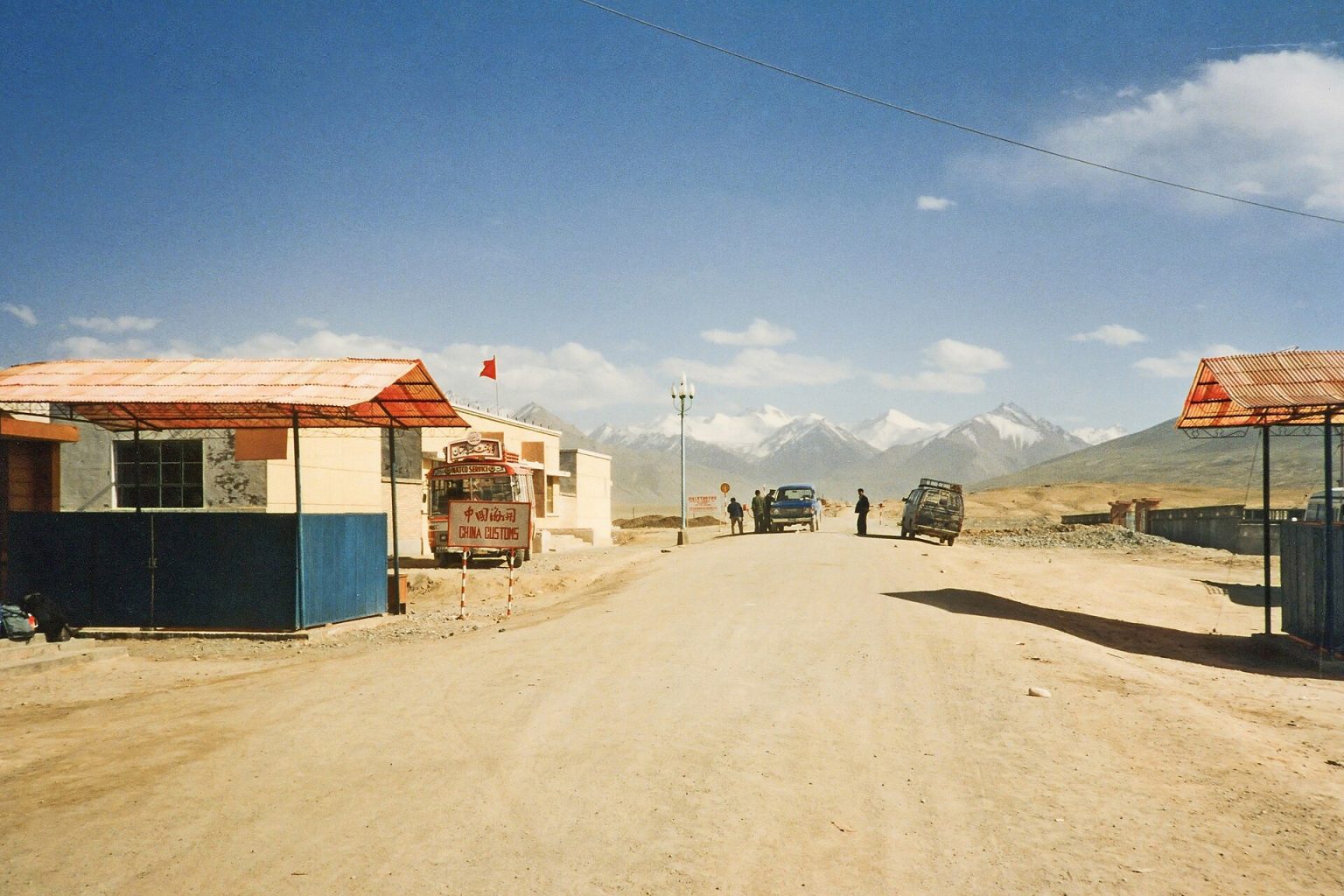
Certain areas close to the border with Afghanistan, along with some districts in Balochistan, are subject to specific foreign-government advisories against travel, and in some cases are also restricted or require special permission from Pakistani authorities to enter. Separately, some areas in the north, including parts of Gilgit-Baltistan, require a Foreigner's Registration or trekking permit for reasons unrelated to security, simply because they are near international borders.
These are two different kinds of restriction: one is about active danger, the other is administrative. Before finalising an itinerary that includes a border district or a high-altitude trekking zone, check both whether your government advises against the area and whether you need a permit to enter it legally.
Weather and natural hazards
Northern Pakistan is subject to landslides, flash flooding and sudden weather changes, particularly during the monsoon (roughly July to September) and at high altitude outside the main summer season. Roads through Gilgit-Baltistan and Chitral can close with little warning after heavy rain or snow. Checking a short-range forecast and recent road-condition reports immediately before departure, rather than relying on a forecast checked days earlier, is worth the extra few minutes.
Health, vaccinations and drinking water
Tap water should not be assumed safe to drink anywhere in Pakistan; bottled or properly treated water is the safer default, including for brushing teeth in areas with uncertain supply. Routine travel vaccinations plus destination-specific recommendations (commonly including hepatitis A, typhoid, and depending on itinerary and season, others such as rabies or Japanese encephalitis) should be discussed with a travel health provider or clinic well before departure, since some vaccines need to be given weeks in advance. Mosquito-borne illness precautions are also worth taking seriously in lower-altitude and urban areas, particularly during and after monsoon season.
Staying connected: mobile coverage and communication
Mobile coverage is generally reliable in cities and along major routes but can disappear entirely in remote mountain valleys and high passes. A local SIM, downloaded offline maps, and a basic communication plan with someone back home are all inexpensive ways to reduce risk on remote legs of a trip. If you expect to lose coverage for a defined stretch, let your contact know in advance roughly when you expect to be reachable again, so a gap in contact does not trigger unnecessary alarm.
Emergency numbers in Pakistan
The nationally publicised police emergency number is 15. Rescue 1122 provides emergency medical and fire response in many, though not all, districts, and Edhi Foundation ambulance services, reachable on 115, operate widely across the country as a long-standing charitable emergency service. The National Highways and Motorway Police can be reached on 130 for incidents on the motorway network specifically. Coverage and response times vary by location, so it is worth asking your hotel or tour operator for the most relevant local emergency contact at each stop, particularly in remote areas.
What to do in an emergency
If you are in immediate danger, move to safety first before anything else. When calling for help, state your location as precisely as possible, including a nearby landmark or coordinates if you cannot give a street address, describe what has happened and how many people are affected, and follow the responder's instructions. Do not attempt a difficult evacuation yourself if proper medical or rescue support is available. If your passport is lost or stolen, report it to the police first and then contact your embassy or consulate for guidance on an emergency travel document; keeping a digital copy of your passport's identity page and visa somewhere secure makes this process considerably faster.
Staying in touch with family and your embassy
Before leaving, share your rough itinerary, accommodation details and flight information with someone you trust, and agree on how often you will check in. Many governments offer a free voluntary travel-registration service, such as the US State Department's Smart Traveler Enrollment Program or the UK's email alerts for its travel advice, and registering makes it easier for your embassy to reach you in a crisis. It is worth knowing in advance what an embassy realistically can and cannot do: consular staff can offer guidance, replacement-document help and a list of local lawyers or doctors, but they cannot override Pakistani law, pay your bills or guarantee evacuation, and dual nationals in particular may find their options more limited.
Choosing safe accommodation and tour operators
Beyond comfort, good accommodation means a secure location, credible recent reviews and staff who can point you to local emergency services if needed. For guided tours or treks, verify the operator's licence, ask specifically about guide qualifications, permits, safety equipment and what happens if weather or security conditions force a change of plan. A reputable operator will answer these questions directly rather than brushing them off with blanket reassurance.
Pre-travel safety checklist
- Check the current official travel advisory for your nationality, for the specific regions on your itinerary
- Confirm passport, visa and any required permits well in advance
- Arrange travel insurance that covers your planned activities and destinations
- Review recommended vaccinations with a travel health provider
- Plan for safe drinking water throughout the trip
- Save local and embassy emergency contacts before you arrive
- Set up a working SIM or data plan and download offline maps
- Share your itinerary with someone at home and agree on check-in points
- Book accommodation and transport with attention to security and reviews, not just price
- Build flexibility into any itinerary that depends on mountain roads or a single weather-sensitive route
Frequently Asked Questions
Is Pakistan safe for tourists right now?
It depends heavily on the region and activity. Major cities and popular northern destinations see tourists regularly with no major incident, while some border areas carry serious advisories against travel. Always check the current advisory for your nationality for the specific area you plan to visit.
Is Pakistan safe for solo travellers?
Solo travel is done by many visitors, but it requires more planning than group travel: secure, well-reviewed accommodation, pre-arranged transport, and a check-in plan with someone back home. Remote trekking routes should not be done alone without a guide.
Can women travel alone in Pakistan?
Many women do, but it takes extra planning given the country's conservative social norms. Dressing modestly, choosing secure accommodation and vetted transport, and keeping regular contact with someone trusted all help.
Which areas of Pakistan need special permits?
Some border zones and parts of Gilgit-Baltistan require a Foreigner's Registration or trekking permit, separate from any security advisory that may also apply. Permit requirements vary by nationality, destination and purpose of travel, so check well ahead of your trip.
What is the emergency police number in Pakistan?
The nationally publicised police emergency number is 15.
What is the ambulance number in Pakistan?
Rescue 1122 operates emergency medical and fire response in many districts, and Edhi ambulance services can be reached on 115. Coverage varies, so confirm the best local option at your destination.
Is tap water safe to drink in Pakistan?
Do not assume tap water is safe anywhere in the country. Stick to bottled or properly treated water, including for brushing teeth where supply is uncertain.
Should I self-drive in northern Pakistan?
An experienced local driver is generally a safer choice than self-driving on mountain routes in Gilgit-Baltistan or Chitral, particularly given sudden weather changes, landslide risk and unfamiliar road conditions.
Can my embassy help if something goes wrong?
Embassies can offer consular guidance, help with replacement travel documents and local contact lists, but they cannot override Pakistani law, cover costs or guarantee evacuation. Dual nationals may face extra limitations.
Is travel insurance necessary for Pakistan?
Yes, and it is worth confirming the policy covers your specific destinations and activities, including any high-altitude trekking, since travel against an official advisory can affect coverage.
How we know this
- Type Practical guide
- Sources 5 (3 official/academic)
- Reviewed October 2026
- Disputed points None
Rules and fees change, confirm with the official links below before you act.
5 sources
- https://www.gov.uk/foreign-travel-advice/pakistan/safety-and-security
- https://travel.state.gov/en/international-travel/travel-advisories/pakistan.html
- https://www.smartraveller.gov.au/destinations/asia/pakistan
- https://nhmp.gov.pk/contact_us
- https://wwwnc.cdc.gov/travel/destinations/traveler/none/pakistan
Photo credits (1)
- Pirali checkpost, Khunjerab Pass.jpg, Bernard Gagnon, CC BY-SA 4.0, via Wikimedia Commons
