
Planning Guide
Best Time to Visit Hunza
April to October is the main window for Hunza, but each month looks and feels different. A month-by-month breakdown of weather, crowds, access risk and what suits you.
- Best April to October
- Hunza Valley, Gilgit-Baltistan
- c. 2,438 m, Karimabad
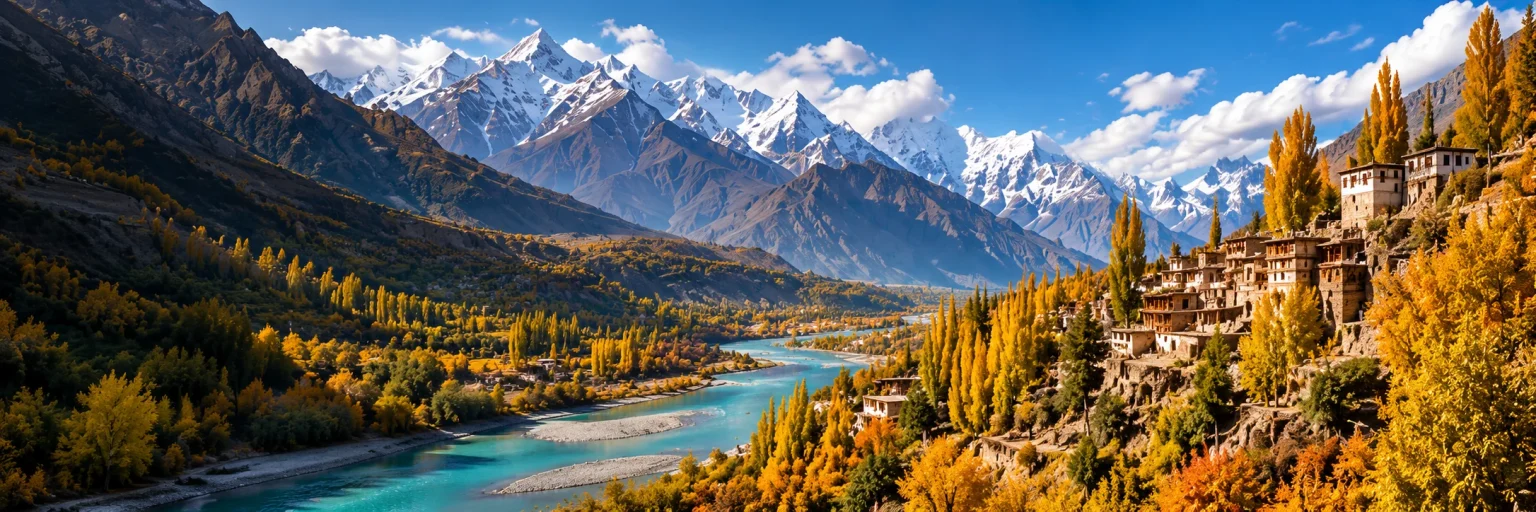
Hunza Valley in autumn colour
What is the best time to visit Hunza?
April to October is generally the best time to visit Hunza, but the right month depends on what you want to see. Go in early to mid-April for spring blossoms, May or September for comfortable sightseeing with fewer crowds, June to August for long days and open mountain roads, or late October for autumn colour. July and August are the busiest months for domestic family travel, but they also bring the highest risk of heavy rain, flash floods and landslides on mountain roads. November to March is quiet and cold, with snow affecting some routes; treat it as a specialist trip rather than a first visit.
There is no single correct month. A photographer chasing autumn colour, a family travelling in the summer holidays and a budget traveller avoiding peak prices all have different ideas of the best time. The month-by-month guide below breaks down weather, scenery, crowds and road risk so you can match the season to your trip.

Hunza month by month at a glance
| Month | Weather feel | Scenery | Crowds | Access risk |
|---|---|---|---|---|
| January | Cold, some snow | Snow-capped, bare orchards | Very quiet | Moderate: cold, occasional closures |
| February | Cold, clearing late month | Snow on peaks, bare valley floor | Very quiet | Moderate |
| March | Cool, changeable | Early blossom in low orchards | Quiet | Low to moderate |
| April | Mild, occasional rain | Peak apricot and cherry blossom | Growing | Low |
| May | Warm days, cool nights | Green valley, clear high peaks | Moderate | Low |
| June | Warm, long days | Full green, orchards fruiting | Busy | Low, but check Khunjerab Pass dates |
| July | Warm, rain risk | Lush valley, rivers high | Very busy (school holidays) | High: flash floods and landslides possible |
| August | Warm, rain risk | Lush valley, rivers high | Very busy | High: flash floods and landslides possible |
| September | Mild, clearer | Green turning gold in places | Moderate | Low |
| October | Cool, dry | Peak golden autumn colour (mid to late month) | Moderate to busy with photographers | Low to moderate as nights cool |
| November | Cold, dry | Bare trees, clear mountain views | Quiet | Moderate: early snow possible |
| December | Cold, snow likely | Snow-capped, stark landscape | Very quiet | Moderate to high depending on snowfall |
General pattern only. Conditions vary year to year. Always check current Pakistan Meteorological Department forecasts and Gilgit-Baltistan Tourism Department advisories before travel.
Hunza month by month
What to expect in each month, based on general seasonal patterns for Gilgit-Baltistan rather than exact conditions in any one year.
January
Deep winter
Cold throughout, with snow on the high peaks and sometimes settling in the valley. Few guesthouses operate at full capacity, and this is the quietest month for visitors. Suited to travellers specifically seeking a winter landscape rather than a first introduction to Hunza.
February
Late winter
Similar to January for much of the month, with conditions beginning to ease toward the end. Still cold, with limited services in some upper villages. Roads can be affected by residual snow and ice; check conditions before driving.
March
Early spring
Temperatures start rising and the first blossoms can appear in lower orchards toward the end of the month. Weather is changeable, with a mix of clear days and rain. A transitional month, better suited to flexible travellers than tightly planned trips.
April
Blossom season
Apricot and cherry blossoms are usually at their best, making this one of the most photographed months in Hunza. Days are mild and generally pleasant, though occasional rain is possible. Exact blossom timing shifts from year to year, so check recent reports before booking around it specifically.
May
Comfortable spring
Warm, clear days and cooler nights make May a strong all-round choice. The valley is green, high peaks are usually visible, and crowds are lighter than in summer. A good month for first-time visitors who want reliable conditions without peak-season congestion.
June
Early summer
Long daylight hours and generally stable weather make June popular for sightseeing and day trips. Orchards are fruiting and the valley is at its greenest. Khunjerab Pass toward the China border opens on a seasonal schedule; confirm current dates before planning a trip there.
July
Peak summer, rain risk
The busiest month for domestic family travel, coinciding with school holidays. Warm temperatures are common, but so is rainfall, and heavy rain has caused flash floods and landslides on mountain roads in past summers. Build slack into any July itinerary and monitor forecasts daily.
August
Peak summer, rain risk
Similar to July: busy, warm and carrying real flood and landslide risk after heavy rain. Accommodation should be booked well ahead. If travelling in August, keep two or three buffer days in your plan and avoid driving mountain roads during or immediately after heavy rainfall.
September
Shoulder season
Crowds thin out and weather tends to settle, with mild days and cool nights. Early autumn colour can begin in places toward the end of the month. A favoured month among repeat visitors for its balance of good weather and fewer tourists.
October
Autumn colour
Widely considered the best month for photography, as poplar and fruit trees turn gold, orange and red, usually peaking in the middle to latter half of the month. Nights grow noticeably colder as the month goes on. Exact timing of peak colour varies, so building a few flexible days helps.
November
Late autumn
Trees are mostly bare and temperatures drop significantly, especially at night. Early snow is possible at higher elevations. Quiet and clear, this suits travellers who prioritise uncrowded mountain views over greenery or colour.
December
Early winter
Cold, with snow likely, particularly in the second half of the month. Some roads and services operate on a reduced winter schedule. A specialist winter trip rather than a general sightseeing visit; confirm which guesthouses and routes are open before travelling.
Best months by purpose
Photography
April and October
April for blossom, October for golden autumn colour. Both months offer strong light and dramatic contrast between foliage and snow peaks.
Blossom season
Early to mid-April
Apricot and cherry blossoms are usually at their best in the first half of April, though exact timing shifts year to year with winter snowfall and spring warmth.
Autumn colour
Mid to late October
Poplar and fruit trees turn gold and orange, typically peaking in the second half of October before nights turn sharply cold.
Families
June or September
Warm, generally stable weather without the heaviest July and August rain risk. September also has thinner crowds than peak summer.
Trekking and high routes
June to September
The main window for higher-altitude trails and passes, once winter snow has cleared and before autumn cold sets in. Confirm specific trail and pass conditions locally.
Budget travel
May or September
Shoulder-season months carry lower accommodation demand than July and August, with generally good weather and smaller crowds.
What to pack by season
- Spring (March to May): layered clothing, a warm jacket for evenings, comfortable walking shoes, and rain protection for occasional showers.
- Summer (June to August): light clothing for daytime, a warm layer for evenings and higher elevations, a waterproof jacket, and sun protection.
- Autumn (September to November): warm layers, a proper jacket for increasingly cold nights, and rain protection, especially later in the season.
- Winter (December to February): heavy winter clothing, insulated boots, gloves and a hat; some guesthouses have limited heating, so check in advance.
- Year-round: a basic first aid kit, any regular medication, a power bank, and cash, since card acceptance and ATMs are limited outside main towns.
Handling rain, landslides and road closures
Mountain roads in Gilgit-Baltistan can close temporarily after heavy rain, landslides or snowfall, most often in July and August and again in winter. A past closure does not mean a road is closed now, and a lifted advisory does not guarantee it will stay open. Before travelling, check the Gilgit-Baltistan Tourism Department and Pakistan Meteorological Department for current conditions, ask your hotel or driver on the day, and keep at least one buffer day in any itinerary that includes mountain driving. Avoid travelling on narrow mountain roads during or immediately after heavy rain.
Altitude and health notes
Karimabad sits at roughly 2,438 metres, a moderate altitude where some travellers notice mild effects such as breathlessness on exertion, especially if arriving quickly from low elevation. The NHS advises going up gradually where possible, resting if you feel unwell, drinking enough water, and avoiding alcohol in the first day or two at altitude. Symptoms that worsen, rather than improve, with rest are a reason to seek local medical advice rather than continuing to climb. Hunza itself is lower than Skardu or Deosai, so this matters less here than on a route that also takes in those higher areas.
Sample four-day plan: spring (blossom season)
Built around early to mid-April, when blossom is usually at its best.
- 1
Day 1: Arrive and settle in Karimabad
Travel in, check into your accommodation, and take an easy walk through the orchards if light and energy allow.
- 2
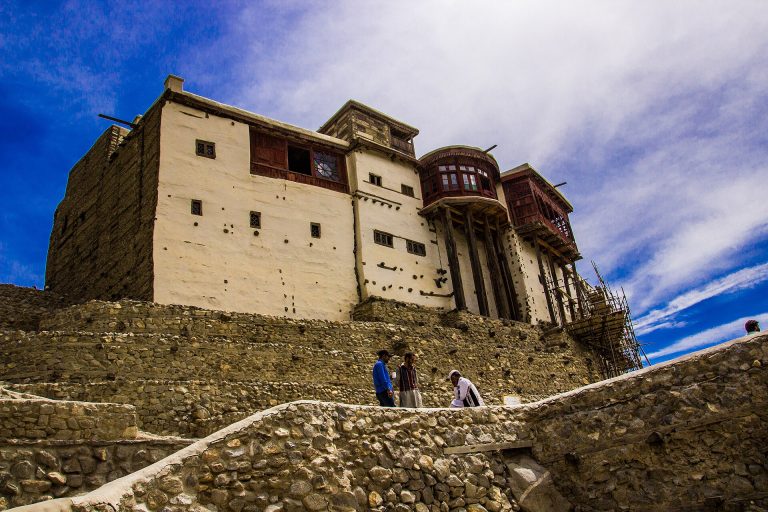
Day 2: Baltit and Altit Forts
Visit Baltit Fort in the morning and Altit Fort and village in the afternoon, with time in the surrounding blossom orchards.
- 3
Day 3: Duikar and the upper villages
Head up to Duikar for valley views, then explore villages such as Ganish for traditional architecture and quieter blossom scenes.
- 4
Day 4: Upper Hunza or flexible return
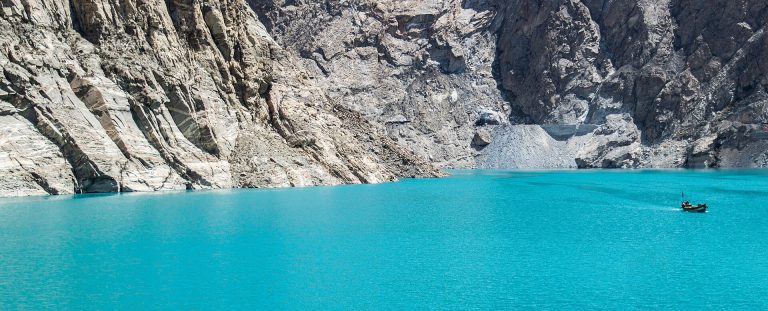
If time allows, head toward Gojal for Attabad Lake and the Passu area; otherwise keep the day flexible for the return journey.
Sample four-day plan: autumn (colour season)
Built around mid to late October, when golden colour is usually at its peak.
- 1
Day 1: Arrive in Karimabad
Settle in and take an early look at the colour on the terraces below Baltit Fort while the light is good.
- 2
Day 2: Baltit, Altit and village colour
Spend the day around the forts and villages, where poplar and fruit trees are usually at their most golden.
- 3
Day 3: Passu and Upper Hunza
Travel north toward Passu and Gulmit for Attabad Lake and the Passu Cones, both strong for autumn photography.
- 4
Day 4: Duikar sunrise and departure
An early start to Duikar for sunrise over the valley, then a flexible day for the return journey as nights are now cold.
Frequently Asked Questions
What is the single best month to visit Hunza?
There is no single best month for everyone. April suits blossom and photography, October suits autumn colour, and May, June or September suit travellers who want reliable weather with fewer crowds than July and August.
Is Hunza open in winter?
Yes, but winter (December to February) brings cold temperatures, possible snow and reduced services in some villages. Treat it as a specialist trip and confirm which guesthouses and roads are operating before you travel.
When do the cherry and apricot blossoms bloom in Hunza?
Blossom is usually at its best in early to mid-April, though exact timing shifts each year with winter snowfall and spring temperatures. Check recent local reports close to your travel dates.
When is autumn colour at its peak in Hunza?
Colour typically peaks from mid to late October, with poplar and fruit trees turning gold, orange and red before nights turn sharply cold.
Is July or August a bad time to visit?
Not bad, but riskier. Both months are the busiest for domestic travel and carry the highest chance of heavy rain, flash floods and landslides on mountain roads. Build buffer days into any summer itinerary.
Is Hunza good for family travel?
Yes, particularly June or September, which combine generally stable weather with a lower flood and landslide risk than peak summer. Consider the needs of children and older travellers when planning daily distances.
Do I need to worry about altitude in Hunza?
Karimabad is at a moderate altitude, around 2,438 metres. Most visitors adjust without issue, but go up gradually where possible, rest if you feel unwell, and seek local medical advice if symptoms worsen rather than improve.
How far in advance should I book for peak season?
For April blossom season and especially for July and August, book accommodation and transport well in advance, since both are high-demand periods for domestic and international visitors.
Keep Exploring
Related places and stories on DailyLife.pk
 Hunza ValleyPlan a Hunza Valley trip: Baltit and Altit forts, Attabad Lake, Passu Cones, Hussaini bridge
 Attabad LakeAttabad Lake guide: how the 2010 landslide formed it, the Friendship Tunnels, boating
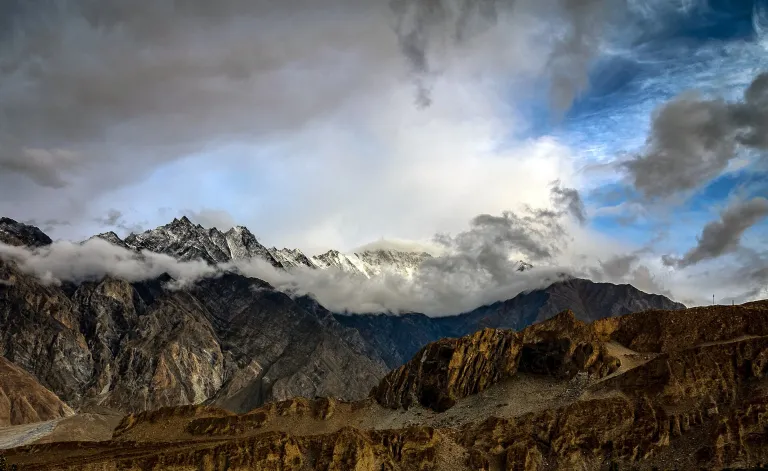 Passu and GojalPassu and Gojal guide: Passu Cones, Batura and Passu glaciers, Hussaini bridge, Gulmit, Borith Lake
 GilgitGilgit city guide: Kargah Buddha, bazaars, polo, 1947 history, Naltar and Rakaposhi day tripsHunza vs Skardu: Which Is Better for Your First Trip to Northern Pakistan?Two great mountain bases in Gilgit-Baltistan, two very different journeys.
 Mountain Safety and AcclimatisationAltitude illness, ascent rates, rest days, when to descend
How we know this
- Type Practical guide
- Sources 7 (3 official/academic)
- Reviewed October 2026
- Disputed points None
Rules and fees change, confirm with the official links below before you act.
7 sources
- Karimabad Valley, Tourism Department, Government of Gilgit-Baltistan (e-Tourism portal)
- Monthly climate and weather advisories, Pakistan Meteorological Department
- Pakistan travel advice: Regional risks, UK Foreign, Commonwealth & Development Office
- Altitude sickness, NHS 111 Wales
- Gojal: Where Pakistan begins, Dawn
- Khunjerab Pass opens for 14 days for trade, Dawn
- Visit Gilgit-Baltistan: travel advisories, Gilgit-Baltistan Tourism Department
Photo credits (7)
- Lake Attabad, Hunza Nagar, Pakistan.jpg, Taha Rafiq, CC BY-SA 4.0, via Wikimedia Commons
- Baltit Fort , Karimabad , Hunza Valley.jpg, Mimalkera, CC BY-SA 4.0, via Wikimedia Commons
- Hunza-city.jpg, Gudupk, CC BY-SA 3.0, via Wikimedia Commons
- Ganish hunza in summers.JPG, Mehtab Hussain hunzai, CC BY-SA 4.0, via Wikimedia Commons
- Duikar Hunza.jpg, Tanveersalman, CC BY-SA 3.0, via Wikimedia Commons
- Altit Fort, Hunza.jpg, Usmanmiski, CC BY-SA 3.0, via Wikimedia Commons
- Sost village.jpg, Père Igor, CC BY-SA 3.0, via Wikimedia Commons
