
Comparison
Hunza vs Skardu: Which Should You Visit First?
Two great mountain bases in Gilgit-Baltistan, two very different journeys. A clear comparison of scenery, sights, access, seasons, costs and itineraries.
- Hunza and Skardu, Gilgit-Baltistan
- Best May to October
- 4 to 6 days each
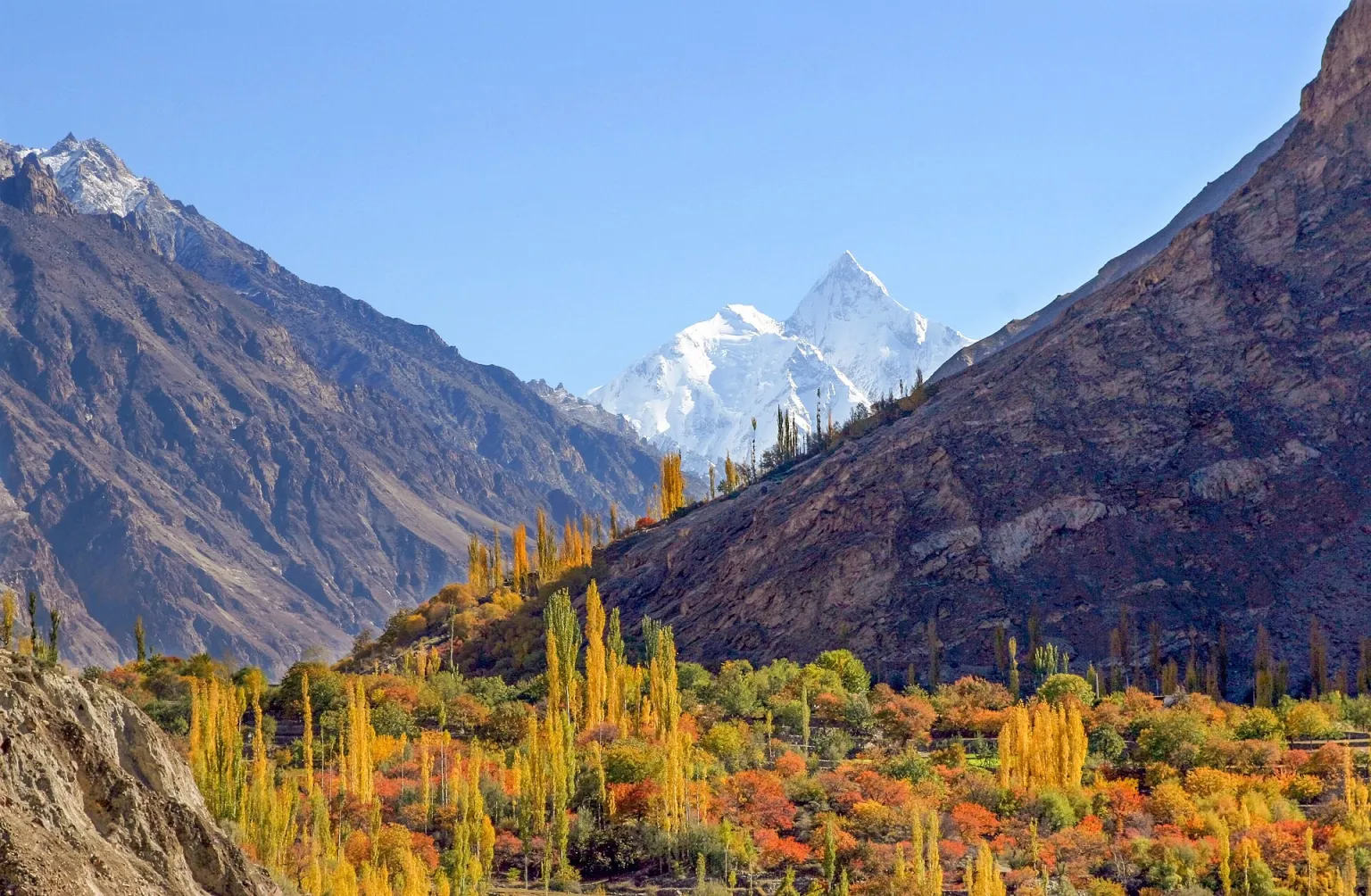
Autumn colour in the Hunza Valley
Hunza or Skardu? The short answer
Choose Hunza if you want a mountain trip built around villages, historic forts, orchards, cafes and a road that delivers a new view every hour. Choose Skardu if you want wilder, more varied landscapes: lakes, a cold desert, wide river basins and the high plateau of Deosai, with trekking country close by.
Neither is better in every way. Hunza is generally the gentler first introduction, with sights strung along one valley corridor and a strong sense of living culture. Skardu is the bigger, more rugged region, with sights spread over several valleys, so it rewards travellers who are happy to spend long days on the road for something that feels remote.
If you can only pick one and you have never travelled in the mountains of Pakistan, Hunza is the easier choice. If you have already seen the Karakoram Highway or you are drawn to lakes and high-altitude landscapes, Skardu will probably stay with you longer. If you have ten days or more, do both: our 10-day Hunza and Skardu circuit shows how to link them with proper acclimatisation.

Hunza vs Skardu at a glance
| Hunza | Skardu | |
|---|---|---|
| Landscape | Terraced fields, orchards and villages under glaciated peaks | Rocky basins, lakes, cold desert and high plateaus |
| Character | Cultural, scenic, relaxed | Wild, spacious, adventurous |
| Headline sights | Baltit Fort, Altit Fort, Attabad Lake, Passu Cones, Gulmit | Upper and Lower Kachura Lakes, Shigar, Khaplu, Katpana Desert, Deosai |
| Layout of sights | Along one valley, mostly on the Karakoram Highway | Spread across several valleys; some excursions take a full day |
| Getting there | Road via Gilgit (by the Karakoram Highway), or fly to Gilgit and drive on | Skardu has its own airport; also reached by road from Gilgit |
| Best for | First-time mountain travellers, families, culture and photography | Landscape lovers, lake and desert scenery, trekking bases |
| Main sightseeing season | May to October | May to October; Deosai opens later and closes earlier |
| Time to allow | 4 to 6 days in the region | 4 to 6 days in the region, plus buffer for flights |
Planning guidelines only. Road access, flights and weather change quickly in Gilgit-Baltistan; always confirm current conditions before you travel.
The scenery: two kinds of beauty
Hunza: villages beneath the giants
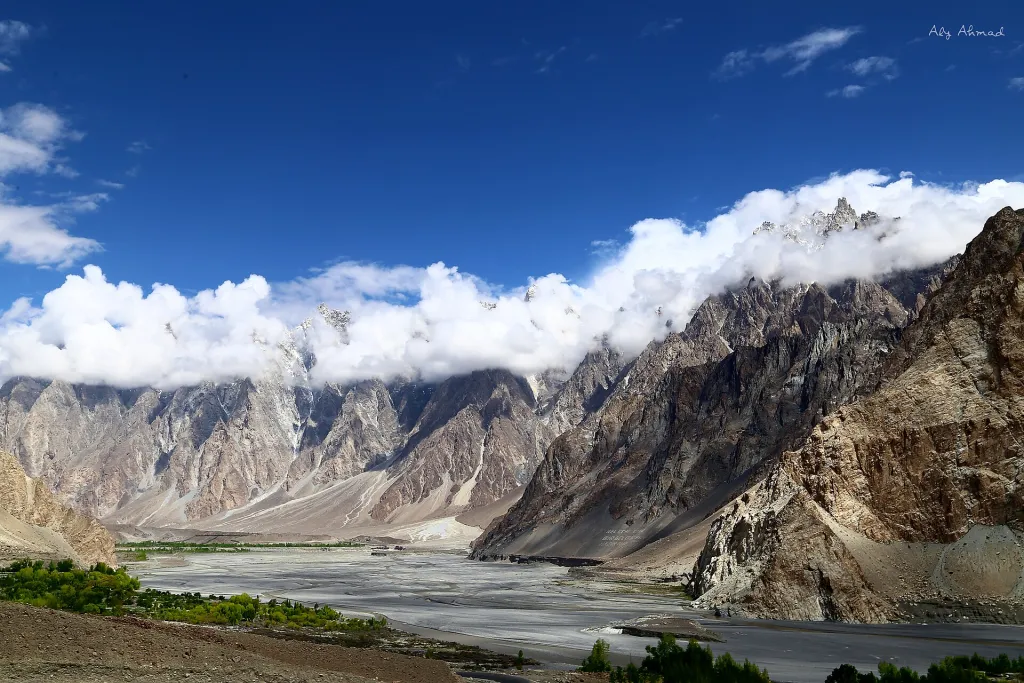
Hunza makes the enormous feel intimate. High mountain walls rise directly above villages, apricot and cherry orchards and stone-walled terraces, and the light changes the scene all day. Around Karimabad, old forts and traditional houses sit against snow peaks. Further north in Gojal, the sharp Passu Cones and the turquoise of Attabad Lake give the valley its famous postcard views.
What makes Hunza memorable is how closely the landscape and daily life are woven together. You can walk between fields, stop at a village tea house, visit a fort and be back at your guesthouse by sunset. It suits people who like to stop often rather than race between viewpoints.
Skardu: a wider, wilder stage
Skardu feels bigger. The Indus spreads across a broad basin ringed by rock and snow, and within a few hours you can move from a calm lake to a patch of sand dunes to a high plateau. The scenery is more varied and more rugged, and it is the gateway to some of the great Karakoram trekking country.
That variety has a price: sights are less concentrated, roads can be slow, and weather matters more. For visitors who love open, empty landscapes and do not mind a long day to reach them, Skardu is hard to beat.
Verdict: Hunza for mountain villages and road-trip scenery, Skardu for variety, space and adventure.
The best places to visit in Hunza
Most of Hunza's best sights lie along a single route, which makes planning simple.
Baltit Fort, Karimabad
History
The old fort above Karimabad is the best starting point for understanding Hunza's past. It has been restored with Aga Khan Trust for Culture support and is on Pakistan's UNESCO Tentative List. A guided visit adds a great deal of context.
Altit Fort and village
Heritage
One of the oldest parts of Hunza, with narrow lanes and traditional houses below the fort. Give it unhurried time rather than a quick photo stop.
Attabad Lake
Upper Hunza
A deep turquoise lake formed after the 2010 landslide, surrounded by rock walls. Boating and other activities depend on local operators, weather and conditions.
Passu Cones
Gojal
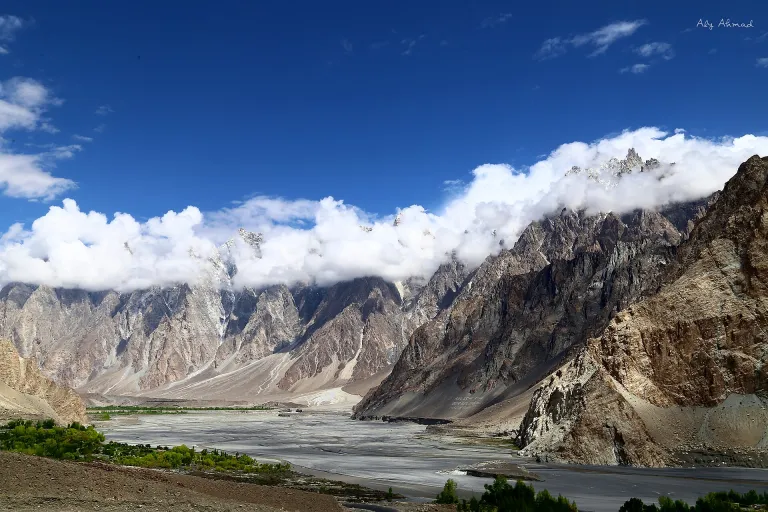
The sharp, pointed peaks above Passu are among the most photographed mountains in Pakistan. Use safe roadside viewpoints and allow time for the changing light.
Gulmit and Gojal villages
Culture
Quiet villages with traditional architecture and orchards. A local guide can explain the history that scenery alone does not show.
Khunjerab Pass
Border road
The high road toward the China border is a long excursion. Access is seasonal and controlled, so check current rules rather than assuming it is open.
The best places to visit in Skardu
Skardu rewards a slower approach. Pick one or two main excursions per day.
Upper Kachura Lake
Lakes
A quiet lake in a mountain bowl, popular with visitors who like calmer scenery. Access and activities change with the season.
Lower Kachura and Shangrila
Lakes
The best-known lake stop near Skardu, with a scenic setting and visitor facilities.
Shigar Valley and Fort
Heritage
Fertile valley with the restored Shigar Fort, a model of heritage conservation in Baltistan and a good half-day for culture lovers.
Khaplu
Old Baltistan
A slower, historic valley of old buildings, orchards and river views. Best with an overnight stay.
Katpana Cold Desert
Landscape
Sand dunes under snow peaks, close to Skardu town. Striking for photography, especially in clear light.
Deosai National Park
High plateau
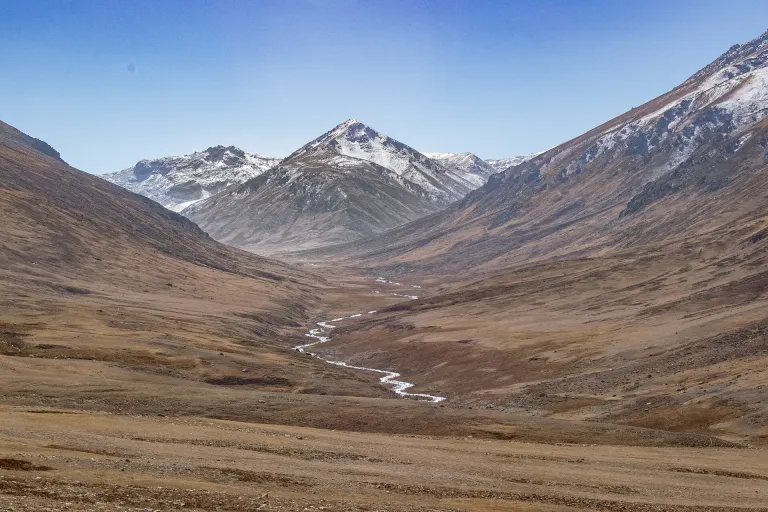
A vast high-altitude plateau with an average elevation of about 4,114 m. Access is seasonal and weather dependent, so plan it as its own excursion with a trusted local driver.
Which one is easier to reach?
Reaching Hunza
Hunza is normally reached along the Karakoram Highway through Gilgit. Some travellers drive the whole way from Islamabad or Rawalpindi, usually with an overnight stop on the way; others fly to Gilgit when flights operate and continue by road. The drive is part of the experience, but it needs flexibility: landslides, repairs, weather and security conditions can change the day's plan.
Reaching Skardu
Skardu has an airport, and flying is the most convenient option when flights run. Mountain flights depend on weather and can be delayed or cancelled, so never build a tight schedule around them. Skardu can also be reached by road, but you should confirm the status of the route before leaving.
The practical test is not which place looks closer on a map. It is which route is open, safe and realistic for your dates.

Check the road before you commit
Gilgit-Baltistan has seen weather-related road disruption in recent seasons, including closures on routes to Skardu during heavy summer rain. A past closure is not a permanent one, and an advisory that has been lifted does not prove a road is open today. Check the latest official status, ask your hotel and driver, and keep two spare days in your plan.
When to go
Gilgit-Baltistan tourism authorities generally point to May to October for sightseeing, but each month feels different.
Spring: April and May
Blossom
Orchards bloom and valleys turn green. A good time for photography and quieter roads, though high-altitude places and some routes can still be closed.
Summer: June to August
Peak season
The busiest period and the easiest for high excursions. Heavy rain can cause floods, landslides and delays, so keep flexible days.
Autumn: September and October
Colour
Golden poplars and clear air make this a favourite for Hunza. Nights get cold, and high routes can close early.
Winter: November to March
Specialist
Snow, low temperatures, limited services and difficult roads. Treat winter as a specialist trip, not a first visit.
Which is more expensive?
Neither destination is reliably cheaper. Your total depends on five things: where you start, whether you fly or drive, the standard of accommodation you choose, how many private excursions you book, and how busy the season is.
Hunza can be economical for travellers who move along the valley by shared or hired transport, because most sights are close together. Skardu often costs more in transport, since sights are spread across different valleys and a private vehicle with an experienced driver is the sensible way to cover them. Both regions have everything from simple guesthouses to comfortable hotels.
Rather than trusting a single daily figure from a blog, ask two or three operators or hotels for written quotes for your exact dates, and add a contingency of a day or two for weather delays. Carry enough cash, as card machines and cash points are limited outside the main towns.
Sample five-day Hunza plan
This plan starts once you are already in the Hunza region. Add transfer days if you are coming from Islamabad by road.
- 1
Day 1: Arrive in Karimabad
Check in, walk the lanes of Karimabad and rest. Watch the sunset light on the peaks.
- 2
Day 2: Baltit and Altit
Visit Baltit Fort in the morning and Altit Fort and village in the afternoon, ideally with a local guide.
- 3
Day 3: Upper Hunza
Drive north to Gulmit and Attabad Lake, with stops at safe viewpoints along the Karakoram Highway.
- 4
Day 4: Passu and village life
Spend time around the Passu Cones, walk in the villages and give yourself space for photography.
- 5
Day 5: Flexible return
Keep the final day open. Mountain roads and connections need a buffer.
Sample five-day Skardu plan
Take the first day easily, as Skardu sits at about 2,228 m and most visitors arrive quickly by air.
- 1
Day 1: Arrive and rest
Check in, drink plenty of water and keep activity light while you adjust to the altitude.
- 2
Day 2: Kachura Lakes
Visit Upper and Lower Kachura lakes and Shangrila, with time to walk and photograph.
- 3
Day 3: Shigar Valley
A heritage day around Shigar Fort and the surrounding village lanes.
- 4
Day 4: Khaplu or Katpana
Choose one main excursion: a full day to Khaplu, or Katpana Cold Desert closer to town.
- 5
Day 5: Buffer and departure
Keep the day free for weather and flight changes. Deosai is best planned as a separate, condition-dependent day, not squeezed into a crowded one.
Which suits you best?
Families
Hunza first
Short drives between sights and village-based sightseeing make Hunza easier with children. Skardu works too if you choose fewer, shorter excursions.
Couples
Either
Hunza suits relaxed cafes and viewpoints; Skardu suits lake days and quieter, more remote scenery.
Adventure travellers
Skardu
Skardu is a classic gateway to trekking and mountaineering areas. Hunza also has serious hiking and glacier walks. Use qualified guides for anything technical.
Culture and history
Hunza
Forts, old villages and living traditions are packed into a compact corridor.
Photographers
Both
Hunza for autumn colour and villages; Skardu for lakes, dunes and wide mountain vistas.
Practical tips before you go
- Check weather forecasts, road status and official travel advice shortly before departure.
- Avoid driving unfamiliar mountain roads after dark. Hire an experienced local driver if you are not used to them.
- Rest on arrival if you fly into Skardu, and watch for headache, nausea or breathlessness. The NHS advises resting before you climb higher.
- Pack warm layers even in summer: nights are cool and the weather changes fast.
- Carry essential medicines, water, a power bank and enough cash. Download offline maps, as mobile coverage is patchy.
- Check your insurance terms, especially if you plan trekking or other adventure activities.
- Dress modestly and ask permission before photographing people.
- Keep clear of unstable slopes, fast rivers and glacier edges without a qualified guide.
- Leave slack in your plan for delays. Foreign visitors should also read their own government's current travel advice for the region.
Final verdict
Pick Hunza for a mountain road trip filled with villages, forts and viewpoints, and the easiest first introduction to Gilgit-Baltistan. Pick Skardu for rugged landscapes, lakes, deserts and adventure excursions across a larger region. If time and road conditions allow, combine them, but do not rush. These places reward time far more than a long checklist.
Frequently Asked Questions
Is Hunza better than Skardu?
Neither is better overall. Hunza suits a village, fort and road-trip style of travel and is easier for a first visit. Skardu suits travellers who want wilder, more varied landscapes and do not mind longer excursions.
Can I visit Hunza and Skardu in one trip?
Yes, if you have enough time and roads allow. Plan at least ten days with acclimatisation and two buffer days, and confirm the status of connecting routes before you leave.
Is five days enough for Hunza or Skardu?
Five days in either region gives a worthwhile introduction. If you travel to and from Islamabad by road, add transfer days.
Which is better for families?
Hunza is usually easier because sights are close together. Skardu also works, provided you keep excursions short and consider altitude for children and older travellers.
What is the best month to visit?
May, June, September and October suit general sightseeing for most people. Autumn is popular in Hunza for colour. High-altitude places such as Deosai have their own shorter access window.
Should I hire a driver or rent a car?
If you are not used to narrow mountain roads, an experienced local driver is usually safer and less stressful, and they know current road conditions.
Do I need to worry about altitude?
Skardu is at about 2,228 m, and Deosai is far higher. Go up gradually, rest after arriving by air, and descend if symptoms worsen.
Keep Exploring
Related places and stories on DailyLife.pk
 Hunza ValleyPlan a Hunza Valley trip: Baltit and Altit forts, Attabad Lake, Passu Cones, Hussaini bridge
 Skardu ValleySkardu Valley guide: Shangrila and Upper Kachura lakes, Shigar Fort, Katpana cold desert, Manthokha waterfall, Satpara
 Attabad LakeAttabad Lake guide: how the 2010 landslide formed it, the Friendship Tunnels, boating
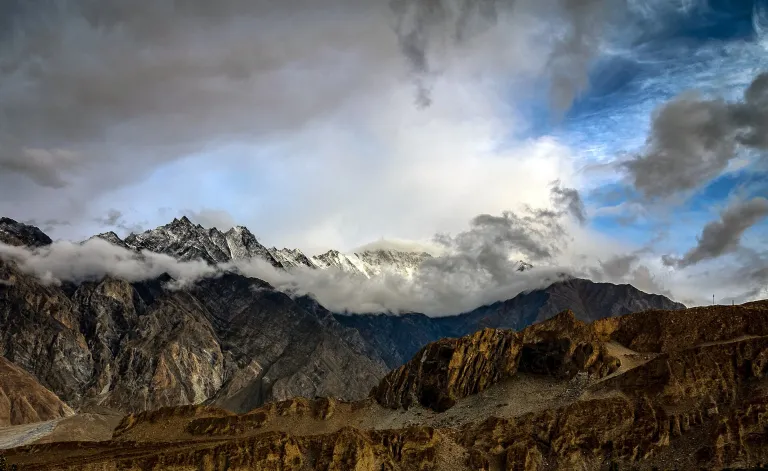 Passu and GojalPassu and Gojal guide: Passu Cones, Batura and Passu glaciers, Hussaini bridge, Gulmit, Borith Lake
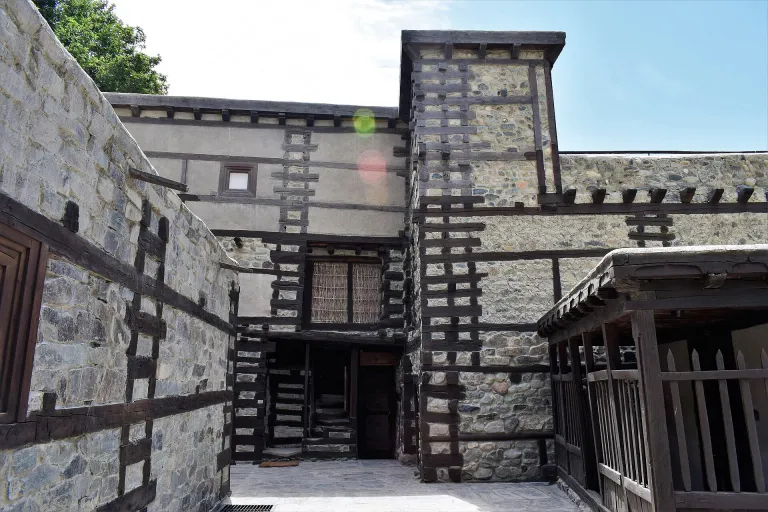 Shigar ValleyShigar Valley guide: Shigar Fort (Fong Khar), Amburiq Mosque, Sarfaranga cold desert, Blind Lake
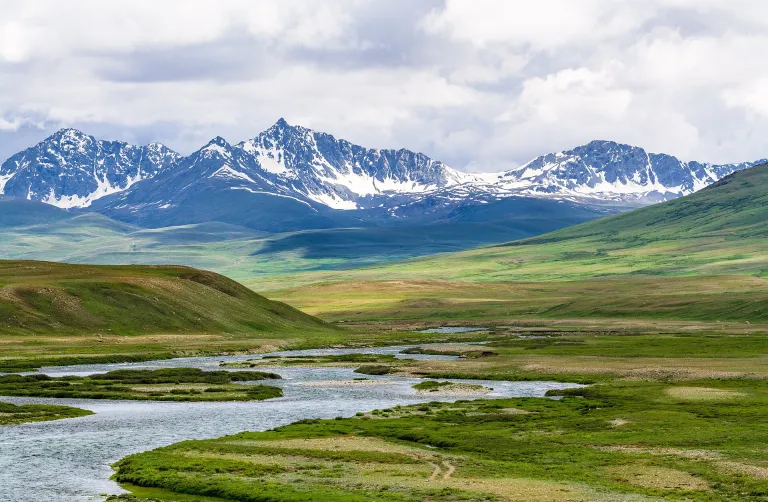 Deosai National ParkDeosai National Park guide: Himalayan brown bears, Sheosar Lake, Bara Pani, routes from Skardu and Astore
How we know this
- Type Practical guide
- Sources 10 (6 official/academic)
- Reviewed October 2026
- Disputed points None
Rules and fees change, confirm with the official links below before you act.
10 sources
- Altitude sickness, NHS 111 Wales
- Pakistan travel advice: Regional risks, UK Foreign, Commonwealth & Development Office
- Karimabad Valley, Tourism Department, Government of Gilgit-Baltistan (e-Tourism portal)
- Deosai National Park, Gilgit-Baltistan Tourism e-portal
- District Skardu, Tourism Department, Government of Gilgit-Baltistan
- Shigar Fort, Gilgit-Baltistan Tourism e-portal
- Attabad Lake, Tourism Department, Government of Gilgit-Baltistan
- Gojal: Where Pakistan begins, Dawn
- Khunjerab Pass opens for 14 days for trade, Dawn
- Baltit Fort – Tentative List, UNESCO World Heritage Centre
Photo credits (6)
- Autumn color in Hunza Valley.jpg, Ghazi Ghulamraza, CC BY-SA 3.0, via Wikimedia Commons
- Skardu Valley (Aerial View).jpg, Khankayani512, CC BY-SA 4.0, via Wikimedia Commons
- Katpana Desert at Skardu, Gilgit-Baltistan in Pakistan-2015.jpg, Muhammad Rizwan Shaikh, CC BY-SA 4.0, via Wikimedia Commons
- Deosai Plains - Zain.jpg, Syed Muhammad Zain, CC BY-SA 4.0, via Wikimedia Commons
- Baltit Fort, Karimabad, Hunza, Gilgit Baltistan.jpg, Fassifarooq, CC BY-SA 4.0, via Wikimedia Commons
- Passu Cones and the Hunza River.jpg, Aly Ahmad1991, CC BY-SA 4.0, via Wikimedia Commons
