
Education
Universities in Pakistan: Choosing WellVerifying First
From colonial-era colleges in Lahore to new campuses in Gwadar and Skardu: how Pakistan's universities are organised, who recognises them, and how to check a degree before you trust it.
- Regulator: Higher Education Commission (HEC)
- 163 public · 115 private universities (PES 2025-26)
- Check recognition before you enrol
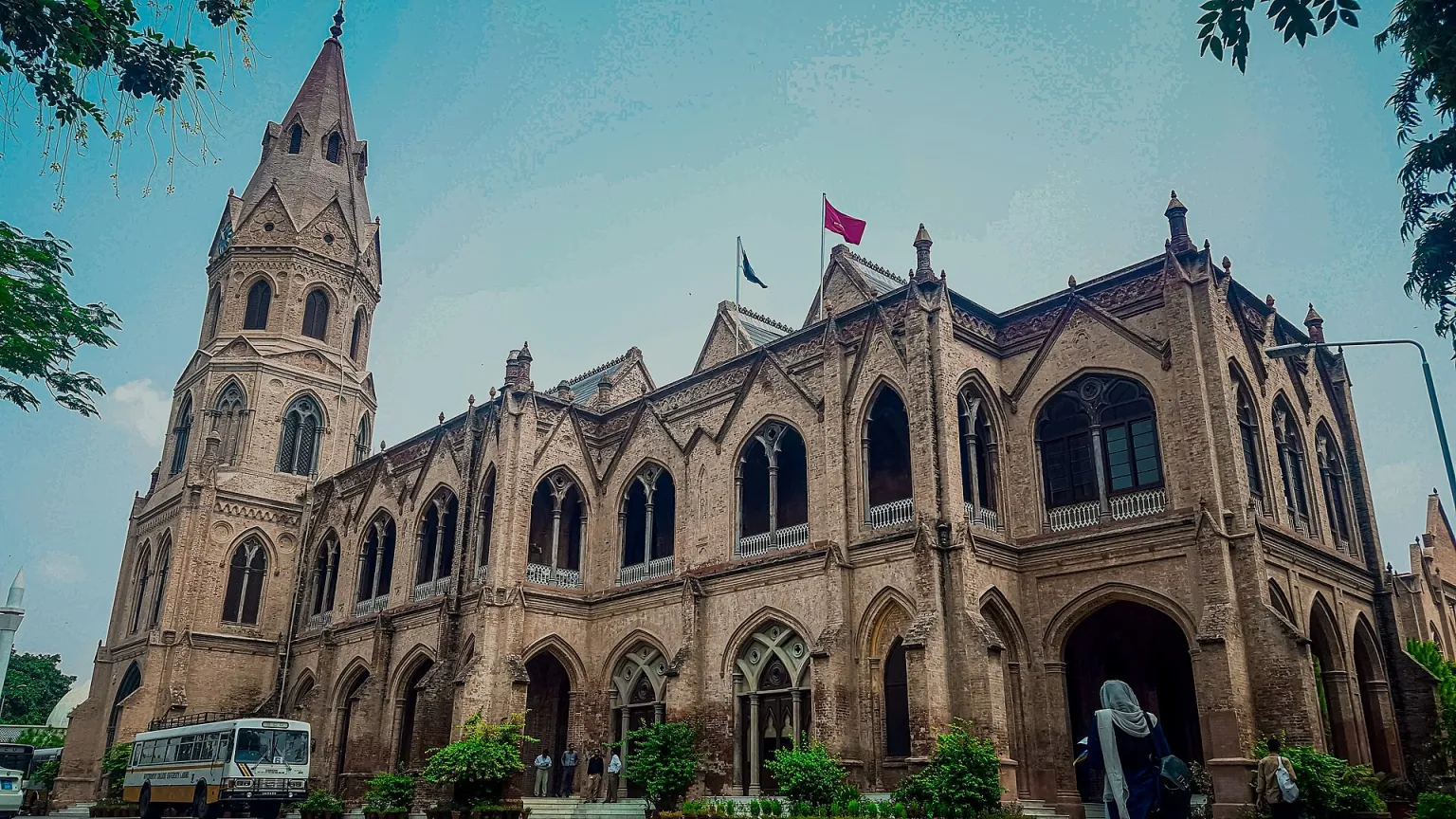
Government College University, Lahore
Pakistan's University Landscape
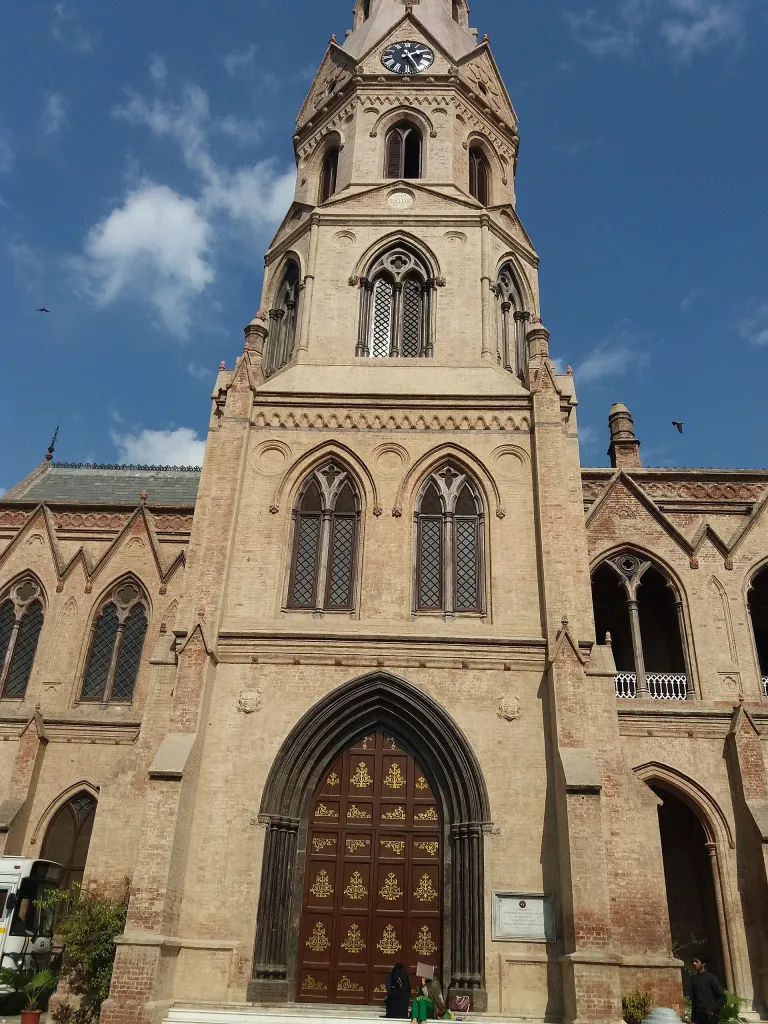
Higher education in Pakistan is large, uneven and growing fast. According to the Pakistan Economic Survey 2025-26, the country has 163 public-sector and 115 private-sector universities and degree-awarding institutions (DAIs). They range from venerable institutions such as the University of the Punjab and Government College University in Lahore, both founded in the nineteenth century, to small specialist universities opened in district towns within the last decade.
The national regulator is the Higher Education Commission (HEC), based in Islamabad. HEC recognises universities and their campuses, sets minimum standards for degree programmes, funds public universities, runs national scholarship schemes and attests degrees. Provincial higher education departments and commissions also play a role, particularly in Punjab and Sindh, and professional councils, such as the Pakistan Medical and Dental Council (PM&DC) for medicine and the Pakistan Engineering Council (PEC) for engineering, separately accredit programmes in their fields.
The practical lesson for students and parents is simple: a university's name is not proof of recognition. HEC recognises specific institutions and specific campuses; a sub-campus or affiliated college may be outside that list, and some campuses have had admissions stopped. Checking takes minutes on HEC's website and can save years of wasted study.
Notable Private Universities
Private institutions must also be chartered and HEC-recognised. Fees are generally much higher than in the public sector.
What HEC Recognition Means
HEC maintains public lists of recognised universities and DAIs, recognised campuses, and foreign collaboration institutes. Recognition is granted to an institution and to named campuses, not automatically to every building that carries the university's name. HEC's campus list in October 2026 showed 96 recognised sub-campuses of public-sector universities and 54 of private-sector institutions, many with conditions attached.
Those conditions matter. The campus list records, for example, sub-campuses where admissions have been stopped, campuses valid only up to a stated date, campuses that were upgraded into separate universities, and campuses allowed to run only certain programmes. A degree from a campus that was not recognised at the time you studied may not be attested by HEC, which can block government jobs, further study and visas.
Professional programmes need a second check
For regulated professions, HEC recognition of the university is necessary but not sufficient. MBBS and BDS programmes must also be recognised by the medical and dental regulator, engineering degrees by the Pakistan Engineering Council, and similar councils exist for pharmacy, nursing, law and other fields. Always check that the specific programme, at the specific campus, is accredited for your intake year.
Affiliated colleges
Many students study at colleges affiliated with a university rather than on the university's own campus. HEC's guidance is to choose only HEC-recognised universities, affiliated colleges and DAIs; confirm the affiliation directly with the parent university's affiliation or registrar's office.
How to Verify a University Before You Enrol
- 1
Find the institution on HEC's list
Open HEC's Recognised Universities page (hec.gov.pk → Universities → Recognised Universities) and search for the exact name. Note the province shown, some names are similar.
- 2
Check the campus, not just the university
If you will study at a sub-campus, open HEC's Recognised Campuses page and confirm your city is listed, with no 'admissions stopped' note and a validity date that covers your whole degree.
- 3
Confirm the programme's professional accreditation
For medicine, dentistry, engineering, pharmacy, nursing, law and similar degrees, check the relevant council's list of accredited programmes and intake years.
- 4
For affiliated colleges, ask the parent university
Get the affiliation confirmed in writing by the parent university, including the programme and session covered.
- 5
Be wary of 'degree in months' offers
Unrealistically short programmes, institutions missing from HEC lists, or foreign-sounding names operating locally without HEC's foreign-collaboration approval are red flags.
Attesting Your Degree with HEC
HEC attestation is commonly required for government jobs, foreign study and overseas employment. The process is fully online.
- 1
Create an account on HEC eServices
Sign up at eservices.hec.gov.pk and complete your profile, then choose 'Degree Attestation' from the dashboard menu.
- 2
Enter your degree details
Give the level, duration, degree title, campus or affiliated college, session and registration/roll number, and tick only the programme you need attested.
- 3
Select documents and upload scans
Choose the documents (degree, transcript, provisional certificate or HEC equivalence letter) and upload clear scans along with both sides of your CNIC.
- 4
Pay the fee
The portal generates a consumer number for payment. HEC listed the fee as Rs 3,000 per document, confirm the current fee on the portal before paying.
- 5
Receive the e-Attestation Certificate
Once the university verifies your record, HEC issues an electronic attestation certificate. Employers can check status through HEC's Degree Verification Status link.
Foreign Degrees and Equivalence
HEC does not attest degrees awarded by foreign universities. Instead it issues an equivalence letter for a foreign qualification, and that letter can then be attested through the same eServices portal. Apply for equivalence first if you studied abroad and need your qualification recognised in Pakistan.
Choosing a University: Practical Pointers
- Start with the programme, then the institution: a strong department at a mid-sized university can beat a weak one at a famous name.
- Compare total cost, tuition, hostel, transport and exam fees, not just the advertised semester fee.
- Ask about the faculty: how many teachers in your department hold PhDs, and how many are permanent rather than visiting.
- Check entry requirements early; many universities and professional programmes require an entry test in addition to intermediate marks.
- Look up scholarship and fee-waiver options before you accept an offer; need-based awards are usually routed through the university's financial aid office.
- Treat published rankings with care and always check the year and methodology. HEC publishes its own ranking information on its website.
Frequently Asked Questions
How many universities are there in Pakistan?
The Pakistan Economic Survey 2025-26 lists 163 public-sector and 115 private-sector universities and degree-awarding institutions. Numbers change as new institutions are chartered, so check HEC's recognised list for the current position.
How do I know if a university is recognised by HEC?
Search the institution on HEC's Recognised Universities page, then check the Recognised Campuses page if you will study at a sub-campus. Look for notes such as 'admissions stopped' or a validity end date.
Can HEC attest a degree from a foreign university?
No. HEC issues an equivalence letter for foreign qualifications, and only that equivalence letter is attested through the eServices portal.
Do I need to visit HEC in person for attestation?
HEC describes its degree attestation system as fully online and paperless, with applications accepted through eservices.hec.gov.pk at any time. Check the portal for current instructions.
Is a private university degree valued the same as a public one?
Both are valid if the institution, campus and programme are recognised. Employers and graduate schools tend to judge the specific institution and programme rather than the sector.
Keep Exploring
Related places and stories on DailyLife.pk
 LahoreLahore travel guide: Badshahi Mosque, Lahore Fort, Shalimar Gardens, the Walled City, food streets, neighbourhoods, metro
 IslamabadIslamabad travel guide: Faisal Mosque, Pakistan Monument, Margalla Hills trails, Saidpur, markets, sectors, Metrobus
 KarachiKarachi travel guide: Mazar-e-Quaid, Mohatta Palace, Clifton, Burns Road, bazaars, neighbourhoods, Green Line BRT
 Scholarships for Pakistani StudentsScholarships for Pakistani students: HEC need-based, BISP undergraduate, PEEF and SEEF, plus Fulbright, Chevening
How we know this
- Type Practical guide
- Sources 7 (7 official/academic)
- Reviewed October 2026
- Disputed points None
Rules and fees change, confirm with the official links below before you act.
7 sources
- Recognised Universities, Higher Education Commission Pakistan
- HEC Recognized Campuses, Higher Education Commission Pakistan
- Attestation of Degrees/Diplomas/Certificates, Higher Education Commission Pakistan
- Degree Verification Status, Higher Education Commission Pakistan
- HEC E-Services Portal, Higher Education Commission Pakistan
- HEC home page (University information, rankings, foreign collaboration institutes), Higher Education Commission Pakistan
- Highlights of the Pakistan Economic Survey 2025-26, Finance Division, Government of Pakistan
Photo credits (4)
- Government College University, Lahore - Clock tower and main building.jpg, Shahzaib Damn Cruze, CC BY-SA 4.0, via Wikimedia Commons
- Clock tower of Government College University, Lahore.jpg, Xona14, CC BY-SA 4.0, via Wikimedia Commons
- Bukhari lawn - Government College University, Lahore.jpg, Arham abtahi, CC BY-SA 3.0, via Wikimedia Commons
- Night View of Badshahi Mosque (King’s Mosque).jpg, Muhammad Ashar, CC BY-SA 3.0, via Wikimedia Commons
