
Itinerary
Swat and Kalam: Weekend and Week
From Buddhist ruins in lower Swat to deodar forests and alpine lakes above Kalam: a two-night lower-valley weekend, a four-night Kalam trip and a full week, with seasons and advisories up front.
- Swat, Khyber Pakhtunkhwa
- May to October for the upper valley
- Read the advisories before booking
Kalam, Upper Swat
Read this first: advisories and permission
Swat is a favourite summer destination for Pakistani families, but government advice for foreign nationals is cautious. The UK government's regional-risks page, read on 24 October 2026, advises against all travel to Swat, to the N-45 from Mardan to the edge of Chitral, to Upper and Lower Dir and to Buner, and against all but essential travel to Malakand and Shangla. The US State Department advises its citizens not to travel to Khyber Pakhtunkhwa. Travelling against advice can invalidate insurance.
Pakistani citizens need a CNIC at checkpoints. APP reported in July 2025 that the Khyber Pakhtunkhwa Tourism Department launched an online No Objection Certificate (NOC) system for foreign tourists; requirements change, so confirm with the Khyber Pakhtunkhwa Culture and Tourism Authority. If you go, use a licensed local operator, share your itinerary with someone at home and check local authority guidance every day. Nothing on this page replaces your own government's advice.
Choosing a Swat itinerary
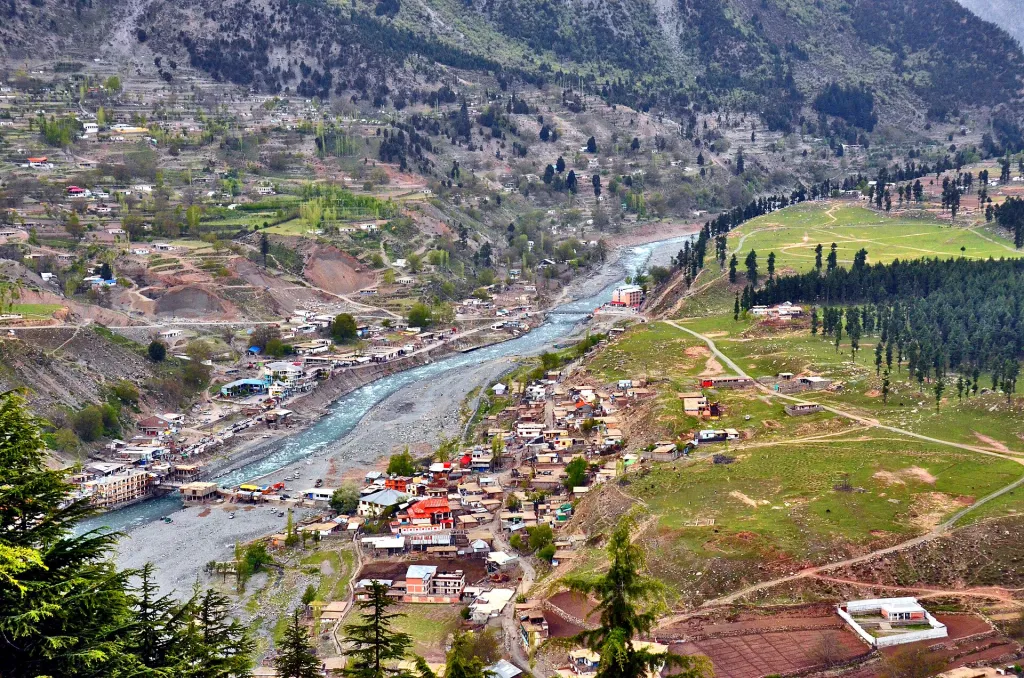
Swat is long and narrow: a river valley that changes character every few dozen kilometres. The lower valley around Mingora and Saidu Sharif is the historic Udyana of Buddhist texts, with the Swat Museum and the great Butkara I stupa. Beyond Madyan and Bahrain the valley tightens into fir and deodar country, and at Kalam the Ushu and Gabral streams meet to form the Swat River. Jeep tracks climb from there to Ushu forest, Matiltan and Mahodand Lake.
That geography decides how much you can do. A weekend (two nights) fits the lower valley and Malam Jabba, or a push to Kalam only if roads are open and you accept long driving days. Four nights is the realistic minimum for Kalam and the lakes. A week lets you add Utror and Gabral, Swat Museum time and buffer days for weather. The N-95 runs about 133 km from Chakdara to Kalam, and Kalam is about 99 km beyond Mingora. Journey times vary widely with floods, repairs and traffic; allow plenty of time and check route conditions with your hotel or driver the day before.
Administratively, Swat was divided into two districts in January 2026, with the new Upper Swat district headquartered at Matta and including the Bahrain and Khwazakhela tehsils; older maps, signage and tour operators may still use the single Swat name.
The plans at a glance
| Plan | Nights | Base(s) | Focus | Main risk |
|---|---|---|---|---|
| Weekend | 2 | Mingora or Madyan | Swat Museum, Butkara I, Malam Jabba, a riverside afternoon | Road and weather delays on the return |
| Long weekend | 3-4 | Madyan or Bahrain, then Kalam | Kalam, Ushu forest and Matiltan; Mahodand if conditions allow | Damaged road sections above Bahrain |
| One week | 6 | Mingora, Kalam (3 nights) | Heritage, Ushu, Mahodand, Utror or Gabral, Malam Jabba | Needs buffer days; flood season |
No costs are quoted. Jeep rates, hotel prices and entry fees are set locally and change with season.
Weekend plan: lower Swat (2 nights)
Best from spring to autumn. In winter, Malam Jabba is a snow destination.
- 1
Day 1: Into the valley
From Islamabad or Peshawar the M-1 leads to the Swat Motorway, which branches off at the Karnal Sher Khan interchange, and on to Chakdara. Journey time varies with checkpoints and traffic; do not plan to arrive after dark. Check in at Mingora or a riverside hotel set well back from the bank.
- 2
Day 2, morning: Swat Museum and Butkara I
On the road between Mingora and Saidu Sharif, the Swat Museum's 3,000-plus objects include Gandharan reliefs arranged to tell the life of the Buddha, plus local embroidery, jewellery and carved woodwork; it reopened in a new building in 2014. The Butkara I stupa near Mingora was founded around the 2nd century BCE and excavated by the Italian mission from 1956.
- 3
Day 2, afternoon: Malam Jabba
Pakistan's best-known ski area sits on a ridge east of Saidu Sharif, rebuilt after 2008 with a chairlift. In summer it is a cool viewpoint; in winter, snow and road conditions decide whether you can go. Check before setting out.
- 4
Day 3: Return
Start early to leave a margin for landslide or flood delays. If the valley is wet, shorten the day rather than racing the light.
One-week plan: Mingora to Kalam and back
Rest and buffer are built in. Treat Day 6 as a spare if weather or roads cause trouble earlier.
- 1
Day 1: Islamabad to Mingora
Drive via the M-1 and the Swat Motorway to Chakdara, then up the N-95. Allow most of the day and arrive before dark.
- 2
Day 2: Heritage in lower Swat
Swat Museum, Butkara I, and with time the sites of Barikot and Udegram that Italian archaeologists have excavated since 1955. Rest in the afternoon; the next days are long.
- 3
Day 3: Mingora to Kalam
Follow the Swat River through Madyan and Bahrain to Kalam, about 99 km beyond Mingora. Sections between Bahrain and Kalam were badly damaged in the 2022 floods and repairs have taken years, so go slowly and expect delays. Kalam is at about 2,000 m; take it easy on arrival.
- 4
Day 4: Ushu forest and Matiltan
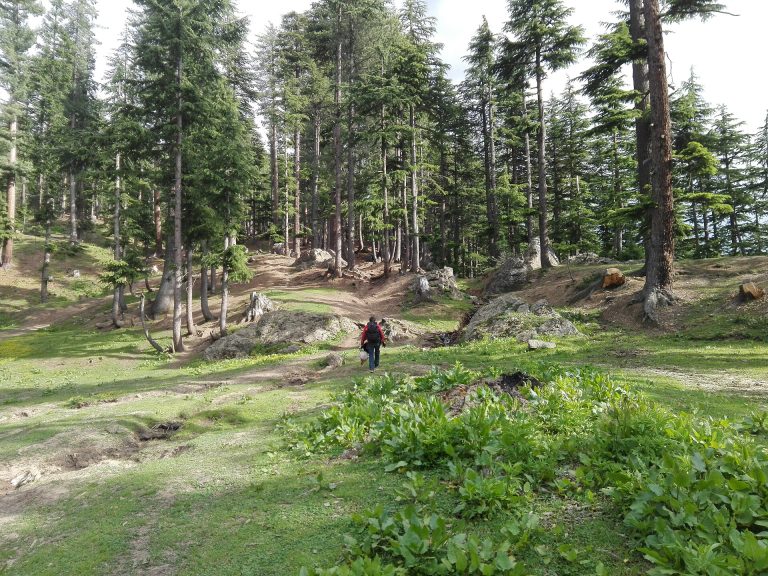
The road north of Kalam climbs through tall conifers to Ushu village, about 8 km away, and on to Matiltan, about 11 km from Kalam, below the snows of Falak Sar. Walk part of it; the forest is cool in July and August.
- 5
Day 5: Mahodand Lake
The classic jeep day: a forest-fringed lake at about 2,865 m, 35 to 40 km up the Ushu valley. A visitor reported about three hours by jeep from Kalam; times vary with track conditions. Go early, take layers and turn back if the weather closes in.
- 6
Day 6: Utror or Gabral (or spare day)
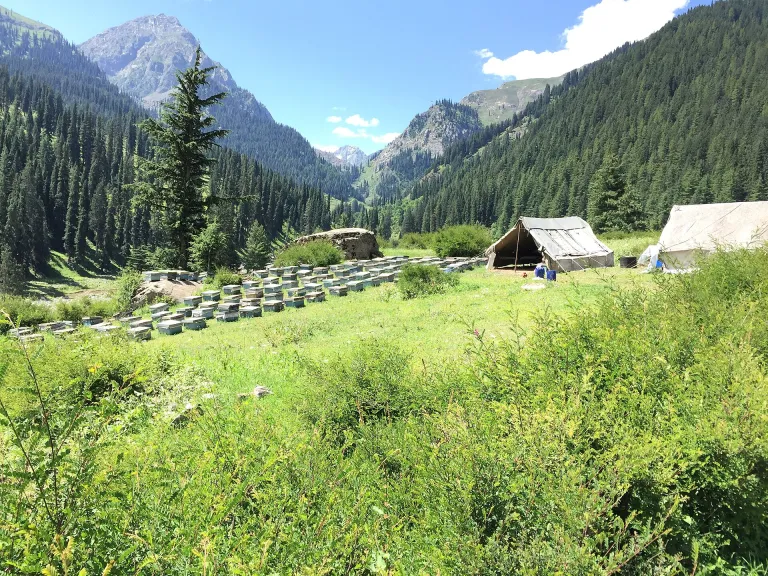
The western branch from Kalam leads into the Utror and Gabral valleys, with meadows, small lakes and wooden villages where Gawri (Kalami) is spoken. If earlier days slipped, use this as your buffer.
- 7
Day 7: Malam Jabba and return
Break the long drive back at the Malam Jabba viewpoints if time allows. Leave early.
Seasons and what closes
May to September
Main season
Jeep tracks to Mahodand and the side valleys are usually open. July and August bring crowds, rain and the risk of floods and landslides.
September to October
Quieter, clear
Autumn colour and thinner crowds; nights turn cold at altitude and some hotels close early in the season. Confirm your hotel is open.
December to February
Snow
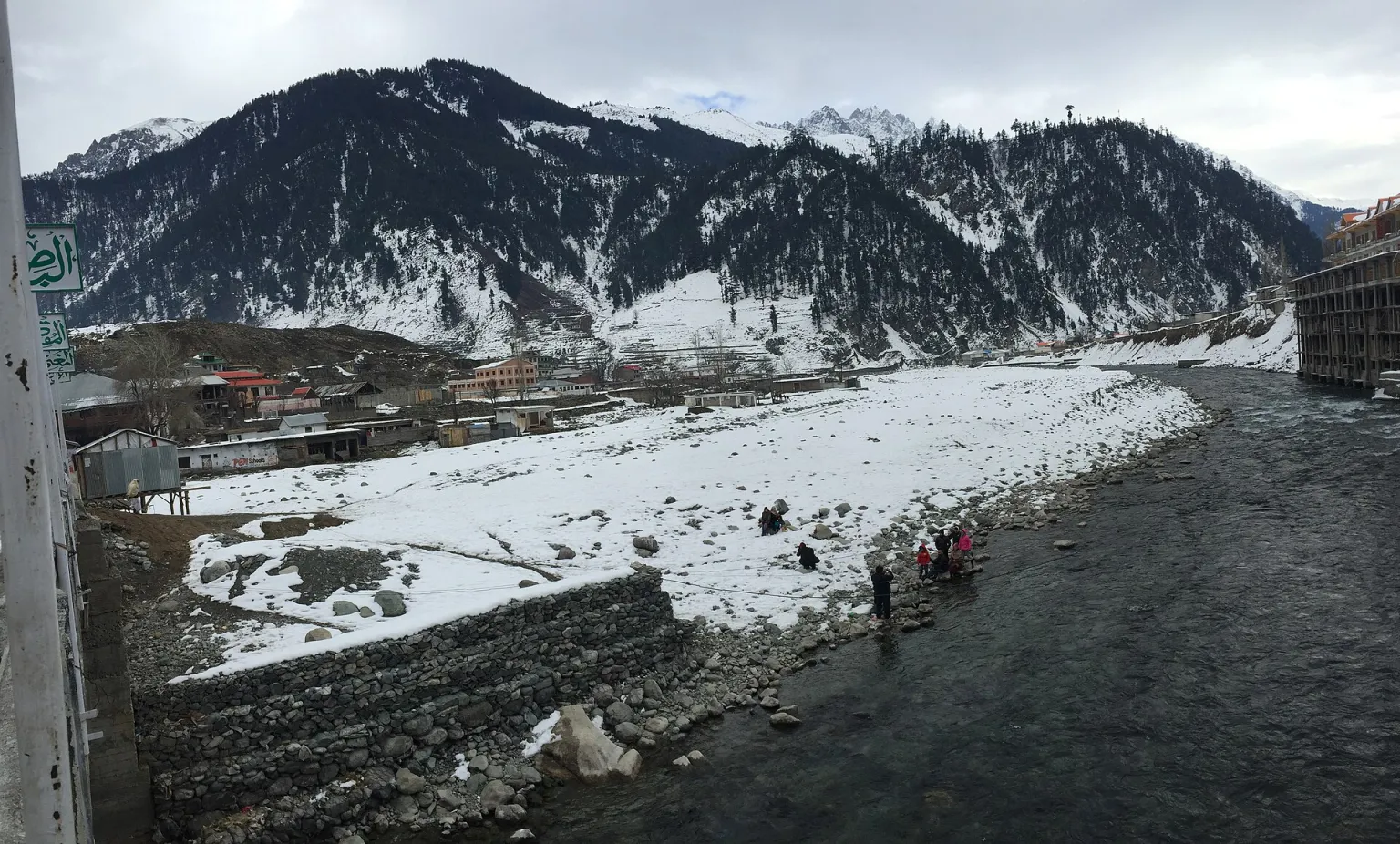
Snow at Malam Jabba and Kalam; expect road closures above Kalam and many hotels shut.
Monsoon (July-August)
Flood risk
Floods in 2010 and 2022 damaged Kalam and the road from Bahrain; government and media reports linked part of the damage to construction on the riverbed. Choose rooms away from the water and heed local warnings. See floods and monsoon safety.
Practical notes
Daylight and roads
Do not drive after dark
Landslides, rockfall and unlit hairpins make night driving risky. Plan arrivals before sunset, and start early in winter.
Etiquette
Conservative Pashtun valley
Dress modestly, ask before photographing people (especially women) and respect prayer times and family areas.
Food
Trout, chapli kebab
River and lake trout, chapli kebab, karahi and orchard fruit are common. Choose freshly cooked food.
What drives costs
Not quoted
Jeep hire to Mahodand, hotel location and season, and any guided help drive the budget; rates are set locally. We quote none here.

Frequently Asked Questions
Can I do Swat and Kalam in a weekend?
Lower Swat fits a weekend. Kalam is possible only if roads are open and you accept long driving days; four nights is more realistic.
Do foreign visitors need permission for Swat?
APP reported in July 2025 that KP Tourism launched an online NOC system for foreign tourists. Rules change, so confirm with the Khyber Pakhtunkhwa Culture and Tourism Authority.
When is Mahodand Lake accessible?
Usually from late spring to early autumn by jeep, depending on snow and track conditions; check locally.
Is Swat safe to visit?
Many Pakistani families visit each summer, but the UK government advises against all travel to Swat for its nationals and the US advises against travel to Khyber Pakhtunkhwa. Check your own government's advice.
Keep Exploring
Related places and stories on DailyLife.pk
 Swat ValleyPlan a trip to Swat Valley: Kalam, Mahodand Lake, Malam JabbaKalam and Ushu ForestKalam and Ushu Forest guide: Kalam town, Ushu, Matiltan, Falak Sar views, Utror and Gabral
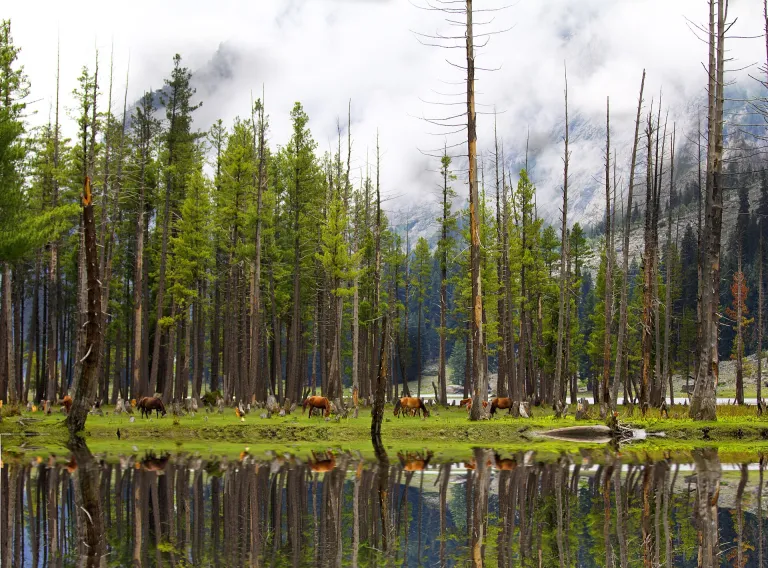 Mahodand LakeMahodand Lake guide: the jeep route from Kalam via Ushu and Matiltan, Falak Sar views, trout
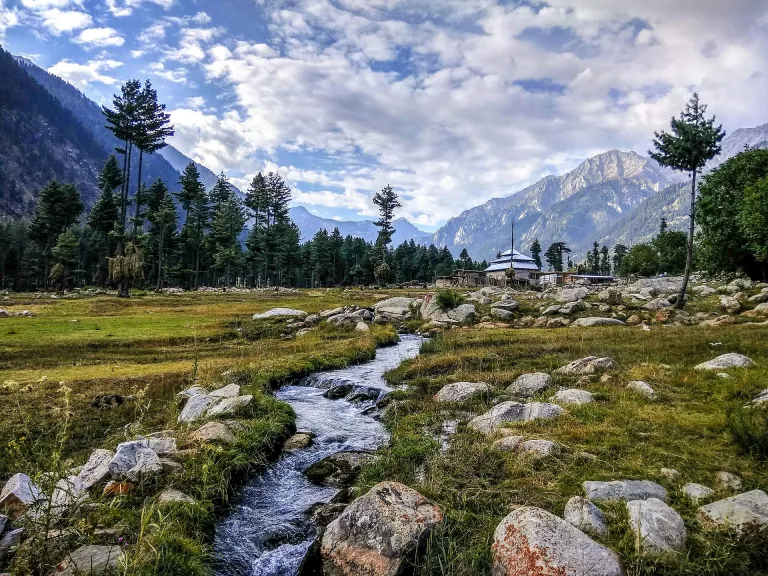 Kumrat ValleyKumrat Valley guide: Thal, the Panjkora River, Kala Chashma, Jahaz Banda and Katora Lake
 MingoraMingora city guide: Saidu Sharif, the Swat Museum, Butkara I, Fizagat and the White Palace, bazaars
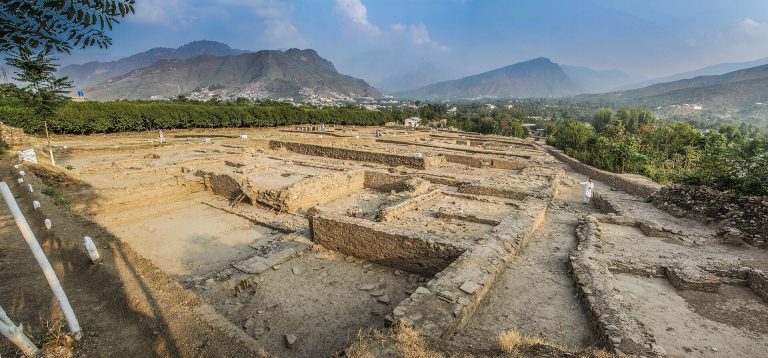 BarikotBarikot guide: excavations of ancient Bazira, Alexander's siege, the Indo-Greek city, Amluk Dara and Shingardar stupas
How we know this
- Type Practical guide
- Sources 14 (1 official/academic)
- Reviewed October 2026
- Disputed points None
Rules and fees change, confirm with the official links below before you act.
14 sources
- Pakistan travel advice: Regional risks, UK Foreign, Commonwealth & Development Office
- Pakistan Travel Advisory, U.S. Department of State
- KP Tourism Department launches online NOC system for foreign tourists, Associated Press of Pakistan
- Swat divided into two separate districts, Associated Press of Pakistan
- Work on flood-hit N-95 Kalam Road to begin within 90 days: NA told, Associated Press of Pakistan
- Swat Museum, Directorate of Archaeology & Museums, Government of Khyber Pakhtunkhwa
- Italian Archaeological Mission to Pakistan – MAIP, ISMEO
- Swat Motorway: A gateway to promoting tourism, PakWheels
- Butkara Stupa, Wikipedia (used to locate primary sources)
- Swat Valley, Wikipedia (used to locate primary sources)
- Malam Jabba, Wikipedia (used to locate primary sources)
- Embracing nature's splendor: Monsoon magic at Mahodand lake, Associated Press of Pakistan
- Mahodand Lake – A tribute to the majestic 'Switzerland of the East', The Express Tribune
- Khyber Pakhtunkhwa Culture & Tourism Authority, Government of Khyber Pakhtunkhwa
Photo credits (6)
- Panoramic shot of SWAT. the place is called KALAM.jpg, Syed ali025, CC BY-SA 4.0, via Wikimedia Commons
- Kalam town, Swat District, KPK (Pakistan).jpg, Muhammad Akram Attari, CC BY-SA 4.0, via Wikimedia Commons
- Utror Valley, Kalam Swat VAlley.jpg, [email protected], CC BY-SA 4.0, via Wikimedia Commons
- Deodar Cedar forest, Boyun Village, Kalam, Swat, Pakistan.jpg, Jawadqada, CC BY-SA 4.0, via Wikimedia Commons
- Mahodand Lake reflections.jpg, Naveed sadiq, CC BY-SA 4.0, via Wikimedia Commons
- Malam jabba, Swat, Pakistan.jpg, Usmanghani242, CC BY-SA 4.0, via Wikimedia Commons
