
Travel destination
Lal Suhanra: DesertForest and Wetland
One of Pakistan's two UNESCO-approved biosphere reserves, where the edge of Cholistan meets irrigated plantations, thorn forest and the reed beds of Patisar Lake.
- Bahawalpur District, Punjab
- UNESCO-approved biosphere reserve
- Best season November to March
Lal Suhanra National Park, Bahawalpur District
About Lal Suhanra
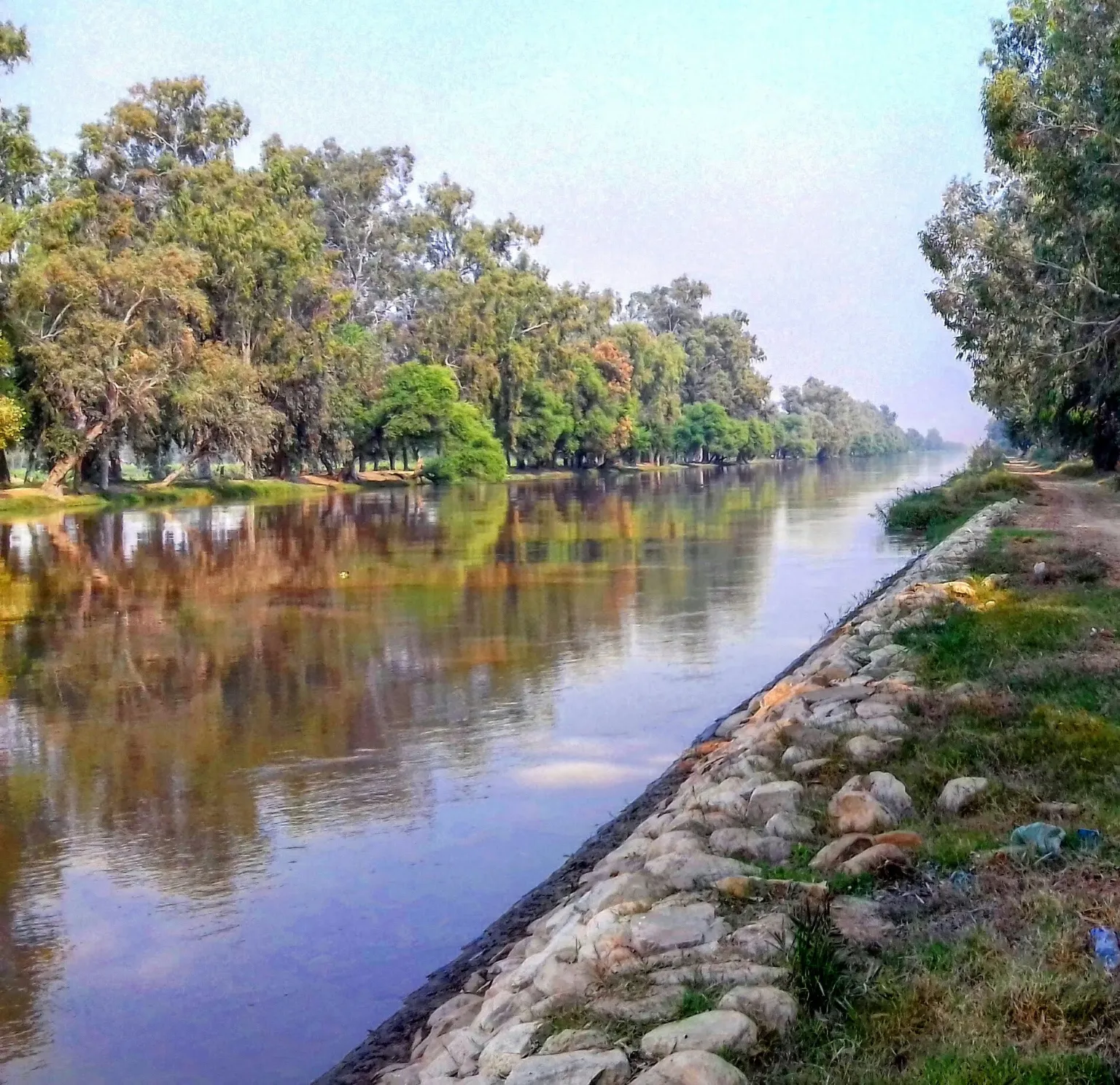
Lal Suhanra lies on the northern fringe of the Cholistan Desert, in Bahawalpur District. It was established as a national park in 1972 and, according to the Punjab Wildlife & Parks Department, now covers 162,568 acres, which works out at roughly 658 square kilometres. Wikipedia places the park about 35 km east of Bahawalpur city.
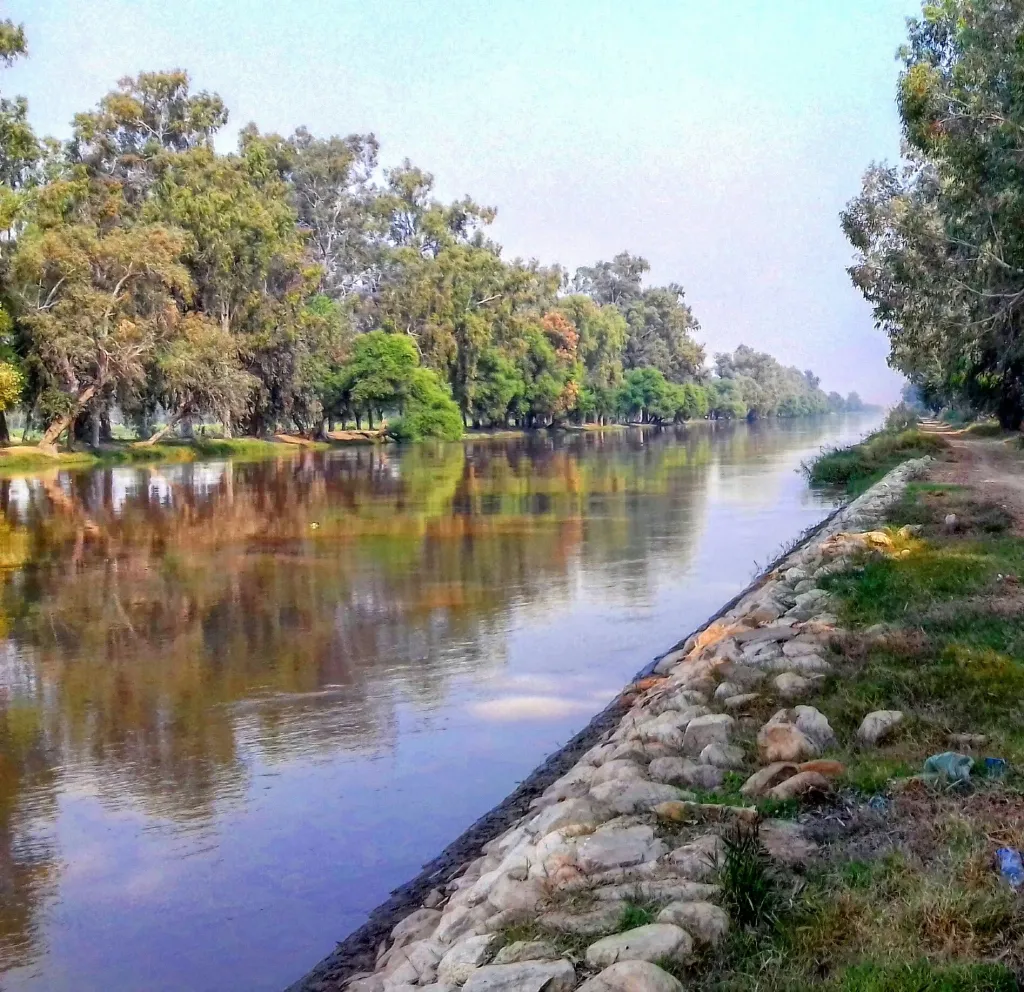
What makes the park unusual is the mix of habitats packed into one flat landscape. Pakistan's biosphere-reserve listing describes the area as arid and mostly level, with dunes up to about four metres high, the dry bed of the old Hakra river, irrigated land and plantations, sub-tropical thorn forest, and Patisar Lake, a former wetland used by wintering waterfowl and now dominated by reed beds. The Pakistan National Committee for UNESCO's MAB programme lists Lal Suhanra among the country's UNESCO-approved biosphere reserves, the other being the Ziarat juniper forest.
The wildlife list is long. The park authority names blackbuck, chinkara, nilgai, sambhar and rhesus macaque among its mammals and counts about 300 bird species, 50 mammal species and 25 reptile species, plus more than 200 kinds of trees and shrubs. Species totals vary between sources, so treat them as indicative. Because the reserve combines visitor areas with conservation zones, it is best seen as a wildlife trip rather than a theme park: go early, move quietly and follow the rangers.
What to See and Do
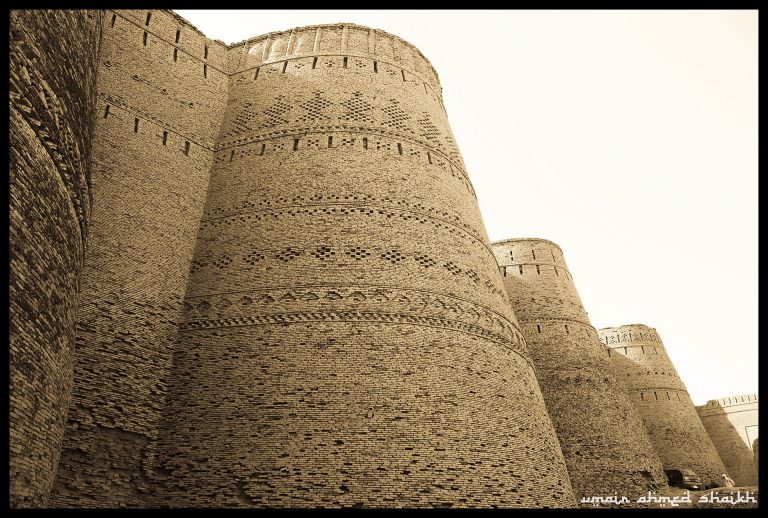 Cholistan Desert beyondThe park sits on the edge of Cholistan; see our guide before planning desert travel.
Plan Your Trip
Best Time to Visit
November to March
Summers are punishingly hot. Cooler months are best for animals and for waterfowl.
Opening Hours
Confirm locally
The Punjab Wildlife & Parks Department's page lists daily hours of 9:00 to 17:00, but this can change by season and event. Confirm before travel.
Tickets
Not published
The authority's page shows an online ticket link but no price on the page we read. Confirm tickets and any vehicle rules with the department or on site.
How to Reach
Via Bahawalpur
Lal Suhanra lies roughly 35 km east of Bahawalpur city. Hire a car from the city and check local road conditions after rain.
Where to Stay
Bahawalpur
Hotels are in the city; there is no need for a long overnight in the park itself unless official rest-house arrangements are confirmed.
Rules
Follow the rangers
Stay on marked tracks, keep your distance from animals and ask before entering desert areas outside the visitor zones.
Suggested Day Visit
- 1
Check with the department
Confirm opening hours, tickets and whether guided excursions are running that day.
- 2
Leave Bahawalpur early
Early morning and late afternoon are the best light and the best times to see wildlife.
- 3
Slow drive and walk
Follow the visitor routes to the animal areas, then to the wetland edge.
- 4
Midday break
Rest in the shade or return to Bahawalpur during the hottest hours.
- 5
Afternoon return
Combine with Noor Mahal or the museum in the city before dusk.
Visit Responsibly
- Never feed or chase animals; keep noise and drone use to a minimum.
- Carry out all litter; plastic harms both wildlife and wetland.
- Do not leave marked routes, especially near Patisar Lake and in breeding areas.
- Carry plenty of water; heat and wind-blown sand are real risks in the dry months.
- Check current advisories and local authority guidance, and get permission for desert travel beyond the park.
Frequently Asked Questions
Is Lal Suhanra a UNESCO site?
Lal Suhanra is described by Pakistan's UNESCO national committee as a UNESCO-approved biosphere reserve, one of two in the country. It is not a World Heritage Site.
How big is Lal Suhanra National Park?
The Punjab Wildlife & Parks Department gives 162,568 acres, about 658 square kilometres.
What animals can I see?
The park authority lists blackbuck, chinkara, nilgai, sambhar and rhesus macaque among its mammals, plus around 300 bird species. Sightings are never guaranteed.
What are the opening hours?
The authority's page lists 9:00 to 17:00, but hours can change. Confirm locally.
When is the best time to visit?
November to March, when temperatures are tolerable and winter birds are present.
Keep Exploring
Related places and stories on DailyLife.pk
 Cholistan DesertCholistan Desert guide: Derawar Fort and the desert forts, the Cholistan Desert Rally, Channan Pir
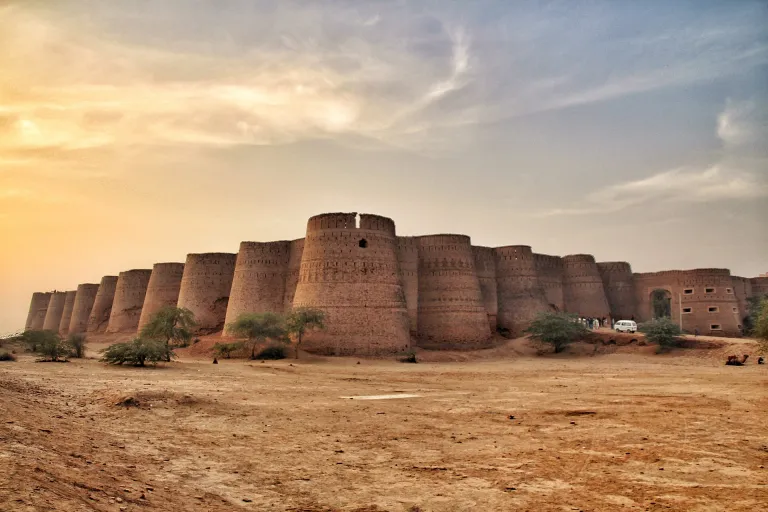 Derawar FortPlan a Derawar Fort trip in Cholistan: its history, forty bastions, Abbasi mosque and royal graveyard
 Noor Mahal and the Palaces of BahawalpurVisit Noor Mahal in Bahawalpur: history, architecture, the nawabs' other palaces (Darbar Mahal, Gulzar Mahal)BahawalpurBahawalpur city guide: Noor Mahal, Darbar Mahal, Central Library, Lal Suhanra National Park, Derawar Fort
 National Parks of PakistanGuide to Pakistan's national parks: Central Karakoram, Deosai, Khunjerab, Hingol, Margalla Hills, Lal Suhanra and more
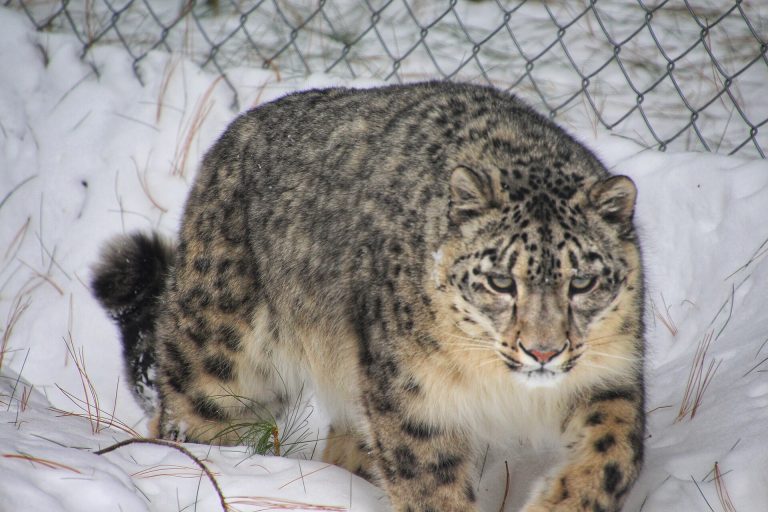 Wildlife of PakistanPakistan's wildlife: markhor (national animal), snow leopard, Indus river dolphin, Himalayan brown bear, ibex
How we know this
- Type Travel guide
- Sources 3 (1 official/academic)
- Reviewed October 2026
- Disputed points None
Rules and fees change, confirm with the official links below before you act.
3 sources
- Lal Suhanra National Park, Punjab Wildlife & Parks Department
- UNESCO's Approved Biosphere Reserves in Pakistan, Pakistan National Commission for UNESCO
- Lal Suhanra National Park, Wikipedia
Photo credits (6)
- Lal suhanra canal, Punjab.jpg, Zaeem.qureshi786, CC BY-SA 4.0, via Wikimedia Commons
- Derawar Fort, Cholistan, Punjab.jpg, Umasha79, CC BY 4.0, via Wikimedia Commons
- Derawar Fort, Cholistan, Bahawalpur.jpg, Umar Jamshaid, CC BY-SA 4.0, via Wikimedia Commons
- Front Elevation of Noor Mahal.jpg, Muhammad Ashar, CC BY-SA 3.0, via Wikimedia Commons
- Cholistan camels.jpg, Hamza Bin Asim, CC BY-SA 4.0, via Wikimedia Commons
- Snow Leopard In Naltar Gilgit.jpg, Nazir Baig, CC BY-SA 4.0, via Wikimedia Commons
