
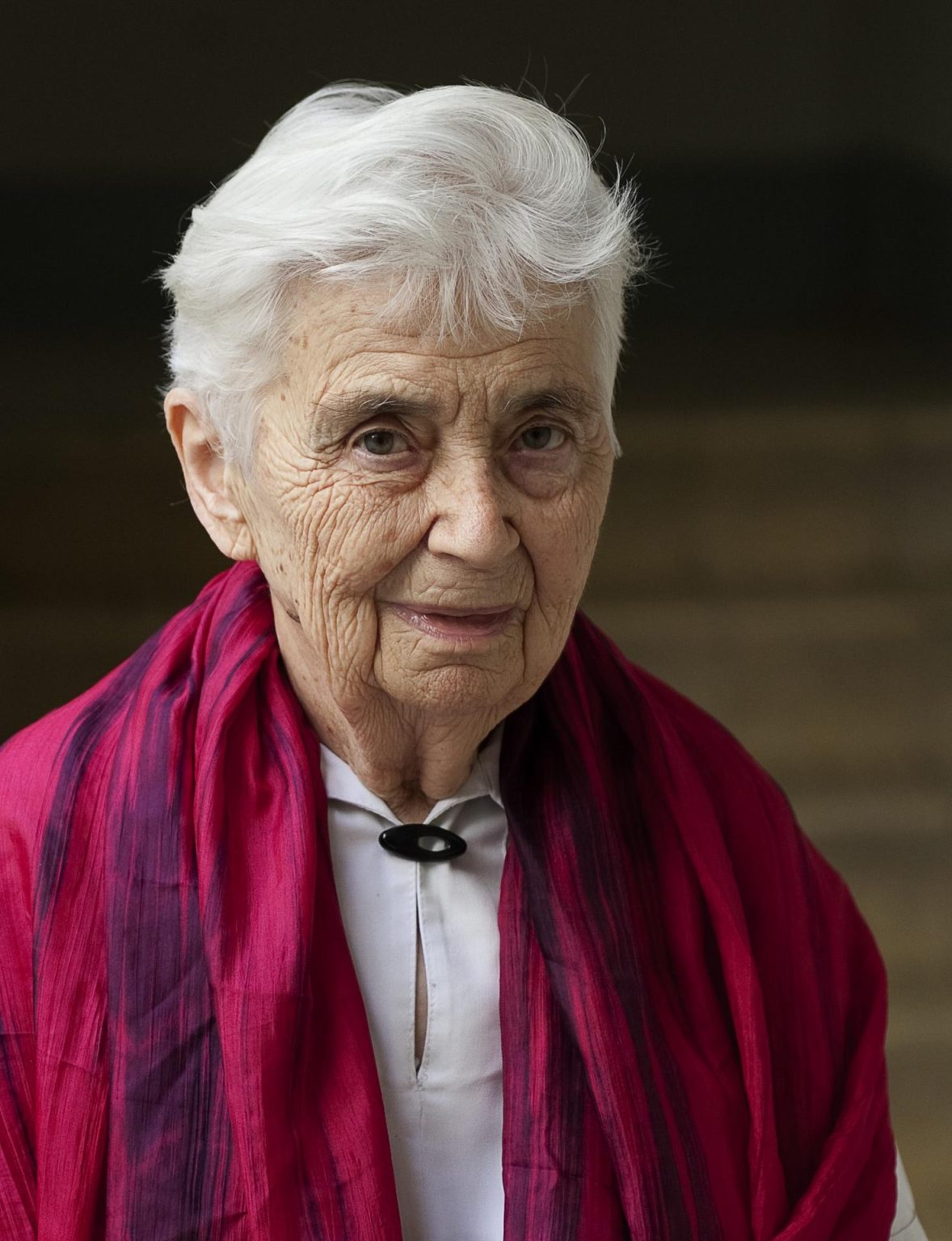
People
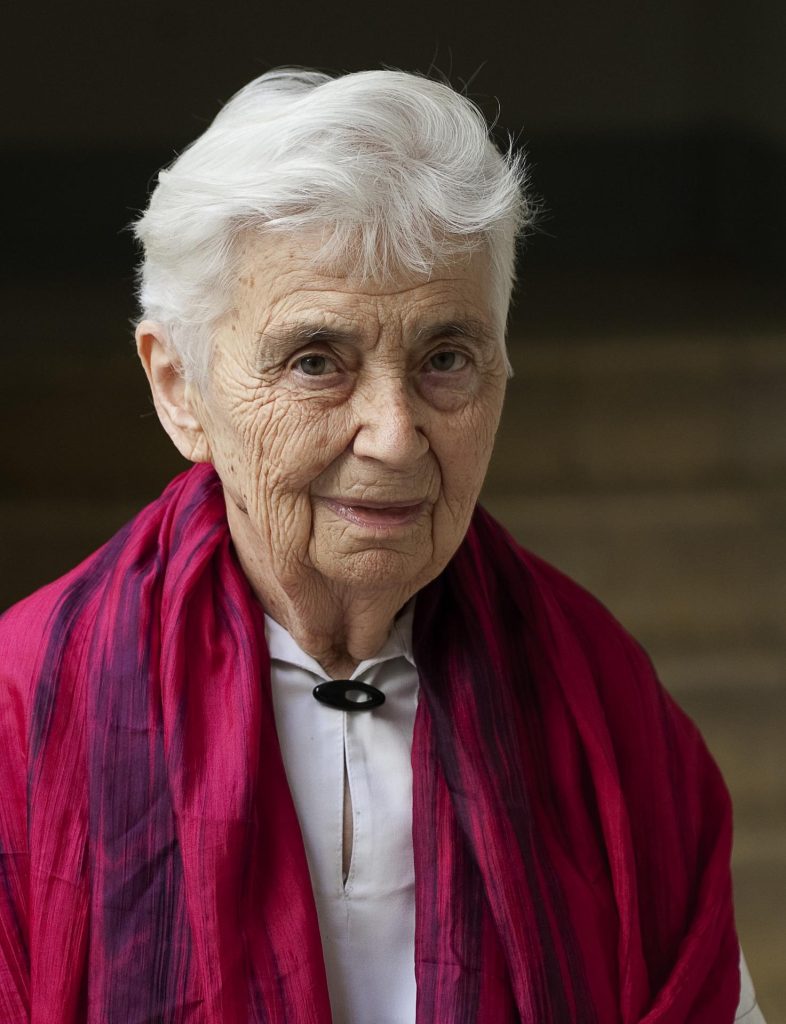
Dr Ruth Pfau: The Doctor Who Helped Pakistan Control Leprosy
A German doctor and nun who stopped in Karachi in 1960, stayed for almost six decades and built the leprosy programme that helped Pakistan become one of the first Asian countries declared to have controlled the disease.
- 1929–2017
- Leprosy doctor
- Karachi from 1960
About Ruth Pfau
Ruth Pfau was born in Leipzig, Germany, in 1929. She studied medicine in Mainz and Marburg in the 1950s and joined the Catholic order of the Daughters of the Heart of Mary. In 1960, on her way to a posting in India, visa problems left her in Karachi; there she visited a leprosy colony behind McLeod Road and decided to stay.
From a rough dispensary in a slum she built the Marie Adelaide Leprosy Centre (MALC), Pakistan's first hospital dedicated to leprosy, and then a national network of treatment centres. In 1968 she invited the government to create a National Leprosy Control Programme in partnership with MALC, and from 1979 she served as federal adviser on leprosy. In 1996 the World Health Organization declared leprosy controlled in Pakistan, one of the first countries in Asia to reach that goal.
Known in Pakistan as the country's 'Mother Teresa', she became a Pakistani citizen in 1988 and worked until her death in Karachi in 2017, when she was given a state funeral.
Life at a Glance
9 September 1929
Born in Leipzig
Born in Leipzig, Germany; lives through the Second World War as a girl.
1950s
Medicine and vocation
Studies medicine at Mainz and Marburg; joins the Daughters of the Heart of Mary in 1957.
1960
Stops in Karachi
Delayed in Karachi by visa problems, she begins working with leprosy patients; she trains further at Vellore in 1961 and returns to Karachi.
1960s
MALC grows
The dispensary moves into a proper hospital building and becomes the Marie Adelaide Leprosy Centre.
1968
National programme
Invites the government of Pakistan to create a National Leprosy Control Programme in partnership with MALC.
1979
Federal adviser
Appointed Federal Advisor on Leprosy to the Ministry of Health; awarded the Hilal-e-Imtiaz.
1988–1989
Pakistani citizen
Granted Pakistani citizenship in 1988 and the Hilal-e-Pakistan in 1989.
1996
Leprosy controlled
The WHO declares leprosy controlled in Pakistan.
2002
Magsaysay Award
Receives the Ramon Magsaysay Award for Public Service.
10 August 2017
Death
Dies at the Aga Khan University Hospital, Karachi, aged 87; state funeral at St Patrick's Cathedral on 19 August and burial at Gora Qabristan.
Defeating Leprosy
Pfau's achievement was to turn a charitable clinic into a public-health system. MALC treated patients free of charge and built a national network of leprosy control centres; she also travelled into Afghanistan to reach patients. With multidrug therapy introduced in 1984, the numbers fell steeply: according to figures reported by the Associated Press, 19,398 patients were under treatment in the early 1980s and 531 in 2016.
The MALC network, reported at 157 centres at the time of her death, later broadened its work to tuberculosis and blindness.
A Disease Brought Under Control
Pakistan was among the first countries in Asia to reach this milestone, after more than three decades of work by MALC and the national leprosy programme Pfau helped create.
Legacy
Pfau's honours included Germany's Order of Merit (1969), the Hilal-e-Imtiaz (1979), the Hilal-e-Pakistan (1989), the Ramon Magsaysay Award (2002), whose citation recognised 'her lifelong dedication to eradicate leprosy and its stigma in Pakistan', and the Nishan-e-Quaid-e-Azam (2010). Her state funeral on 19 August 2017 was attended by President Mamnoon Hussain and included a 19-gun salute. The Sindh government announced that Karachi's Civil Hospital would be renamed after her, and MALC continues her work.
Frequently Asked Questions
Who was Dr Ruth Pfau?
A German-born physician and Catholic nun who founded the Marie Adelaide Leprosy Centre in Karachi and helped build Pakistan's national leprosy control programme from 1960 until her death in 2017.
When was leprosy controlled in Pakistan?
The World Health Organization declared leprosy controlled in Pakistan in 1996.
Was Ruth Pfau a Pakistani citizen?
Yes. She was granted Pakistani citizenship in 1988.
Where is Ruth Pfau buried?
At Gora Qabristan, the Christian cemetery in Karachi, after a state funeral at St Patrick's Cathedral on 19 August 2017.
Keep Exploring
Related places and stories on DailyLife.pk
 KarachiKarachi travel guide: Mazar-e-Quaid, Mohatta Palace, Clifton, Burns Road, bazaars, neighbourhoods, Green Line BRT
 Healthcare in PakistanHealthcare in Pakistan: public and private hospitals, Sehat Card status by province, emergencies, DRAP and medicines
 Famous PakistanisNotable Pakistanis by field: Abdus Salam, Faiz, Manto, Bano Qudsia, Nusrat Fateh Ali Khan, Noor Jehan
 Religions of PakistanReligion in Pakistan: 2023 Census figures (PBS), Sunni and Shia Islam, Hindus, Christians, Sikhs, Ahmadis, Parsis
How we know this
- Type Biography
- Sources 5
- Reviewed October 2026
- Disputed points None
5 sources
- Pfau, Ruth – Ramon Magsaysay Award 2002, Ramon Magsaysay Award Foundation
- Dr Ruth Pfau's death widely condoled, Dawn
- Ruth Pfau, beacon for Pakistan's leprosy patients, dies at 87, WGBH / Associated Press
- State funeral for Catholic nun, Pakistan's 'Mother Teresa', Vatican Radio
- Ruth Pfau, Wikipedia (used to locate primary sources)
Photo credits (1)
- DrRuthPfauPakistan.jpg, Bernd Hartung, CC BY-SA 4.0, via Wikimedia Commons
