
People
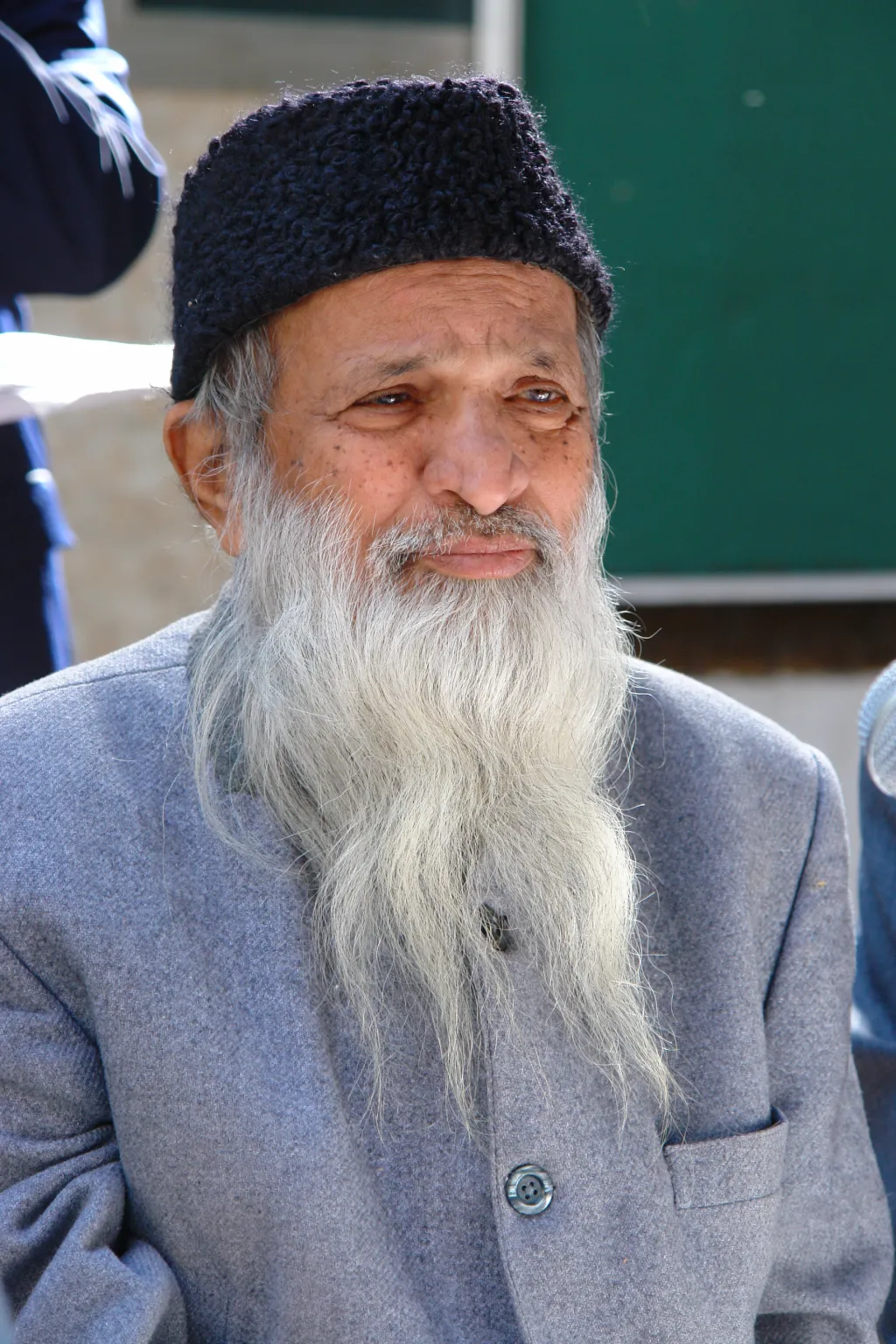
Abdul Sattar Edhi: Pakistan's Great Humanitarian
A refugee from Gujarat who opened a one-room dispensary in Karachi in 1951 and built the Edhi Foundation, ambulances, shelters, orphanages and morgues for anyone in need, funded entirely by ordinary Pakistanis.
- 1928–2016
- Founder of the Edhi Foundation
- Karachi
About Abdul Sattar Edhi
Abdul Sattar Edhi was born in 1928 in Bantva, Gujarat, into a Memon family and came to Karachi around Partition. In 1951, using his savings, he bought a small shop in the Mithadar neighbourhood and opened a dispensary that sold medicine cheaply to anyone who came.
From that beginning grew the Edhi Foundation, which became Pakistan's largest welfare organisation: ambulances, clinics and maternity homes, orphanages, shelters for women and the elderly, rehabilitation centres, soup kitchens and a free burial service for unclaimed bodies. The White House, on his death, described its fleet as the largest voluntary ambulance service in the world.
Edhi refused government funding, lived in the same simple way all his life and served people of every faith and ethnicity. He died in Karachi on 8 July 2016 and was given a state funeral.
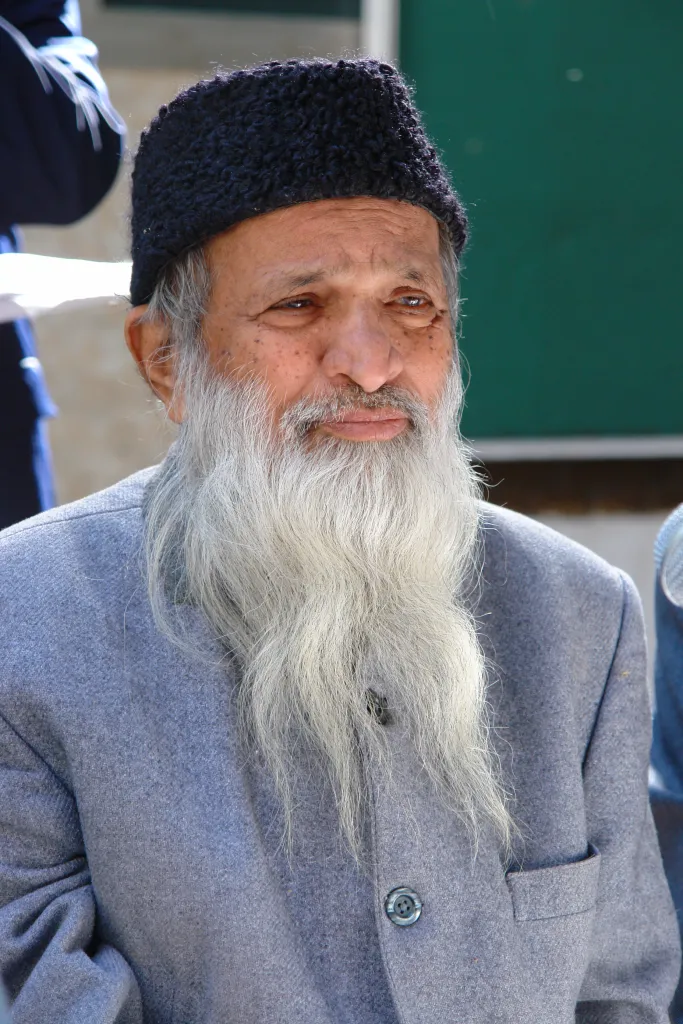
Life at a Glance
1928
Born in Bantva
Born in Bantva, Gujarat, British India; as a boy he helps a neighbourhood dispensary deliver medicines.
1947
To Karachi
Settles in Karachi around the time of Partition, according to Britannica.
1951
First dispensary
Opens a dispensary in a small shop in Mithadar, Karachi, open to all; Arab News dates the founding of the Edhi Foundation itself to 1951.
1957
Flu epidemic
Sets up treatment camps during the influenza epidemic, gaining his first official recognition; a donation buys his first ambulance, an old van.
1965
War relief and marriage
His volunteers rescue the injured and bury the dead in Karachi during the war; marries Bilquis, a nurse at his dispensary, who becomes his partner in the work.
1974
Edhi Foundation
Registers the Abdul Sattar Edhi Trust and founds the Edhi Foundation, expanding across Pakistan.
1986
Magsaysay Award
Receives the Ramon Magsaysay Award for Public Service.
2000
Balzan Prize
Awarded the Balzan Prize for Humanity, Peace and Fraternity among Peoples.
8 July 2016
Death
Dies in Karachi of kidney failure; state funeral prayers at the National Stadium and burial at Edhi Village.
A Life of Simplicity
Edhi's method was personal and frugal. According to the Balzan Foundation he lived simply, had no home outside the dispensary and refused government funding, relying on private donations. His services were open to everyone regardless of religion or ethnicity, and he spoke out against corruption among clerics and politicians. He asked to be buried in the simple clothes he wore, and donated his organs.
His wife Bilquis Edhi, a nurse at the dispensary whom he married in 1965, became his partner in the work and ran a free maternity home in Karachi.
Legacy
Edhi is regarded across Pakistan as a near-saintly figure. Hundreds of thousands attended his funeral, which was attended by the President and the army chief and carried with full state honours. He received the Ramon Magsaysay Award (1986), the Lenin Peace Prize (1988), the Nishan-e-Imtiaz (1989) and the Balzan Prize (2000), and in 2017 the State Bank of Pakistan issued a commemorative coin in his honour. The Edhi Foundation continues to operate across the country, and the sight of a white Edhi ambulance remains one of the most familiar images of Pakistani life.
Frequently Asked Questions
Who founded the Edhi Foundation?
Abdul Sattar Edhi, who began with a dispensary in Mithadar, Karachi, in 1951 and formally founded the Edhi Foundation in 1974.
When did Abdul Sattar Edhi die?
On 8 July 2016 in Karachi. He was given a state funeral, with prayers at the National Stadium, and buried at Edhi Village.
Did the Edhi Foundation take government money?
Edhi refused government funding; the foundation was funded by private donations, mostly from ordinary Pakistanis.
What awards did Edhi receive?
Among others, the Ramon Magsaysay Award (1986), the Lenin Peace Prize (1988), the Nishan-e-Imtiaz (1989) and the Balzan Prize (2000).
Keep Exploring
Related places and stories on DailyLife.pk
 KarachiKarachi travel guide: Mazar-e-Quaid, Mohatta Palace, Clifton, Burns Road, bazaars, neighbourhoods, Green Line BRT
 Healthcare in PakistanHealthcare in Pakistan: public and private hospitals, Sehat Card status by province, emergencies, DRAP and medicines
 Famous PakistanisNotable Pakistanis by field: Abdus Salam, Faiz, Manto, Bano Qudsia, Nusrat Fateh Ali Khan, Noor Jehan
How we know this
- Type Biography
- Sources 5 (1 official/academic)
- Reviewed October 2026
- Disputed points None
5 sources
- Abdul Sattar Edhi | Biography, Encyclopaedia Britannica
- Abdul Sattar Edhi – 2000 Balzan Prize for Humanity, Peace and Fraternity among Peoples, International Balzan Prize Foundation
- Edhi fought fear with hope, says White House, Dawn
- Abdul Sattar Edhi, Wikipedia (used to locate primary sources)
- Edhi: A great humanitarian, Arab News
Photo credits (1)
- Abdul Sattar Edhi.jpg, Hussain, CC BY-SA 3.0, via Wikimedia Commons
