
Travel planning
Permits, NOCs and Registration: What Foreign Visitors Need
A visa gets you into Pakistan; some areas need more. How NOCs, restricted zones, Gilgit-Baltistan registration, hotel check-in records and trekking permits work, and where to confirm the current rules.
- Visa first, permits second
- Carry your passport at all times
- Trekking permits: allow up to 2 months
- Rules change, confirm before you go
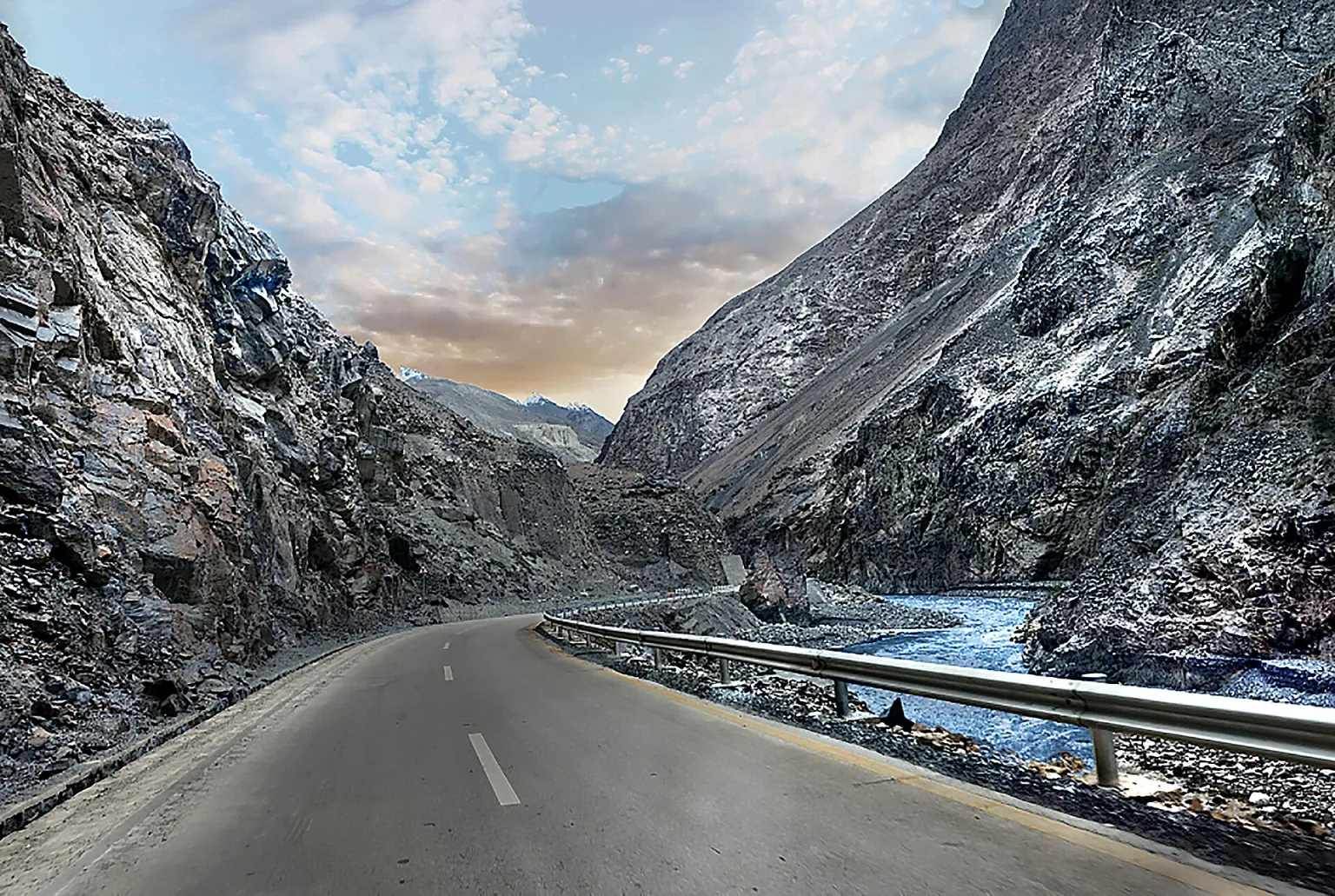
Karakoram Highway towards Khunjerab, Gilgit-Baltistan
Why permits still matter
For most visitors, the paperwork ends with the visa. Lahore, Islamabad, the Punjab heritage circuit and the main valleys of Gilgit-Baltistan can be visited on an ordinary tourist visa, and the federal government has spent much of the past decade trying to cut red tape for foreigners. But Pakistan still keeps a layer of security controls that tourists in many other countries never meet: prohibited belts near international borders and the Line of Control, districts where the authorities want advance notice, police registration in some regions, and permits for treks and climbs.
The rules have swung back and forth. In 2017 the Interior Ministry told the Gilgit-Baltistan government that foreigners should not visit without a Ministry No Objection Certificate (NOC), a move tour operators publicly opposed, according to a Pamir Times report of April 2017. In March 2019 the federal government announced that the NOC regime for foreign tourists was over and that Gilgit-Baltistan, Chitral and Pakistan-administered Kashmir were open without one, apart from signposted prohibited and restricted areas. Since then, provinces have added their own systems, such as Khyber Pakhtunkhwa's online NOC portal launched in 2025.
The practical upshot: check what applies to your route, at the time you travel, with the authority that runs that area. This guide explains the moving parts so you know which questions to ask. For visas themselves, see our visa and entry guide.
Which areas need extra permission?
A summary of what official and reported sources say. It is not exhaustive and can change at short notice.
| Area | What applies | Source |
|---|---|---|
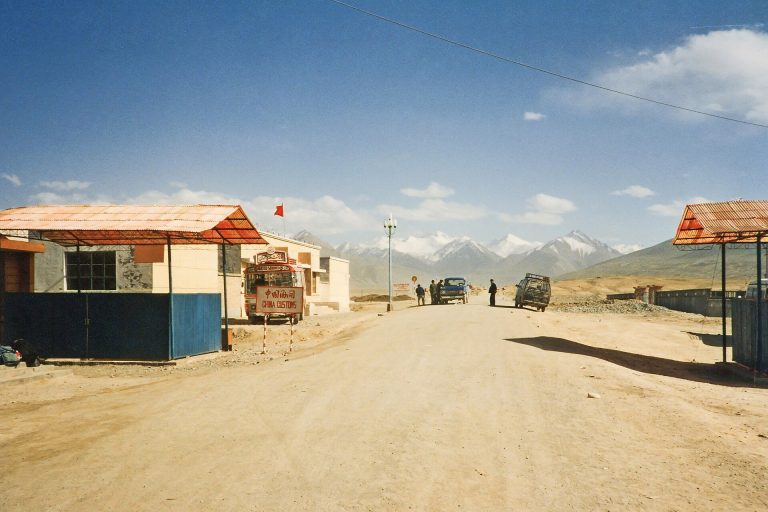
| Border belts | Prohibited zones announced in 2019: 10 miles along the Pakistan–China and Pakistan–Afghanistan borders, 5 miles along the Line of Control in Kashmir and Gilgit-Baltistan, 10 miles along the Line of Actual Contact at Siachen. The UK says foreigners are not allowed within certain distances of international borders except at official crossings. | Gulf News (March 2019); UK FCDO |
| Military and nuclear sites | Several areas around military installations, nuclear plants and naval and air bases are prohibited; officials may stop you and turn you back. | UK FCDO |
| Khyber Pakhtunkhwa | The UK says advance permission from local or federal authorities is needed. KP Tourism runs an online NOC system for foreign tourists covering areas such as Upper Dir, Chitral and Swat. | UK FCDO; APP (July 2025) |
| Balochistan | Advance permission needed, says the UK; the UK, US and Canada all advise against travel to the province. | UK FCDO |
| Azad Jammu and Kashmir | Advance permission is needed for several districts; the UK tells travellers to make sure they have the necessary permissions and advises against all but essential travel. | UK FCDO |
| Gilgit-Baltistan | Foreign nationals must register with local authorities. Treks and climbs in restricted areas need a permit from the GB Tourism Department. | UK FCDO; GB Tourism Department |
Sources accessed October 2026. Where an NOC is needed, the authorities will say so, sometimes it comes from the Ministry of Interior, and police escorts may be arranged in higher-risk areas (UK FCDO).
Registering in Gilgit-Baltistan
The UK government states plainly that all foreign nationals visiting Gilgit-Baltistan must register with the local authorities. In practice, registration happens at several levels:
- Checkposts: on the Karakoram Highway, the Babusar road and the Skardu road, police and other forces log foreign passports. Have photocopies of your passport photo page and visa ready to hand over; it saves time at every stop.
- Hotels: Gilgit-Baltistan Police say every hotel in the region is connected to the Hotel Eye system, which records the identity and personal details of each domestic or foreign guest and is linked to NADRA and police databases. Expect your passport to be copied at check-in.
- Help: GB Police list a Tourist Police helpline, 1422, alongside 15 (police) and 1122 (rescue).
If you travel with a licensed tour operator, they will normally handle registration and keep the authorities informed of your itinerary. Independent travellers should ask their first hotel in the region, or the police in Gilgit or Skardu, what is required for their onward route.
Hotel registration elsewhere
Hotel check-in records are routine across Pakistan. Punjab's Hotel Eye software, built by the Punjab Information Technology Board, logs guests' arrivals and departures in real time and was made mandatory for hotels in October 2016; in 2025 Punjab extended the requirement to guest houses. Carry your passport (not just a copy) when checking in, and expect smaller guest houses to ask whether they are allowed to host foreigners, some are not set up for it.
How to get an NOC or permission
- 1
Check your route against official advice
Read your government's travel advice for every district on your route. The UK FCDO's regional-risks page lists the areas it advises against, which also tells you where permission is most likely to be required.
- 2
Ask the authority that runs the area
For Khyber Pakhtunkhwa, use KP Tourism's online NOC system (available through its website and app, according to APP), which takes passport copies, visa details and an itinerary and lets you track the request. For Gilgit-Baltistan, contact the GB Tourism Department; for AJK, the AJK government's tourism or home department.
- 3
Use a licensed tour operator where you can
Operators apply for permits on your behalf, know which checkposts need what, and are mandatory for treks in restricted areas of Gilgit-Baltistan.
- 4
Carry paper copies
Keep several photocopies of your passport photo page, visa and any NOC. The UK says you may be detained until you can show valid ID, so carry the original passport too.
- 5
Be ready to change plans
Officials can refuse entry to an area or ask you to turn back. Build slack into your itinerary rather than relying on a single route.
Permits, insurance and photography
The UK warns that trekking without the correct permits may affect your travel insurance, and that travelling against FCDO advice can invalidate it. In restricted belts, the GB Tourism Department names 5 miles along the Line of Control, 10 miles along the Wakhan corridor, military installations and sensitive border areas, photography is prohibited. See our photography rules guide.
Plan the rest of your trip
 Visa and entryHow to apply on the official online visa system and what to check before you fly.
 Karakoram Highway guideThe route north through Besham, Chilas, Gilgit and Hunza to Khunjerab, with closures and advisories.
 Safety tips for travellersWhat the UK, US and Canadian advisories say, region by region.
Frequently Asked Questions
Do foreigners need an NOC to visit Hunza or Skardu?
Not as a general rule. In March 2019 the federal government announced that foreign tourists no longer needed an NOC for Gilgit-Baltistan, Chitral and Pakistan-administered Kashmir, outside signposted prohibited and restricted areas. You must still register with local authorities in Gilgit-Baltistan, according to the UK FCDO, and treks in restricted areas need a permit.
What is an NOC?
A No Objection Certificate, written permission from an authority, sometimes the federal Ministry of Interior, to travel to a particular area. The UK FCDO says local authorities will tell you whether one is needed for higher-risk areas.
How do I register in Gilgit-Baltistan?
Registration happens through checkposts, which log foreign passports, and through hotels, which record guests on the police-linked Hotel Eye system. Tour operators usually handle it for their clients. Carry passport and visa photocopies.
Can I get a KP NOC online?
Yes. In July 2025 the KP Tourism Department launched an online NOC system for foreign tourists, available via its website and a mobile app, according to APP. Check the department's official channels for the current process.
Do I need a permit to trek to K2 base camp or Fairy Meadows?
Treks in restricted areas need a GB Tourism Department permit, a licensed guide and porter, and insurance; national parks such as Central Karakoram also charge their own fees. Popular open treks may not need a restricted-area permit, but all treks must be registered with the department. Ask a licensed operator.
Can I visit areas near the Line of Control?
Foreigners are not allowed within set distances of the Line of Control and international borders, and the UK advises against all travel within 10 miles of the Line of Control. Kashmir is a disputed territory and conditions there can change quickly.
Keep Exploring
Related places and stories on DailyLife.pk
 Hunza ValleyPlan a Hunza Valley trip: Baltit and Altit forts, Attabad Lake, Passu Cones, Hussaini bridge
 Khunjerab PassKhunjerab Pass guide: the Karakoram Highway border crossing, Khunjerab National Park wildlife, season, altitude safety
 Fairy MeadowsFairy Meadows guide: the jeep track from Raikot Bridge, the hike from Tattu, Beyal Camp
 ChitralPlan a Chitral trip: Chitral Fort, Shahi Mosque, Tirich Mir views, Chitral Gol, Garam Chashma
 GilgitGilgit city guide: Kargah Buddha, bazaars, polo, 1947 history, Naltar and Rakaposhi day trips
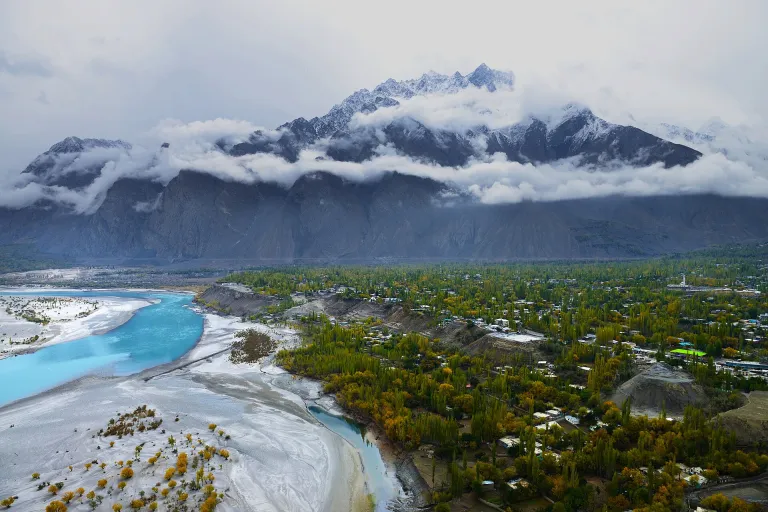 SkarduSkardu city guide: Kharpocho Fort, Manthal Buddha Rock, the Indus and Katpana dunes, Balti food
How we know this
- Type Practical guide
- Sources 10 (3 official/academic)
- Reviewed October 2026
- Disputed points None
Rules and fees change, confirm with the official links below before you act.
10 sources
- Pakistan travel advice: Safety and security, UK Foreign, Commonwealth & Development Office
- Pakistan travel advice: Regional risks, UK Foreign, Commonwealth & Development Office
- Frequently asked questions (permits, restricted areas, photography), Gilgit-Baltistan Tourism Department
- Pakistan lifts restrictions on visiting tourist sites for foreigners, Gulf News
- Interior ministry bars foreign tourists from visiting GB without NOC, Pamir Times
- Govt decides to abolish NOC requirement for foreigners, Dawn
- KP Tourism Department launches online NOC system for foreign tourists, Associated Press of Pakistan
- Hotel Eye, Gilgit-Baltistan Police
- Hotel Eye, Punjab Information Technology Board
- Punjab mandates Hotel Eye registration for guest houses, Associated Press of Pakistan
Photo credits (4)
- Khunjerab Pass Road - Karakoram Highway.jpg, Shaguftakarim, CC BY-SA 4.0, via Wikimedia Commons
- The beautiful Karakoram Highway.jpg, Saadzafar91, CC BY-SA 3.0, via Wikimedia Commons
- Pirali checkpost, Khunjerab Pass.jpg, Bernard Gagnon, CC BY-SA 4.0, via Wikimedia Commons
- K2 from Concordia.JPG, Aapkamajid, CC BY-SA 3.0, via Wikimedia Commons
